Tartar on dental crowns is more common than many people realize.
Tartar on Dental Crowns: Some believe crowns cannot develop buildup because they are artificial. That is not correct. Tartar forms from plaque, and plaque can stick to almost any surface in the mouth.
Understanding how tartar affects crowns helps you protect both your restoration and surrounding gums.
👉See How Dental Pro 7 supports long-term tartar prevention
Can Tartar Form on Dental Crowns?
Yes.
Plaque attaches to porcelain, ceramic, composite, and metal surfaces just like it does to natural enamel.
If plaque is not removed thoroughly, it hardens into tartar.
This buildup often develops:
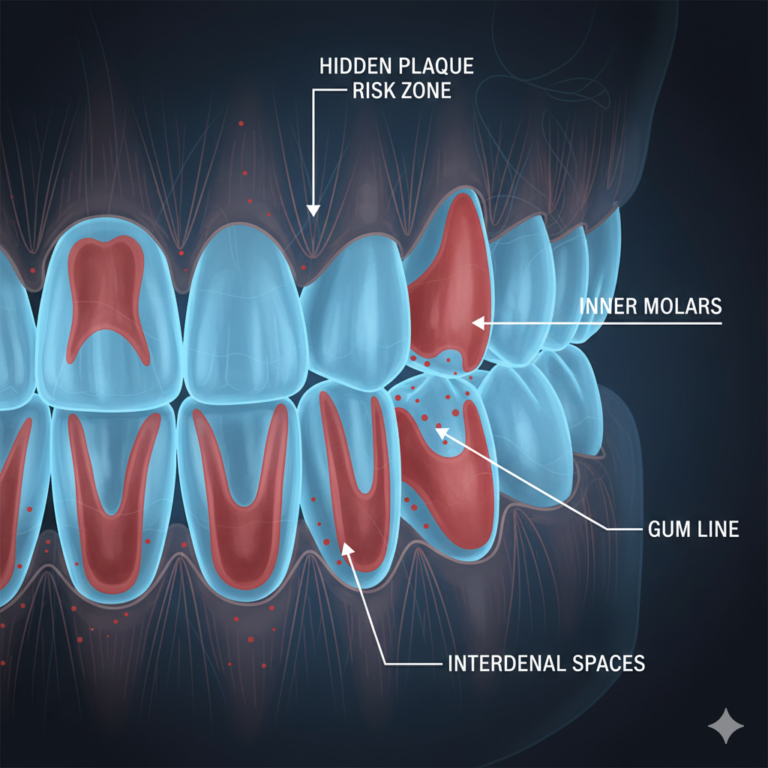
Along the gumline
Around crown margins
Between crowned teeth
On the backside of molar crowns
The material of the crown does not prevent plaque accumulation.
Why Crown Margins Are High-Risk Areas
The margin is where the crown meets the natural tooth.
This junction creates a tiny edge. Even when well-fitted, it can collect plaque if not cleaned carefully.
When plaque remains in this area, saliva minerals harden it into tartar.
Over time, buildup at the margin can irritate the gums and affect the underlying tooth structure.
💡 You can also explore similar dental health supplements and oral care products on Amazon.
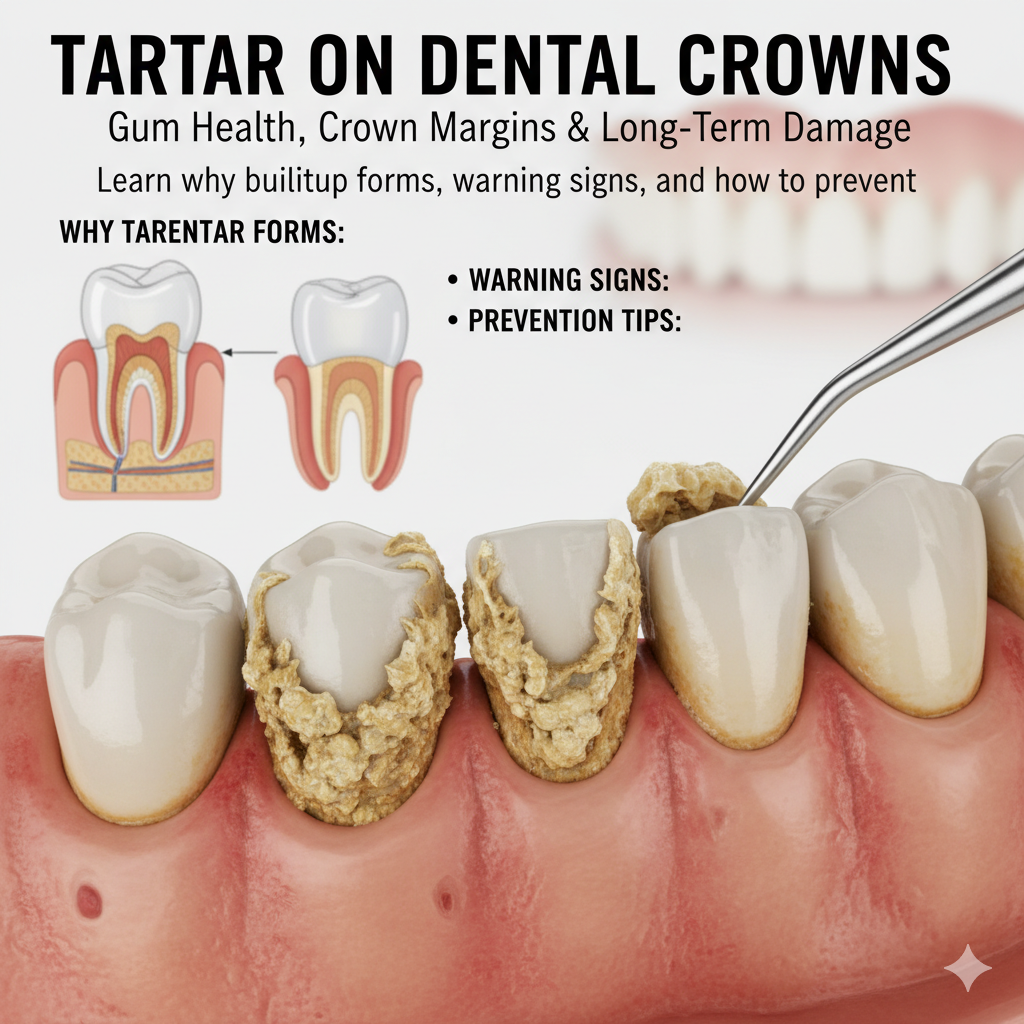
What Does Tartar on Dental Crowns Look Like?
It may appear as:
Yellow or brown deposits near the gumline
Dark lines at the crown edge
Rough texture felt with the tongue
Staining that does not brush away
Sometimes the crown itself looks clean, but tartar accumulates at the base.
Why Tartar Around Crowns Is a Concern
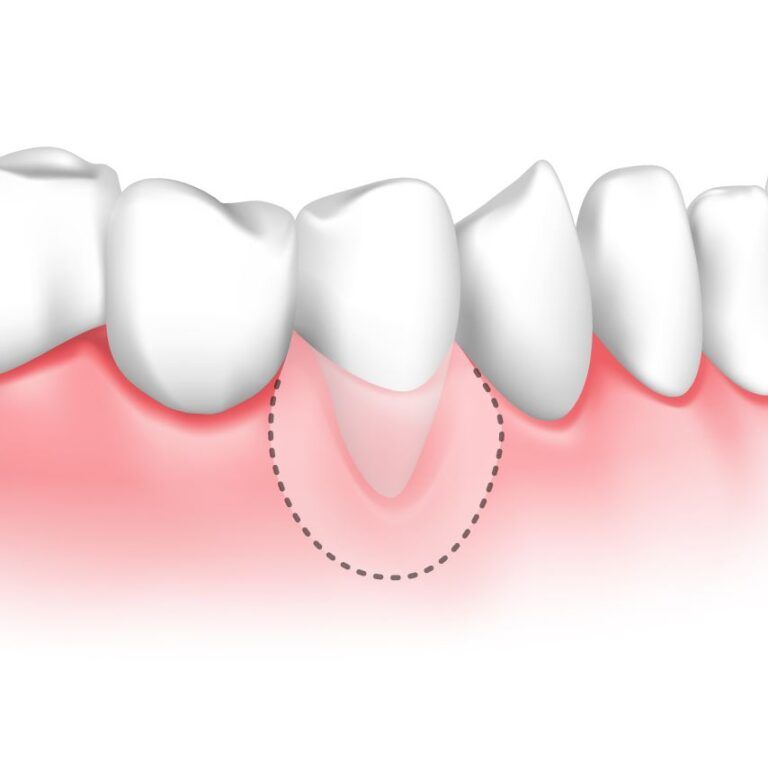
Although crowns cannot decay, the natural tooth underneath still can.
Tartar on dental crowns may lead to:
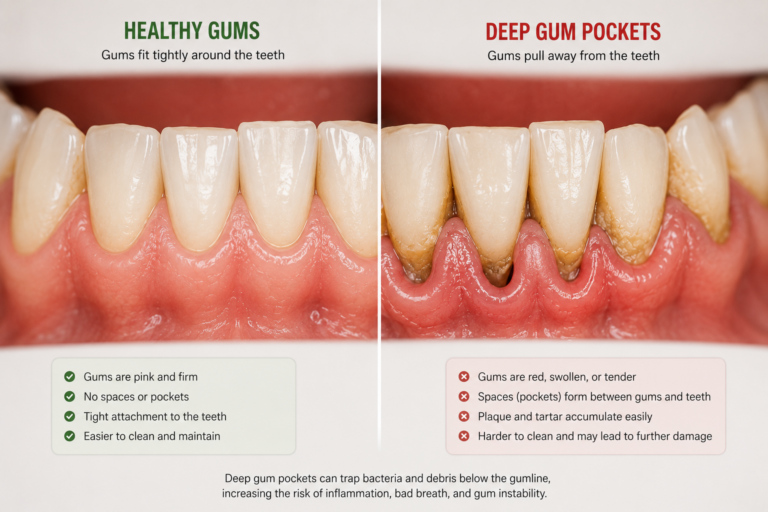
Gum inflammation
Bleeding during brushing
Gum recession
Decay at crown margins
Shortened lifespan of the restoration
Healthy gum tissue is essential for keeping crowns stable long term.
Ignoring buildup increases the risk of complications.
How Fast Can It Develop?
Plaque forms daily.
If not removed, it can begin hardening within 24 to 72 hours.
Because crown margins are sometimes harder to clean, plaque may remain longer in this area.
This increases the chance of mineralization and tartar formation.
Can You Remove Tartar from Crowns at Home?
No.
Once tartar forms, it adheres tightly to the surface.
Scraping at home can scratch porcelain or composite materials. Surface damage makes it easier for future plaque to stick.
Only professional scaling tools are safe and effective for removal.
How Dentists Remove Tartar from Dental Crowns
Dental professionals use specialized instruments designed for restorations.
They avoid scratching crown materials.
Ultrasonic scalers may be used carefully to loosen hardened deposits.
After cleaning:
The surface becomes smooth
Gums experience less irritation
The crown margin remains intact
Routine cleanings help extend the life of dental restorations.
How to Prevent Tartar on Dental Crowns
Prevention focuses on daily plaque control.
1. Brush Gently Around Margins
Angle the toothbrush toward the gumline.
2. Floss Carefully
Clean between crowned teeth daily.
3. Use Non-Abrasive Toothpaste
Harsh pastes can damage crown surfaces.
4. Consider Interdental Brushes
These help clean tight areas.
5. Maintain Regular Dental Checkups
Professional cleanings prevent heavy buildup.
Consistency is more important than brushing force.
Common Mistakes to Avoid
Assuming crowns do not require flossing
Brushing too aggressively
Ignoring mild gum bleeding
Skipping dental visits
Crowns require the same level of care as natural teeth.
When Should You See a Dentist?
Schedule an appointment if you notice:
Bleeding near a crowned tooth
Dark buildup at the edge
Persistent bad breath
Gum swelling around the crown
Early intervention prevents deeper complications.
Long-Term Outlook – Tartar on Dental Crowns:
With proper hygiene, crowns can last many years.
Preventing tartar on dental crowns protects both the restoration and the supporting tooth structure.
Regular professional maintenance plays a key role in long-term success.
👉See How Dental Pro 7 supports long-term tartar prevention
FAQ – Tartar on Dental Crowns:
1. Can tartar damage a dental crown?
Tartar does not damage the crown material directly. However, it can irritate gums and lead to decay at the crown margin, which may affect the tooth underneath.
2. Why does tartar form around crown edges?
The margin where the crown meets the natural tooth can trap plaque. If not cleaned thoroughly, it hardens into tartar over time.
3. Is cleaning tartar off crowns painful?
Professional scaling is usually comfortable. Mild sensitivity may occur if the gums are inflamed, but it typically resolves quickly.
4. How often should crowns be professionally cleaned?
Most people benefit from cleanings every six months. Your dentist may recommend more frequent visits if buildup forms quickly.