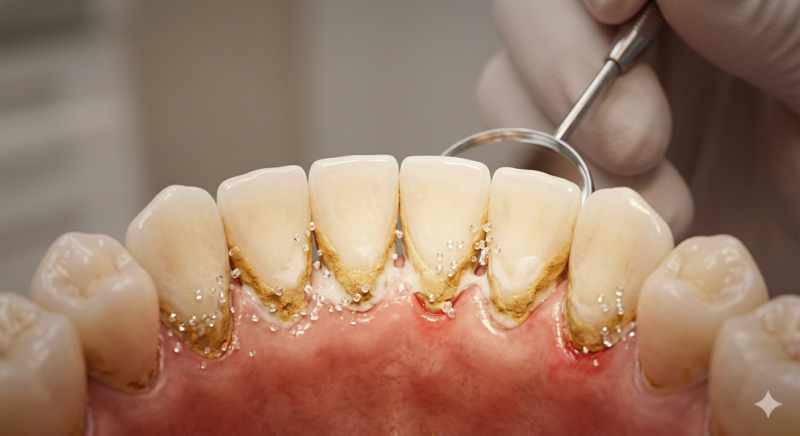
Does Sugar Cause Tartar Buildup on Teeth?: Sugar is widely known for causing cavities.
But does sugar cause tartar buildup as well?
While sugar does not directly harden into tartar, it plays a major role in accelerating plaque formation, which later mineralizes into tartar.
Understanding this connection helps improve dietary habits and oral hygiene.
How Sugar Feeds Oral Bacteria
The mouth contains natural bacteria.
When you consume sugar, bacteria metabolize it and produce acids.
These acids:
Lower oral pH
Weaken enamel
Increase bacterial growth
More bacteria mean more plaque.
Plaque as the Precursor to Tartar
Plaque forms continuously.
If plaque is not removed within 24–72 hours, minerals in saliva harden it.
Frequent sugar consumption increases plaque volume.
More plaque equals greater risk of tartar.
Frequency Matters More Than Quantity
Snacking frequently on sugary foods creates repeated acid attacks.
Even small amounts consumed often can:
Prolong bacterial activity
Delay pH recovery
Increase plaque accumulation
Continuous exposure raises tartar risk.
Hidden Sources of Sugar
Common hidden sugars include:
Flavored drinks
Processed snacks
Sweetened coffee
Sports beverages
Reducing intake lowers bacterial fuel supply.
Sugar and Gum Health
Increased plaque due to sugar leads to:
Gum inflammation
Bleeding
Pocket formation
Tartar formation worsens these effects.
Preventive Strategies
Effective approaches include:
Limiting sugary snacks
Drinking water after sweets
Brushing twice daily
Daily flossing
Professional cleaning every six months
Diet and hygiene work together.
 Discover how Dental Pro 7 supports cleaner tooth surfaces
If you consume sugary foods frequently and notice buildup, schedule a professional cleaning. A dentist can assess tartar levels and guide dietary adjustments.
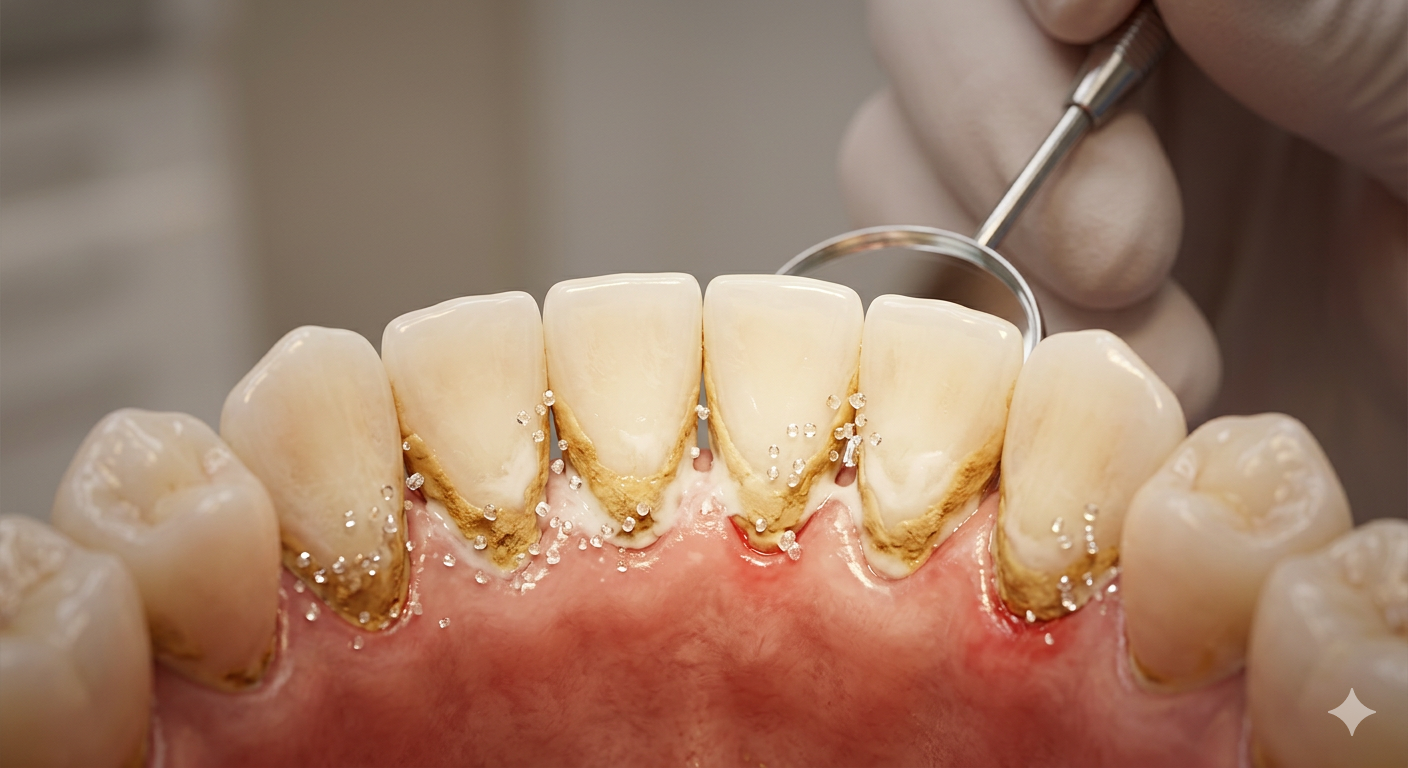
While sugar is most famously known for causing cavities, its role in tartar (calculus) formation is equally critical, though indirect. Sugar doesn’t “turn into” tartar; instead, it acts as a high-energy fuel for the oral bacteria that create plaque, the precursor to tartar.
When you consume sugary foods or drinks, bacteria like Streptococcus mutans metabolize the sugar, producing lactic acid and a sticky biofilm known as plaque. This plaque adheres firmly to your teeth, especially in hard-to-reach areas. If this soft, sticky film is not removed through brushing and flossing within 24 to 72 hours, it undergoes a mineralization process.
During this time, minerals from your saliva—specifically calcium and phosphate—begin to settle into the plaque matrix. This chemical reaction hardens the soft plaque into a cement-like substance called tartar. Once tartar has formed, it provides a rough surface that traps even more bacteria and plaque, creating a “vicious cycle” of buildup that can only be removed by a dental professional.
The risk of tartar buildup increases with the frequency of sugar intake. Frequent snacking keeps the mouth in a constant acidic state, which can accelerate the mineralization process. Additionally, sticky sweets like caramels or gummy candies are particularly problematic because they cling to tooth surfaces longer, providing a persistent reservoir of fuel for bacteria.
FAQ
1. Does sugar directly turn into tartar?
No, but it increases plaque that later hardens.
2. Are natural sugars safer?
All sugars can feed oral bacteria.
3. How soon after sugar should I brush?
Wait about 30 minutes if acidic foods were consumed.