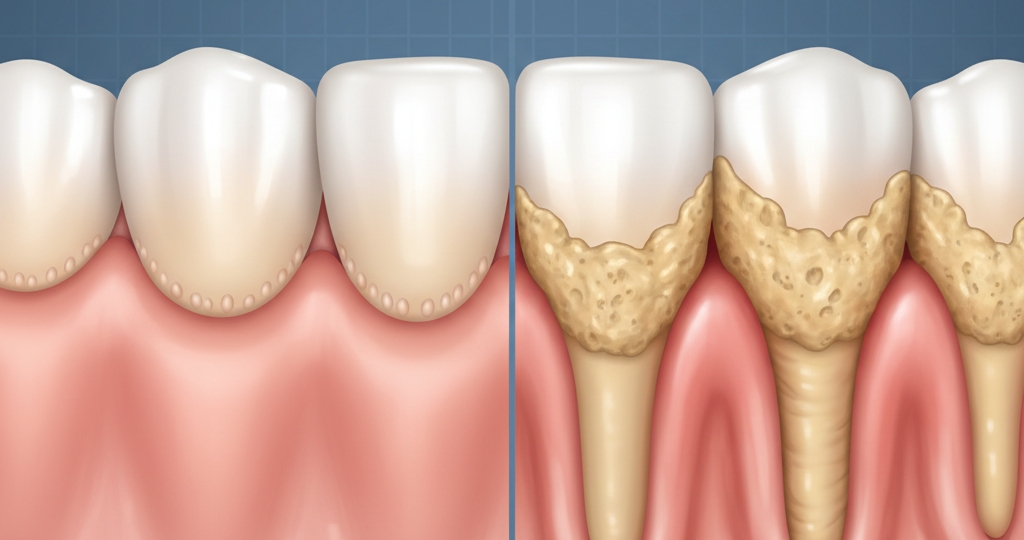
Prevent tartar buildup is easier than removing it later. Many people focus on treatment after deposits appear. However, long term tartar control depends on stopping plaque before it hardens.
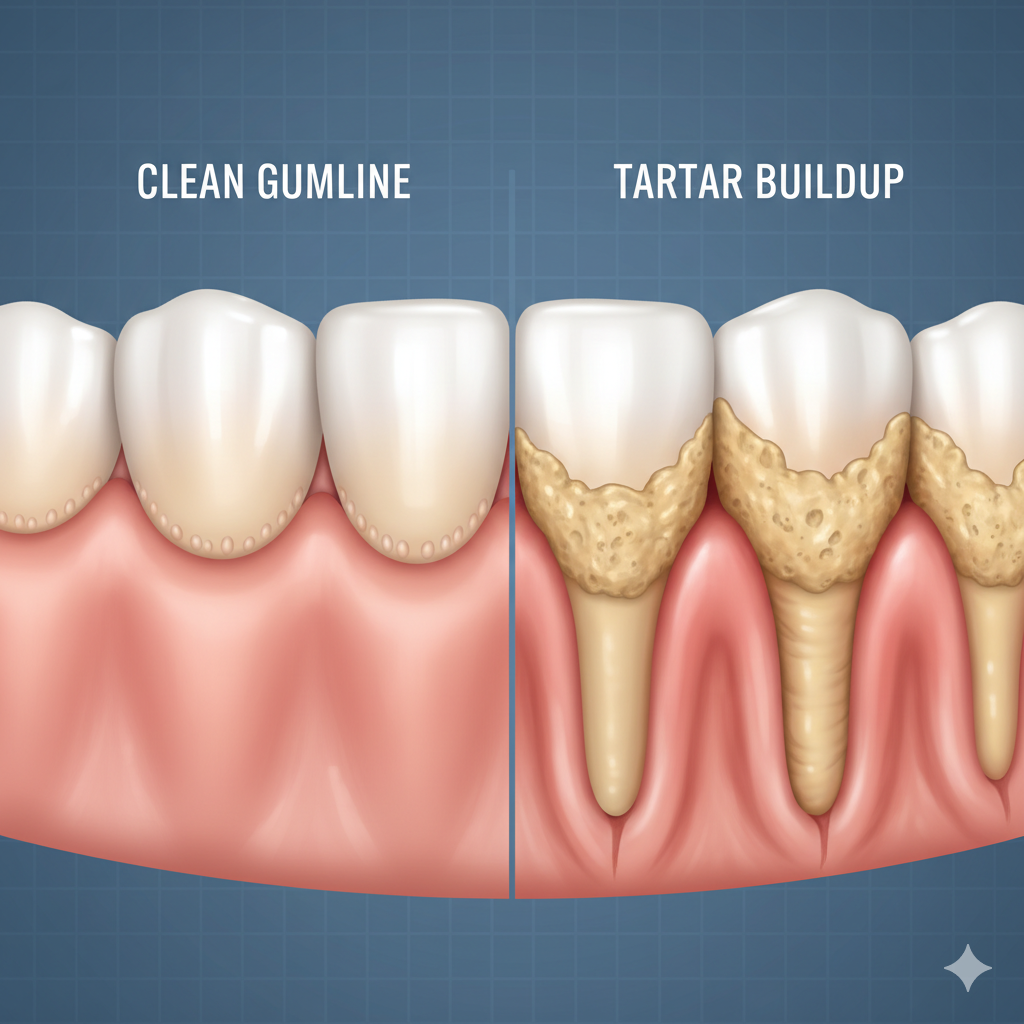
Tartar forms when plaque remains undisturbed for several days. Minerals in saliva lock into the sticky film. Then the layer turns hard and rough. Once that happens, brushing alone cannot remove it.
Therefore, prevent tartar buildup by breaking plaque daily. In this guide, you will learn practical tartar prevention tips that support long term oral health.
Why Long Term Tartar Control Matters
Tartar does more than stain teeth. It creates a rough surface that traps bacteria. As a result, gum irritation increases.
If tartar stays:
gums may bleed
inflammation may persist
pockets can form
bad breath becomes chronic
Long term tartar control protects both teeth and gums. Prevention also reduces the need for deep professional cleaning.
Consistency is more powerful than intensity.
👉 Explore how Dental Pro 7 supports preventive gum care
Step 1: Disrupt Plaque Every Day
Stop tartar formation by focusing on daily plaque disruption. Plaque forms within hours after brushing. Therefore daily cleaning is essential.
Brush at least twice per day. Spend a full two minutes each session. Move slowly and cover every surface.
Do not rush. Speed leaves film behind.
Step 2: Focus on the Gumline
Most tartar begins near the gumline. This narrow area often receives less attention.
Angle your brush about 45 degrees toward the gum edge. Use small circular motions. Clean both outer and inner surfaces carefully.
Meanwhile, check behind lower front teeth. This area collects minerals quickly.
Targeted gumline care reduces future buildup significantly.
Step 3: Clean Between Teeth Daily
Plaque hides between teeth where brushes cannot reach. If left there, it hardens quietly.
Floss once per day. Slide floss gently under the gum margin. Curve it around each tooth. Move slowly to remove hidden film.
If gaps are wider, interdental brushes may work better.
Daily interdental cleaning is one of the strongest tartar prevention tips.
Step 4: Control Snacking Frequency
Frequent snacking feeds bacteria repeatedly. Each snack triggers acid production. Meanwhile plaque thickens faster.
Try to limit snacks between meals. Drink water after eating. Water helps rinse debris and dilute acids.
Fewer eating cycles reduce plaque growth.
Step 5: Maintain Professional Cleanings
Even with strong home care, some buildup may occur. Regular dental cleanings remove early deposits before they become severe.
Most people benefit from professional cleaning every six months. However, those with heavy buildup may need shorter intervals.
Routine maintenance supports long term tartar control.
Step 6: Avoid Aggressive Scrubbing
Many people try to prevent tartar by brushing harder. However, force does not remove hardened deposits. It can damage enamel and irritate gums.
Instead:
use gentle pressure
focus on angle
move slowly
repeat small circles
Technique matters more than strength.
Step 7: Support Daily Precision Cleaning
Some areas are difficult to reach with standard brushing. Grooves, tight corners, and inner lower teeth often collect plaque.
Precision plaque disruption tools can improve coverage in these zones. As a result, plaque is less likely to remain long enough to harden.
Better access improves prevention.
Signs Your Prevention Routine Is Working
You can measure success by observing changes.
Healthy signs include:
smooth tooth surfaces
pink firm gums
minimal bleeding
fresh breath
less visible buildup
If teeth feel consistently smooth after brushing, plaque disruption is effective.
However, if roughness returns quickly, adjust technique.
Common Mistakes That Lead to Tartar Return
Even small habits can restart buildup.
Avoid:
skipping night brushing
brushing under one minute
ignoring inner lower teeth
stopping floss when gums bleed
waiting too long between dental visits
Small lapses compound over time.
Stable routines prevent recurrence.
The Long Term Strategy
Prevent tartar buildup long term by combining three elements:
Daily plaque disruption
Gumline and interdental focus
Regular professional monitoring
This simple structure works because it addresses plaque before mineral hardening begins.
You do not need extreme products. You need consistent technique.
Daily effort prevents chronic problems.
Build a Long Term Prevention Routine
Long term tartar control starts with consistent plaque disruption.
Precision daily cleaning helps stop buildup before it hardens near the gumline.
👉 Explore how Dental Pro 7 supports preventive gum care
FAQ
How long does it take for tartar to form?
Plaque can begin hardening within several days if not removed.
Can I prevent tartar completely?
You can greatly reduce it with consistent daily cleaning and regular checkups.
Is flossing really necessary for tartar prevention?
Yes. Plaque between teeth can harden if not removed daily.
Does mouthwash prevent tartar?
Mouthwash supports bacterial control but cannot replace mechanical cleaning
RELATED POSTS
View all


Mentha Arensis Herbal Extract: Natural Cooling Support for Oral Care Review
January 24, 2026 | by Ingredients