
Nigella Sativa: 7 Black Seed Benefits for Oral Health & Wellness
Nigella sativa: Last Updated – October 27, 2026 | Min Read: 7 minutes
Introduction
Nigella sativa, commonly known as black seed or black cumin, is a flowering plant with a long history of traditional use. Its seeds contain several bio-active compounds, including thymoquinone, which researchers continue to study.
Interest in black seed has grown because of its potential antioxidant, antimicrobial, and anti-inflammatory properties. However, laboratory findings do not always translate into proven benefits for people.
This article explores Nigella sativa, its potential health applications, safety considerations, and possible relevance to oral care.
What Is Nigella Sativa?
Nigella sativa belongs to the Ranunculaceae family. The plant produces small black seeds used as a culinary spice and in traditional wellness practices.
Black seed is also called black cumin, although common names can vary by region. Its seeds contain fixed oils and other compounds that contribute to its biological activity.
One compound of particular scientific interest is thymoquinone. Researchers have investigated its antioxidant and other biological properties in laboratory and clinical settings. Further research is needed to establish which benefits are reliable and how they apply to specific products.
Explore Dental Pro 7 and Its Ingredients
If you are researching botanical ingredients for everyday oral care, learning about a product’s formulation is an important first step.
Dental Pro 7 is an oral care product that readers may wish to investigate alongside established hygiene practices. Review its ingredient information and directions before deciding whether it suits your routine.
Learn more about the Dental Pro 7 ingredients and formulation. This guide provides additional product information for readers researching Dental Pro 7 in New Zealand.
Dental Pro 7 should be considered a potential complement to routine oral hygiene, not a proven treatment for gum disease, tooth sensitivity, or hardened tartar.
Potential Benefits of Black Seed
Research into Nigella sativa has examined several biological effects. The strength of evidence varies by preparation, dose, and study design.
1. Antioxidant Properties
Nigella sativa contains compounds that researchers have studied for antioxidant activity. Antioxidants can interact with oxidative processes in experimental settings.
Thymoquinone is one of the most frequently investigated compounds. However, its laboratory activity does not establish that consuming black seed prevents or treats a particular disease.
2. Antimicrobial Activity
Laboratory research suggests that some Nigella sativa preparations may affect certain microorganisms. These findings have attracted interest in different areas of health research.
The effects depend on the extract, concentration, and microorganism being studied. More clinical evidence is needed to determine whether these effects provide meaningful benefits in everyday use.
3. Potential Relevance to Oral Health
Researchers have investigated Nigella sativa and thymoquinone in relation to oral health. Some studies have explored their use in preparations designed for gum care.
However, the available evidence remains limited. A botanical ingredient’s laboratory activity does not prove that it prevents gum disease, removes plaque, or eliminates tartar.
For a practical foundation, follow established oral hygiene recommendations. Brush twice daily with fluoride toothpaste, clean between your teeth daily, and arrange regular dental checkups.
4. Interest in Immune Health
Nigella sativa has a long history of traditional use for general wellness. Researchers have examined its compounds in relation to immune activity and inflammation.
Current evidence does not establish that black seed reliably strengthens the immune system or prevents infections. Its effects may vary according to the preparation and individual circumstances.
People considering black seed supplements should review the available safety information and seek professional advice when appropriate.
🌿 Discover the Power of Nigella Sativa
Many people now prefer plant-based wellness solutions that include ingredients like Nigella Sativa to support oral comfort and immune balance naturally.
Nigella Sativa and Tooth Sensitivity: What Should You Know?
Tooth sensitivity can cause discomfort when eating or drinking something hot, cold, sweet, or acidic. Several conditions may contribute, including enamel wear, exposed dentin, gum recession, cavities, and dental damage.
Nigella sativa has attracted research interest in oral health. However, evidence is insufficient to recommend black seed as a proven treatment for tooth sensitivity.
Readers experiencing sensitivity alongside plaque or tartar buildup can learn more in our guide to tartar buildup and tooth sensitivity. Understanding possible causes can help readers recognize when professional dental assessment is appropriate.
Daily oral hygiene helps control plaque and supports gum health. Hardened tartar requires professional removal by a dentist or dental hygienist.
How Nigella Sativa Fits into a Botanical Oral Care Routine
Botanical ingredients are often included in oral care formulations. Their suitability depends on the formulation, concentration, directions for use, and supporting safety evidence.
Nigella sativa is one example of a plant that has attracted scientific interest. Other botanical ingredients have also been discussed in relation to oral care, but each ingredient requires its own evidence assessment.
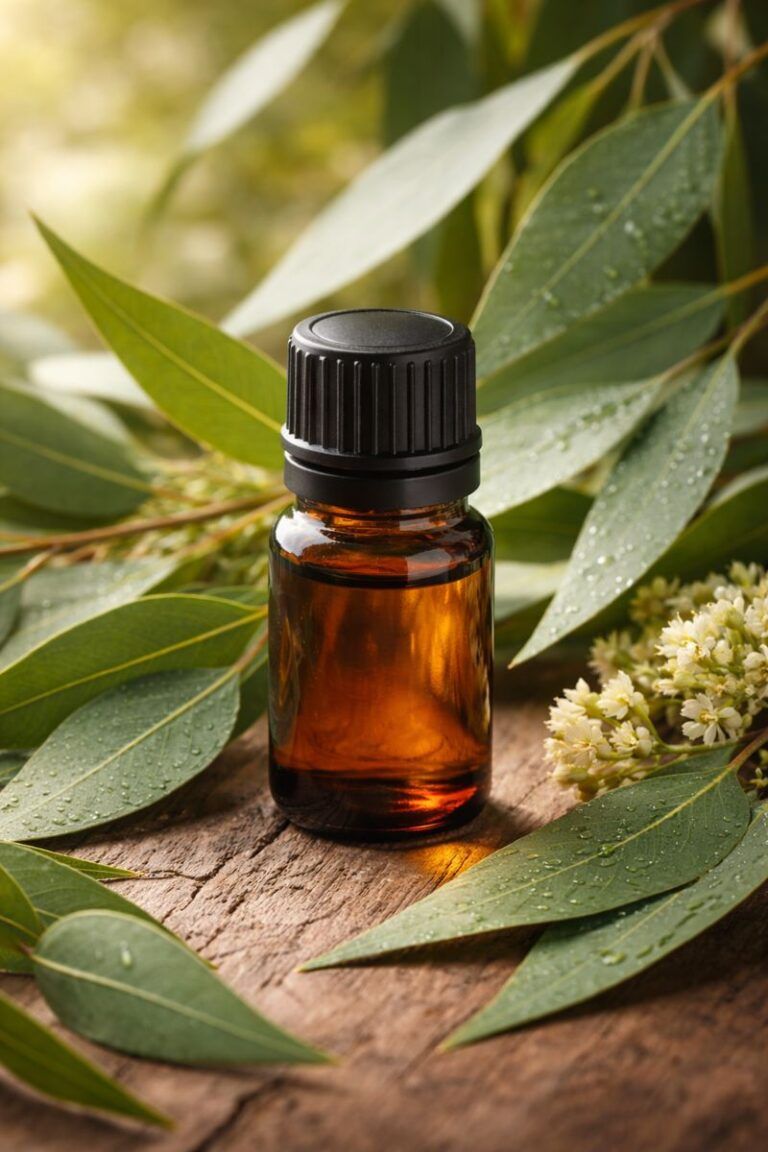
For readers interested in another botanical ingredient, Eucalyptus radiata essential oil offers additional information about its properties and safety considerations. Essential oils should be used only in products intended for the relevant application and according to their directions.
A product’s ingredient list alone cannot establish clinical effectiveness. Consider the evidence for the finished formulation, follow the label, and discontinue use if irritation occurs.
Black Seed Safety and Precautions
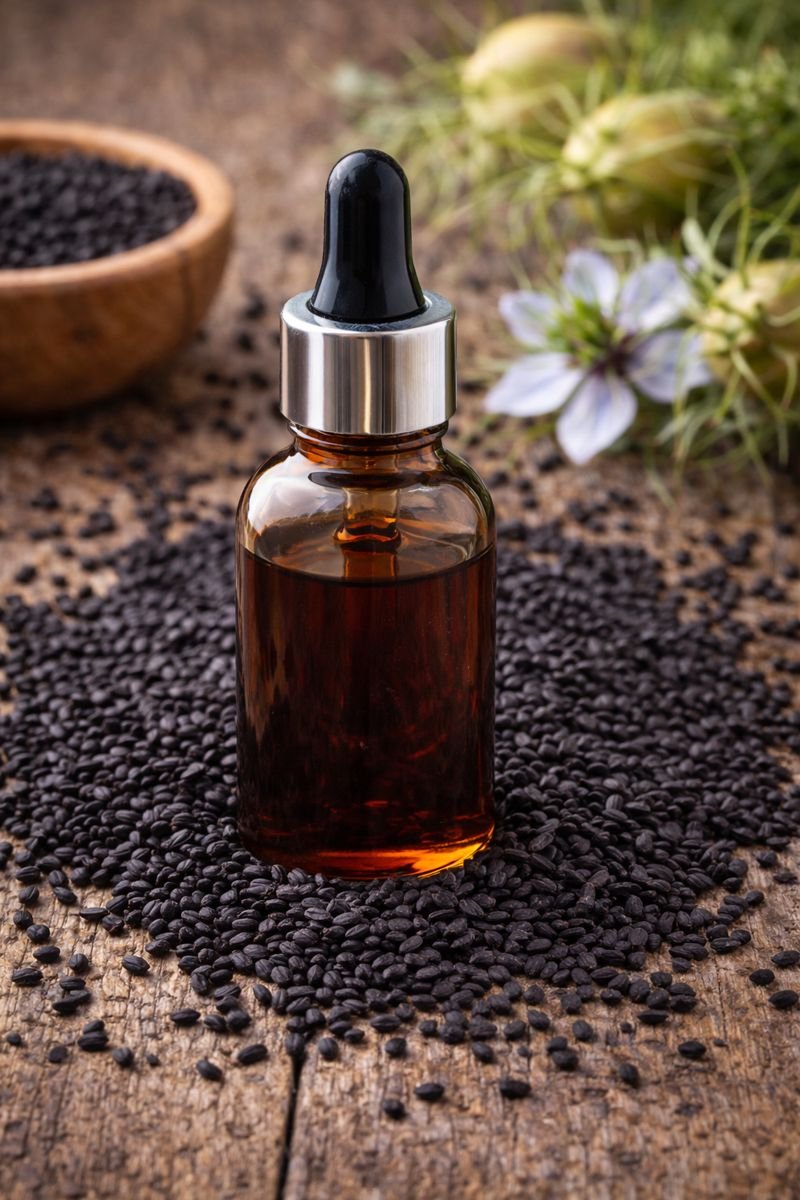
Black seed is commonly used as a food ingredient. Its safety can differ when it is consumed as a concentrated oil, extract, or supplement.
Research has reported possible adverse effects and interactions with certain medicines. Allergic skin reactions have also been documented with some black seed preparations.
Consider these precautions:
- Follow the directions for the specific product.
- Avoid assuming that concentrated oils are suitable for direct use in the mouth.
- Ask a healthcare professional about possible interactions if you take medication.
- Seek professional advice before using concentrated supplements during pregnancy or breastfeeding.
- Stop using a product if you develop irritation or an allergic reaction.
A product’s natural origin does not automatically make every preparation safe for every person.
Dental Pro 7 Ingredient Information for Different Markets
Readers researching oral care products may need information relevant to their location. Product details, availability, and labeling can differ between markets.
Our Dental Pro 7 Ingredients Canada guide provides additional information for readers exploring the product in Canada. Review the relevant product details and instructions before making a purchasing decision.
These resources are intended to support informed product research. They do not replace independent evidence about a product’s safety or effectiveness.
Tartar Buildup After Braces: Why Oral Hygiene Matters
Orthodontic appliances can make brushing and cleaning between teeth more challenging. Plaque may accumulate around brackets and along the gum-line when these areas are difficult to reach.
After braces are removed, some people notice deposits, discoloration, or rough areas on their teeth. These changes can have different causes and may require a dental examination.
Our guide to tartar buildup after braces removal explains why professional assessment and consistent oral hygiene matter after orthodontic treatment.
Brushing and inter-dental cleaning help control plaque. Established tartar needs professional cleaning rather than home scraping or reliance on botanical products.
Frequently Asked Questions
What is Nigella sativa used for?
Nigella sativa is used as a culinary ingredient and has a history of traditional use in wellness practices. Researchers continue to investigate its compounds and potential biological effects.
Does black seed improve oral health?
Some studies have explored black seed preparations in oral health settings. However, the available evidence remains limited, and black seed should not replace established oral hygiene or professional dental treatment.
Can Nigella sativa remove plaque or tartar?
There is insufficient evidence to conclude that Nigella sativa removes plaque effectively in everyday use or eliminates hardened tartar. Brushing and inter-dental cleaning help control plaque, while a dental professional removes established tartar.
Is black seed safe for daily use?
Safety depends on the preparation, amount, duration, and individual health circumstances. Food use differs from concentrated oils and supplements. Consult a healthcare professional if you have concerns about interactions or side effects.
Can I apply black seed oil directly to my gums?
Do not assume that pure black seed oil is suitable for direct application to oral tissues. Use only products intended for oral use and follow their instructions. Seek dental advice if you have gum irritation or persistent discomfort.
Does Dental Pro 7 treat gum disease?
This article does not establish that Dental Pro 7 treats gum disease or removes tartar. Readers should review the product information and rely on qualified dental professionals for diagnosis and treatment.
Conclusion
Nigella sativa, or black seed, is a traditional botanical ingredient that continues to attract scientific interest. Researchers have examined its compounds for antioxidant, antimicrobial, and other biological properties.
However, promising laboratory findings do not establish proven benefits for every health application. More clinical evidence is needed to clarify its role in oral health and general wellness.
For healthier teeth and gums, prioritize brushing with fluoride toothpaste, daily inter-dental cleaning, and regular dental visits. Botanical oral care products may be considered according to their instructions and available evidence, but they should not replace established dental care.
References
- American Dental Association (ADA): Dental Floss and Inter-dental Cleaners
- American Dental Association (ADA): Periodontists
- PubMed: Nigella sativa and its active constituent thymoquinone in oral health
- PubMed Central: Nigella sativa safety: An overview
- UAE Ministry of Health and Prevention, Medicinal Plants: Nigella sativa
About the Author
The Dental Pro 7 Ingredients Editorial Team publishes educational content about botanical ingredients, oral hygiene, and preventive dental care. Our goal is to help readers understand ingredient information and make informed decisions.
Disclaimer: This article is for educational purposes only. It does not provide medical or dental advice and does not establish that Nigella sativa or Dental Pro 7 can treat disease. Consult a qualified healthcare professional for personalized advice. The publisher may receive compensation from qualifying purchases made through affiliate links.
🌿 Discover the Power of Nigella Sativa
Many people now prefer plant-based wellness solutions that include ingredients like Nigella Sativa to support oral comfort and immune balance naturally.

One Comment