Tartar vs Plaque: The Differences You Really Need to Understand
Tartar vs Plaque Differences: Last Updated: July, 2026 • ⏱️ 11 min read
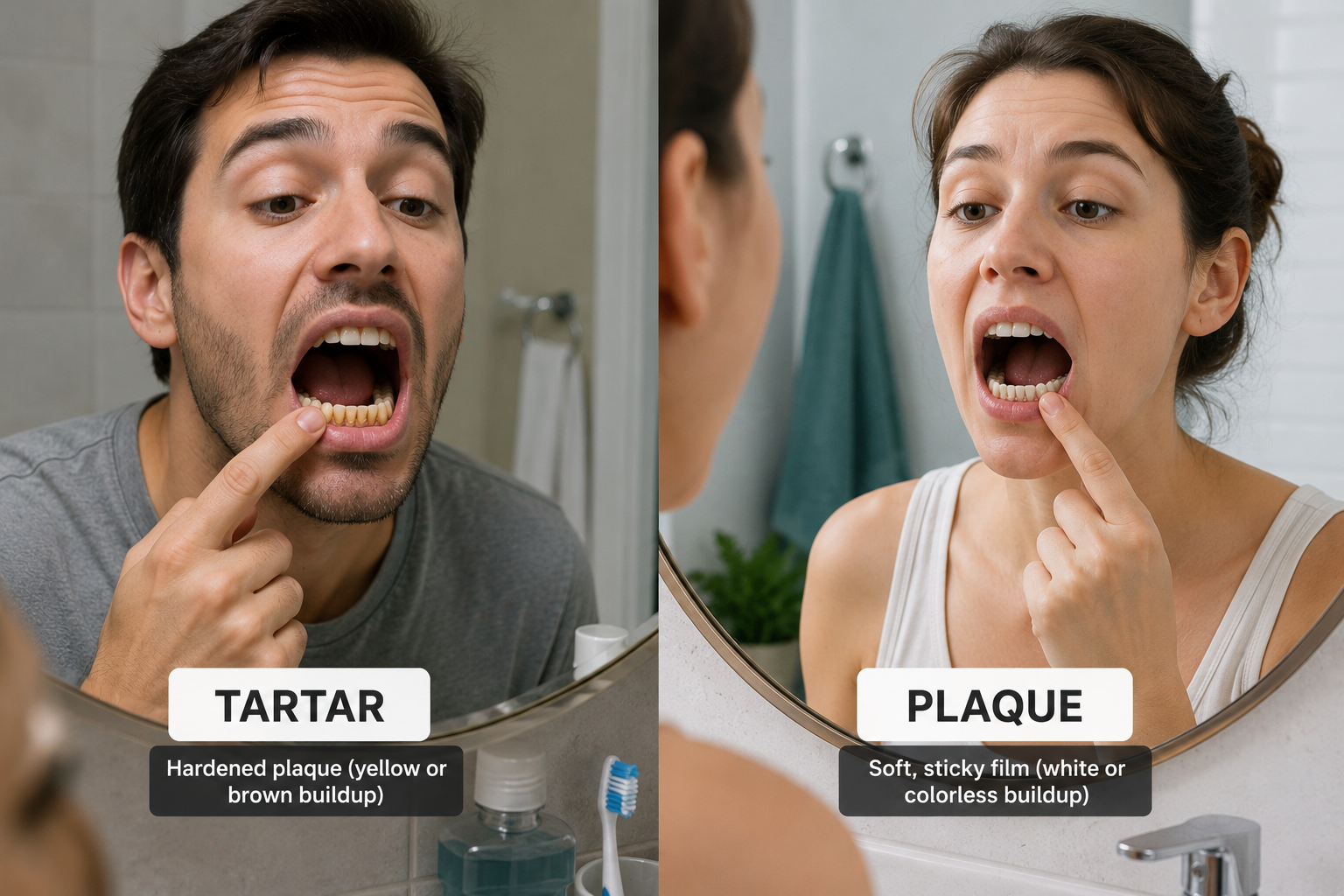
Many people assume plaque and tartar are the same thing because both appear as buildup on the teeth. In reality, they are different conditions that require different approaches to prevention and treatment.
| Plaque | Tartar |
|---|---|
| Soft bacterial biofilm | Hardened mineralized plaque |
| Can usually be removed by brushing | Usually requires professional cleaning |
| Forms every day | Develops when plaque is left untreated |
| Preventable with daily oral hygiene | Often requires scaling by a dental professional |
Even in casual conversations, someone might say, “I think I have tartar on my teeth,” when what they actually mean is the soft film that develops after eating or waking up in the morning.
But plaque and tartar are not the same thing.
Understanding the difference matters because one is relatively easy to remove at home, while the other usually requires professional cleaning. Many oral health problems begin when plaque is ignored long enough to harden into tartar.
Dentists see this progression every day. What starts as a soft bacterial film can slowly turn into stubborn buildup around the gums, especially in places people rarely clean thoroughly.
The confusing part is that both can exist at the same time.
This article explains how plaque and tartar differ, why they form, what they actually look like in real life, and what habits genuinely help reduce buildup over time.
What Is Plaque?
Plaque is a soft, sticky film that constantly forms on your teeth.
It develops when oral bacteria mix with food particles, sugars, and saliva proteins throughout the day. After meals, especially those high in carbohydrates or sugar, bacteria feed on leftover particles and create acids and biofilm on the tooth surface.
This process happens naturally in everyone.
If you run your tongue across your teeth late at night or early in the morning before brushing, that fuzzy or slippery feeling is often plaque buildup.
Why Plaque Forms So Easily
The mouth is naturally warm and moist, which makes it an ideal environment for bacteria.
Certain habits tend to increase plaque accumulation faster, including:
- Frequent snacking
- Sugary drinks
- Smoking
- Dry mouth
- Inconsistent brushing
- Skipping flossing
- Sleeping with reduced saliva flow
Plaque tends to collect most heavily along the gumline, between teeth, and behind the lower front teeth.
Learning how to reduce harmful oral bacteria naturally may also help explain why consistent plaque control begins with maintaining a healthier balance of bacteria in the mouth.
Building a Better Oral Care Routine?
Discover practical information about Dental Pro 7, its natural ingredients, and how it may complement everyday plaque control and gum care.

What Is Tartar?
Tartar is hardened plaque.
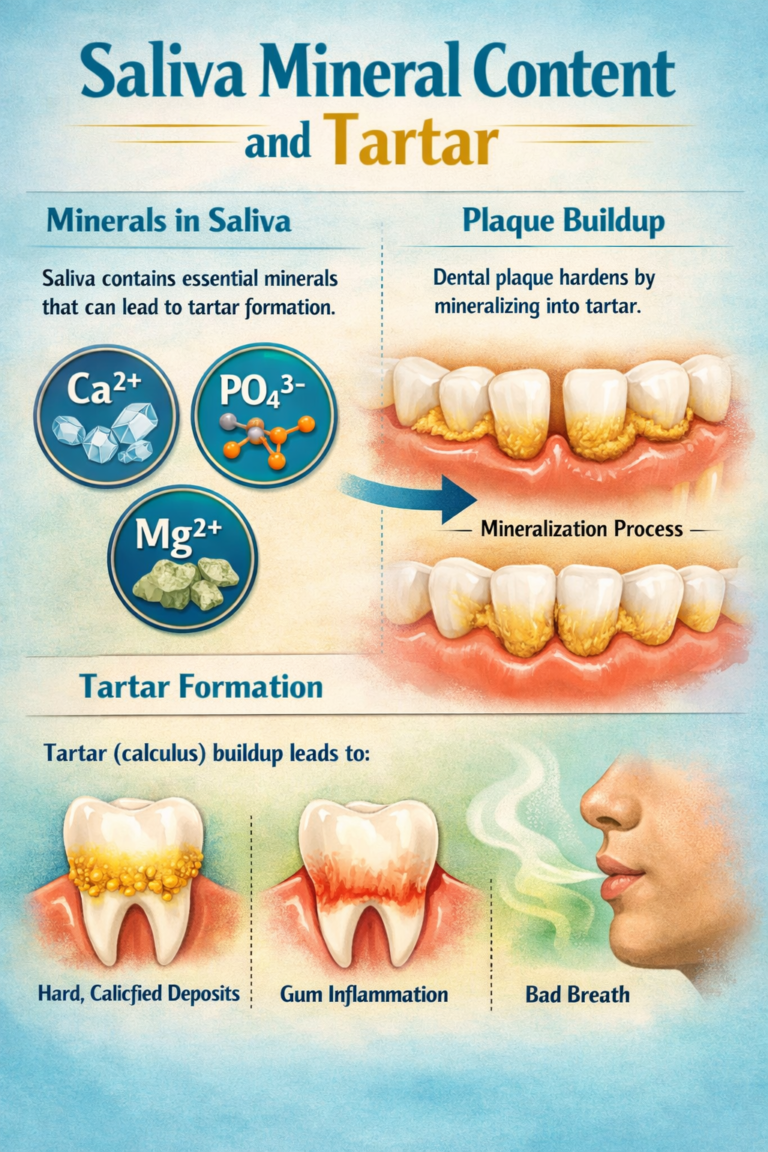
When plaque is left undisturbed for too long, minerals found in saliva begin hardening it into a rough deposit known as tartar or dental calculus.
Unlike plaque, tartar sticks firmly to the teeth and usually cannot be removed with normal brushing alone.
That is the major difference.
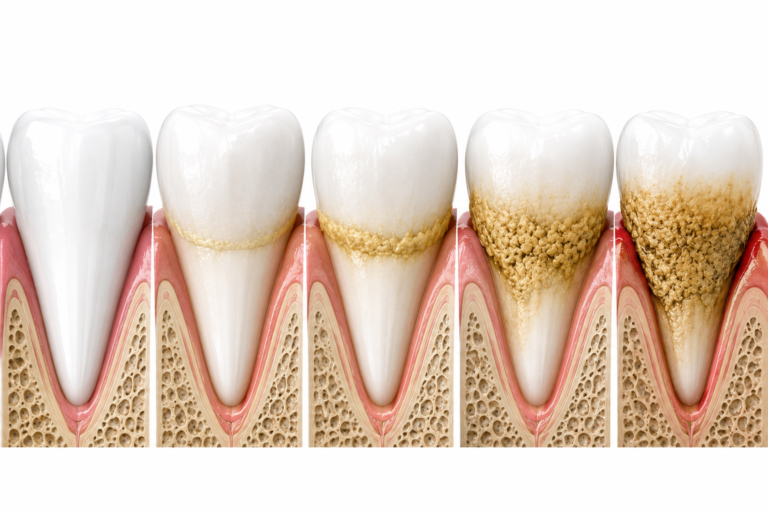
What Tartar Often Looks Like
Tartar may appear:
- Yellow
- Cream-colored
- Brown
- Dark near the gumline
Its texture is usually rougher than natural enamel. Some people notice it first when their teeth no longer feel smooth after brushing.
In smokers or heavy coffee drinkers, tartar can become darker and more noticeable over time.
For a deeper explanation of how this hardening process happens, see: How Tartar Forms on Teeth and How to Stop It
The Biggest Difference Between Plaque and Tartar
The simplest way to understand it is this:
Plaque is soft.
Tartar is hardened.
Plaque forms daily and can usually be removed through brushing and flossing. Tartar forms when plaque remains on the teeth long enough to mineralize.
Once tartar develops, it creates a rough surface that attracts even more plaque accumulation.
That cycle is one reason buildup tends to worsen gradually if ignored.
Why Dentists Pay Close Attention to Tartar
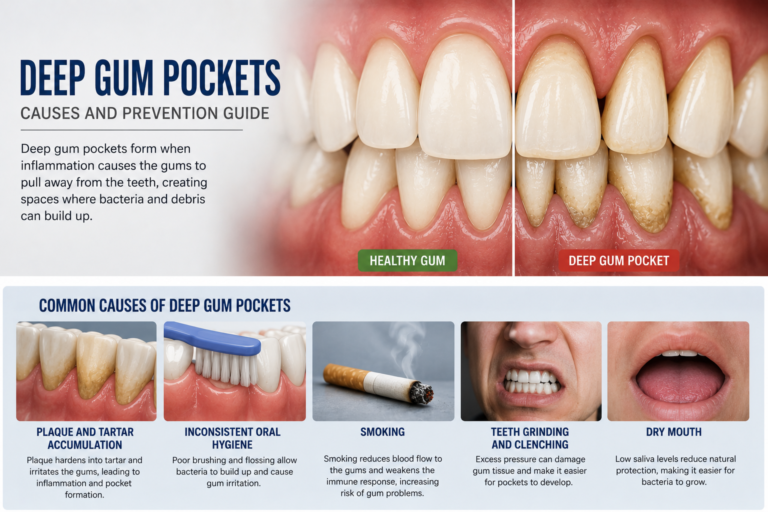
Plaque itself is already irritating to the gums because of bacterial activity.
But tartar makes the situation more difficult because its rough surface allows bacteria to cling more aggressively around the gumline.
This can contribute to:
- Persistent bad breath
- Bleeding gums
- Gum inflammation
- Gum recession
- Increased risk of periodontal disease
Many of these changes overlap with common gum disease symptoms that often develop gradually as plaque and tartar remain near the gumline. Persistent bleeding, swollen gums, tenderness, bad breath, and gum recession may all serve as warning signs that the gums are experiencing ongoing inflammation and should not be ignored
Interestingly, many people do not notice tartar immediately because it often develops slowly over months rather than days.
Dental hygienists frequently mention that patients become accustomed to the feeling until a professional cleaning suddenly makes the teeth feel smooth again.
How Tartar vs Plaque Differences Affect Gum Health
Understanding Tartar vs Plaque Differences is important because both play different roles in the development of gum problems.
Plaque is the starting point. This soft bacterial film forms continuously throughout the day and can usually be removed through proper brushing and flossing. When plaque remains on the teeth for too long, it can irritate the gum tissue and trigger inflammation.
Tartar, on the other hand, develops after plaque hardens through a process called mineralization. One of the most important Tartar vs Plaque Differences is that tartar creates a rough surface that allows even more bacteria to accumulate around the gumline. As a result, gums may become increasingly irritated over time.
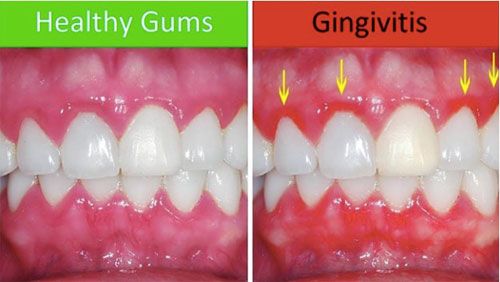
Many early signs of gum inflammation can appear subtle. Occasional bleeding while brushing, mild swelling, gum tenderness, or persistent bad breath are often dismissed as minor concerns. However, these symptoms may indicate that plaque and tartar are contributing to ongoing irritation beneath the gumline.
Individuals experiencing these warning signs may benefit from learning more about gingivitis treatment for healthier gums, including preventive strategies, professional care options, and daily oral hygiene practices that help support healthier gum tissue.
By recognizing the relationship between plaque, tartar, and gum inflammation, people can take action earlier. Consistent plaque removal and professional tartar management remain two of the most effective ways to reduce the risk of long-term periodontal complications and maintain healthier gums.
One product readers sometimes explore is Dental Pro 7, which is commonly discussed in conversations about gum support and oral freshness.
Can You Remove Plaque at Home?
Usually, yes.
That is why daily oral hygiene matters so much.
Brushing Consistently
Dentists generally recommend brushing twice daily for at least two minutes.
Technique matters more than aggressive force. Many people scrub too hard but still miss areas near the gums or back molars.
Flossing Helps More Than Most People Realize
Plaque between teeth often goes untouched without flossing.
Those hidden areas are also where gum inflammation commonly begins first.
Hydration Supports Oral Health
Dry mouth allows bacteria to accumulate more easily.
Drinking water throughout the day supports saliva flow, which naturally helps cleanse the mouth.
Can You Remove Tartar at Home?
This is where misinformation online becomes common.
Some websites promote scraping tools or abrasive DIY methods, but dentists generally warn against trying to aggressively remove tartar yourself because it can damage enamel or irritate the gums.
Professional cleaning remains the safest and most effective option for significant tartar buildup.
Detailed cleaning overview here: Professional Tartar Removal And for a broader long-term strategy: Tartar Removal Guide
Why Understanding Tartar Removal Costs Matters
Learning the difference between Tartar vs Plaque can also help patients better understand why treatment costs vary. While plaque can usually be managed through daily brushing and flossing, hardened tartar often requires professional intervention. Because Tartar vs Plaque represent different stages of buildup, treatment complexity may increase when tartar remains untreated for long periods. Readers interested in professional care expenses may find tartar removal cost pricing factors and treatment options useful for planning preventive and long-term oral health care.
Why Some People Develop More Tartar Than Others
This is something many people find frustrating.
Two people can brush similarly yet experience very different levels of buildup.
Dentists often point to several contributing factors:
Saliva Composition
Some people naturally have saliva with higher mineral content, which may accelerate tartar formation.
Mouth Breathing and Dry Mouth
Reduced saliva flow allows bacteria and plaque to remain on teeth longer.
Crowded Teeth
Tight spacing creates areas that are harder to clean thoroughly.
Lifestyle Habits
Smoking, vaping, coffee consumption, sugary snacks, and inconsistent hydration can all contribute to faster buildup.
Choosing Ingredients That Support Long-Term Oral Health
Choosing an oral care product involves understanding more than product claims alone. Exploring Dental Pro 7 Ingredients may help readers learn how selected ingredients are intended to support healthier gums when combined with brushing, flossing, hydration, and routine professional cleanings.
Readers comparing natural oral care products may also find it useful to explore Dental Pro 7 Ingredients Breakdown Guide, which explains each botanical ingredient and its intended role in supporting everyday gum health.
Why Early Treatment Can Help Reduce Future Costs
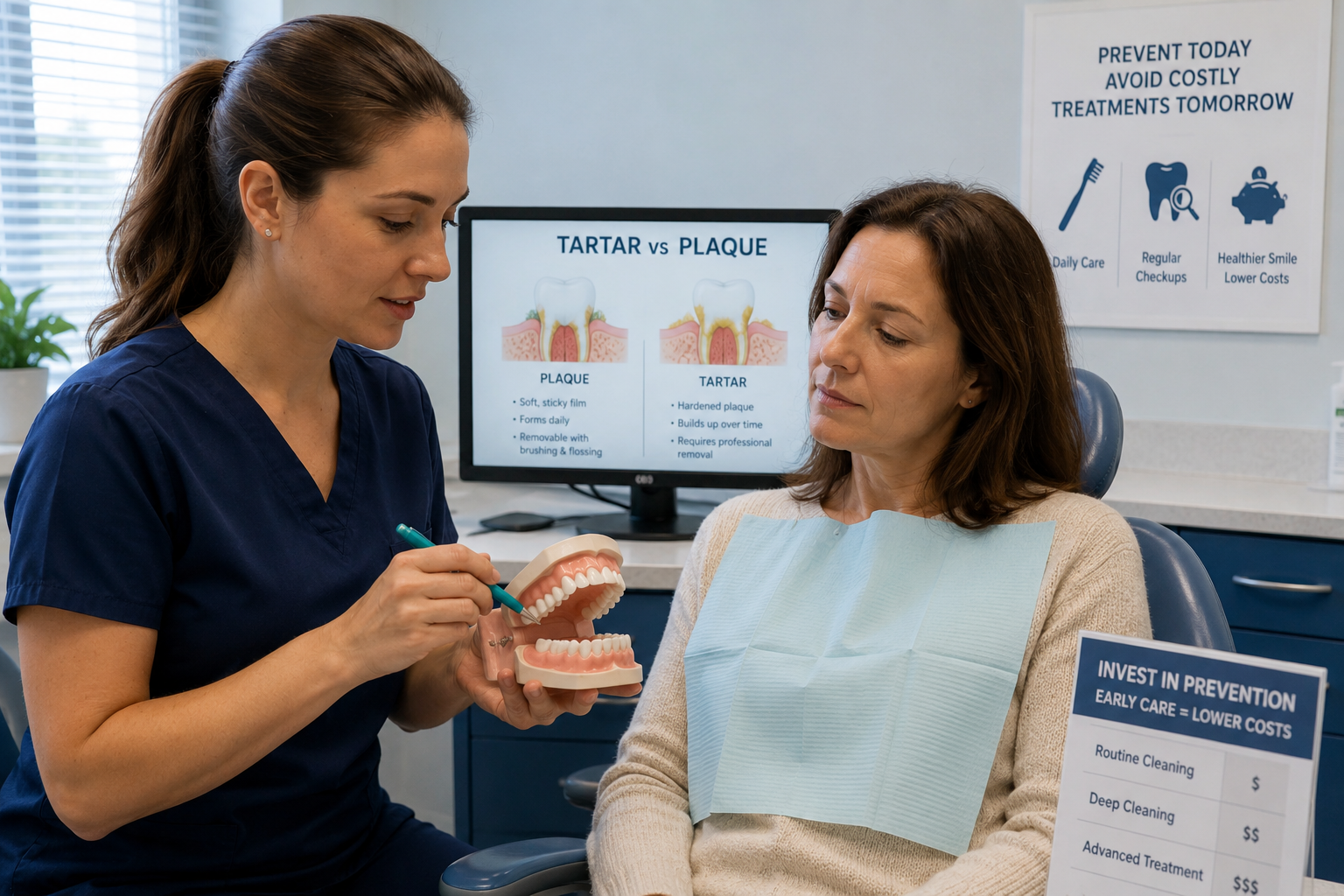
Understanding Tartar vs Plaque is important not only for oral health but also for treatment planning. While plaque can often be managed through consistent home care, tartar frequently requires professional removal once it hardens. Because Tartar vs Plaque represent different stages of buildup, delaying treatment may allow deposits to become more extensive and potentially increase treatment complexity. Readers interested in professional care expenses can explore tartar removal cost pricing factors and treatment options to better understand the factors that influence dental cleaning and periodontal treatment costs.
What Plaque and Tartar Feel Like in Real Life
This is rarely explained clearly in most oral health articles.
Plaque often feels:
- Fuzzy
- Slimy
- Soft
- Filmy
Tartar usually feels:
- Rough
- Hard
- Crusty
- Stubborn near the gumline
Many patients describe tartar as feeling like “something stuck to the tooth that brushing will not remove.”
That description is surprisingly accurate.
Does Brushing Once a Day Increase Tartar Risk?
For many people, yes.
Plaque begins forming continuously throughout the day. When brushing becomes inconsistent, plaque remains longer on the teeth, increasing the likelihood of mineralization.
More details here: Does brushing once a day cause tartar?
Can Natural Oral Care Products Help Support Prevention?
Some people prefer gentler oral care products that focus on supporting the mouth’s natural bacterial balance rather than relying solely on stronger antiseptic ingredients. Comparing product formulations and understanding ingredient lists may help individuals choose options that complement consistent brushing, flossing, hydration, and regular professional dental care.
One product readers sometimes explore is Dental Pro 7, which is commonly discussed in conversations about gum support and oral freshness.
People who prefer liquid oral care products may also want to understand why Dental Pro 7 uses a liquid format, including how the formulation is designed for direct application along the gumline.
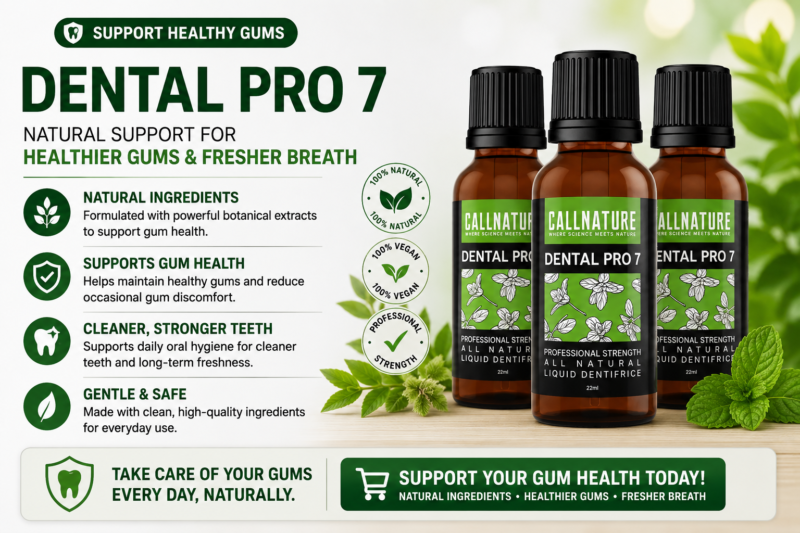
Official source: Callnature and Marketplace comparison option: Amazon – professional dental care
Readers who want to compare formulations, ingredients, and available purchasing options can review the official product information before deciding whether it fits their oral care routine.
Still, supplements should never replace brushing, flossing, hydration, and professional dental care. Sustainable daily habits remain the foundation of oral health.
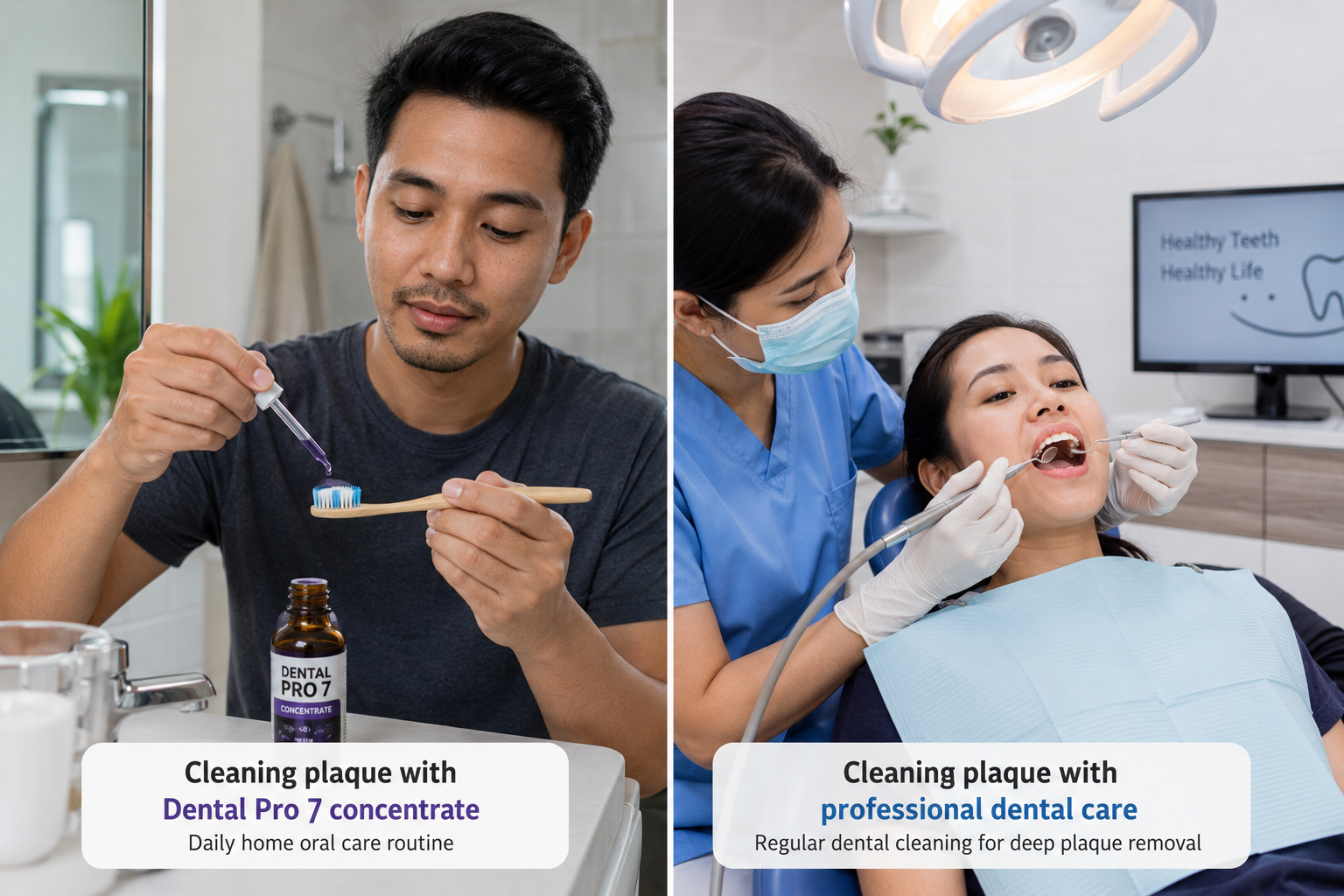
Natural Oral Care Products That May Complement Plaque Control
Daily brushing and flossing remain the foundation of plaque control, but some people also explore complementary oral care products. Reading a detailed Dental Pro 7 Review may help readers understand its intended role, ingredients, and how it can complement consistent oral hygiene and professional dental care.
What Dentists Usually Recommend Long-Term
Most dental professionals focus less on “perfect” oral hygiene and more on consistency.
Small daily habits repeated over time usually matter more than occasional aggressive cleaning sessions.
That includes:
- Brushing carefully twice daily
- Flossing consistently
- Staying hydrated
- Limiting sugary snacks and acidic drinks
- Scheduling regular dental cleanings
People often underestimate how much routine matters until they improve consistency for several months and notice healthier gums and smoother teeth.
Can Plaque and Tartar Return After Professional Cleaning?
Professional dental cleaning removes existing tartar, but it does not prevent new plaque from forming. Oral bacteria begin attaching to tooth surfaces within hours after brushing, which is why consistent daily oral hygiene remains essential. Brushing twice a day, cleaning between the teeth, staying hydrated, and attending routine dental checkups help reduce the rate at which plaque returns and lowers the likelihood of tartar developing again.
FAQ – Tartar vs Plaque Differences
Is plaque worse than tartar?
Plaque starts the problem, but tartar becomes harder to manage because it traps bacteria more effectively and usually requires professional removal.
Can tartar turn back into plaque?
No. Once plaque hardens into tartar, it does not soften back into plaque naturally.
Why do my teeth still feel rough after brushing?
That rough feeling may indicate tartar buildup, especially near the gumline or behind the lower front teeth.
How quickly can plaque become tartar?
In some people, plaque may begin hardening within 24 to 72 hours if not removed consistently.
Is tartar always visible?
Not always. Some tartar forms below the gumline where it cannot easily be seen without a dental examination.
Can plaque become tartar overnight?
Plaque does not usually become fully hardened overnight, but mineralization may begin within 24 to 72 hours if plaque is not removed through regular brushing and flossing.
Does everyone develop tartar at the same rate?
No. Saliva composition, oral hygiene habits, diet, smoking, dry mouth, and tooth alignment can all influence how quickly plaque hardens into tartar.
About the Author — Dental Pro 7 Ingredients Editorial Team
The Dental Pro 7 Ingredients Editorial Team publishes educational content focused on oral hygiene, gum wellness, tartar prevention, plaque management, and long-term dental care habits.
Our editorial process combines clinical dental guidance, oral health research, preventive care principles, and practical observations commonly discussed by dental professionals and hygienists. We aim to translate complex oral health topics into language that feels understandable, balanced, and genuinely useful for everyday readers.
Content is periodically reviewed to improve accuracy, clarity, and relevance based on updated oral health information and evolving dental care recommendations.
Disclaimer – Tartar vs Plaque Differences
This article is intended for informational and educational purposes only and should not be considered medical or dental advice. Always consult a licensed dentist or qualified healthcare provider regarding symptoms, diagnosis, or treatment decisions related to oral health.
The publisher may receive compensation from purchases made through affiliate links mentioned in this article. Individual experiences with oral care products may vary.
References – Tartar vs Plaque Differences
Natural references that strengthen EEAT and trust:
5 Comments