How Long Plaque Takes to Turn Into Tartar
How Long Plaque Takes to Turn Into Tartar?: Plaque forms on the teeth every single day. Even people who brush regularly develop plaque because oral bacteria naturally combine with food particles and saliva inside the mouth.
At first, plaque may seem harmless because it is soft and difficult to notice. However, when it is not removed properly, plaque can harden into tartar, which is much more difficult to clean at home.
Many people are surprised to learn how quickly this process can happen.
Understanding how plaque turns into tartar may help you improve your oral hygiene habits and support healthier teeth and gums over time.
What Is Plaque?
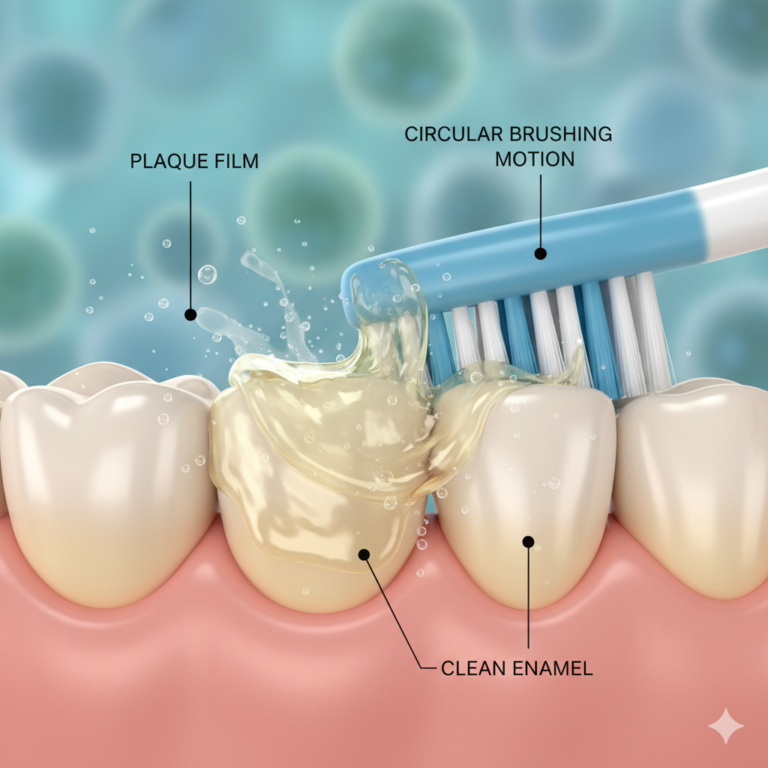
Plaque is a sticky bacterial film that constantly develops on the surface of the teeth.
After eating or drinking, especially sugary or starchy foods, bacteria feed on leftover particles and begin producing acids that may weaken enamel over time.
Plaque commonly accumulates:
- near the gumline
- between teeth
- behind front teeth
- around molars
If plaque is not removed consistently, it may contribute to:
- bad breath
- gum irritation
- tooth sensitivity
- cavities
- tartar formation
What Is Tartar?
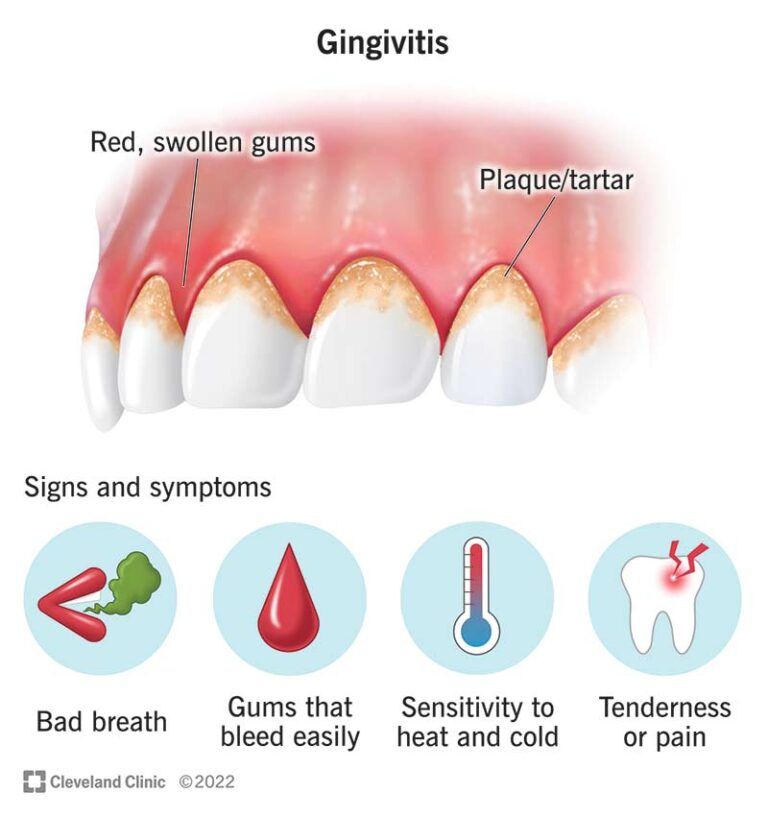
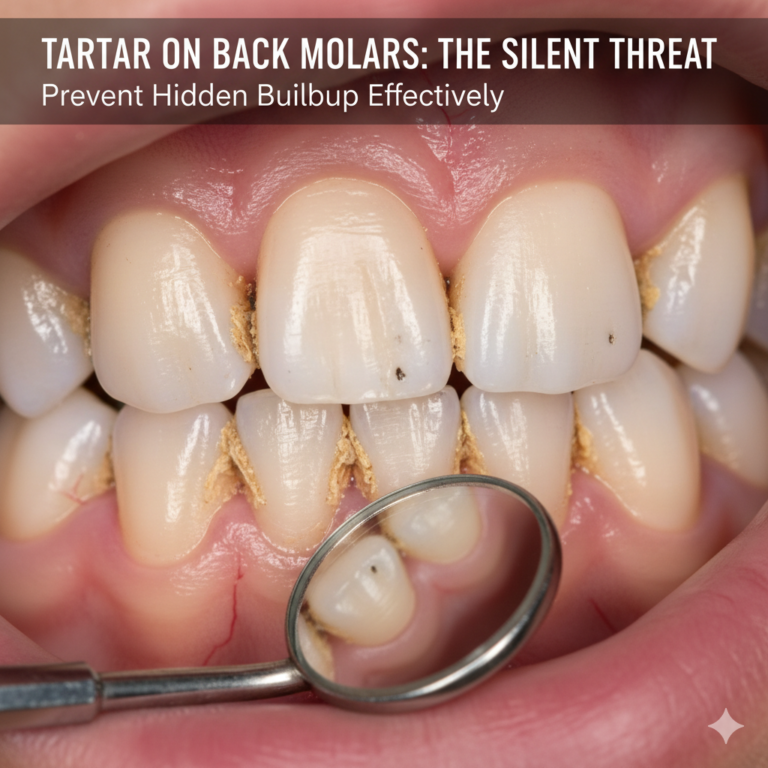
Tartar, also called dental calculus, develops when plaque hardens on the teeth.
Unlike soft plaque, tartar attaches strongly to tooth surfaces and cannot usually be removed through brushing alone.
Tartar often appears:
- yellow
- brown
- rough near the gums
Over time, tartar buildup may contribute to:
- gum inflammation
- persistent bad breath
- plaque accumulation
- increased oral bacteria retention
This is why preventing plaque from hardening is extremely important.
How Quickly Can Plaque Turn Into Tartar?
Plaque may begin hardening into tartar within:
24 to 72 hours
depending on:
- oral hygiene habits
- saliva composition
- diet
- bacterial levels
- brushing consistency
In some people, tartar develops faster due to higher mineral content in saliva or more frequent plaque buildup.
Once tartar forms, it becomes much more difficult to remove without professional dental cleaning.
Why Plaque Hardens Into Tartar
Plaque contains bacteria mixed with proteins and minerals from saliva.
If plaque remains on the teeth long enough, minerals in saliva gradually harden the bacterial film into tartar.
This process commonly occurs faster when:
- brushing is inconsistent
- flossing is skipped
- sugary foods are consumed frequently
- plaque remains near the gums
- dry mouth develops
Understanding these risk factors may help reduce future buildup.
Common Signs Plaque May Be Turning Into Tartar
Many people do not notice plaque hardening until tartar has already developed.
Common signs may include:
- rough feeling teeth
- yellow buildup near the gums
- bad breath
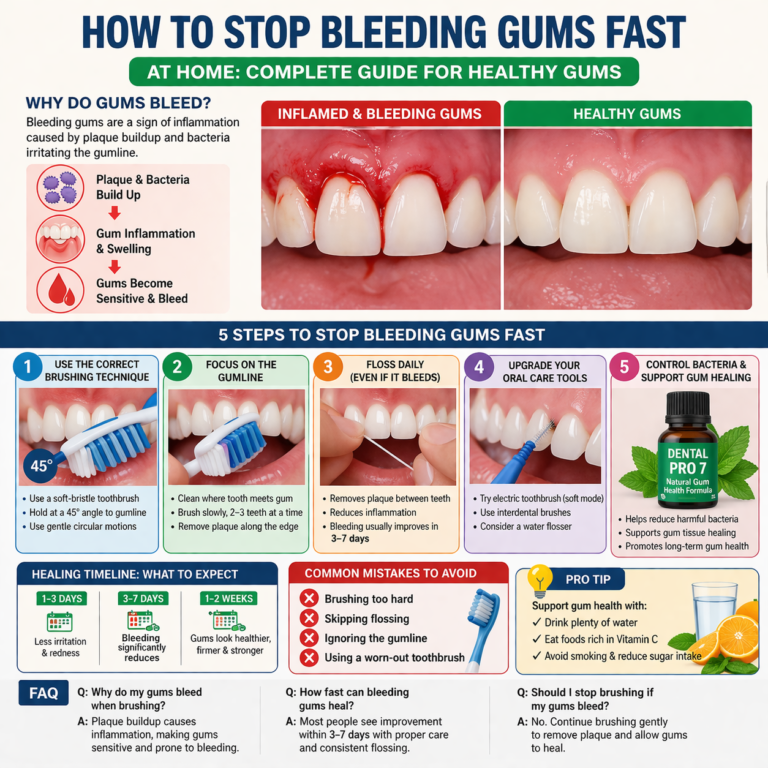
- gums bleeding during brushing
- stubborn deposits that do not brush away
If your teeth continue feeling coated after brushing, you may also want to read:
Why Your Teeth Still Feel Dirty After Brushing
Areas Where Tartar Commonly Forms
Tartar tends to develop most heavily in areas that are difficult to clean consistently.
These include:
- behind lower front teeth
- near the gumline
- between crowded teeth
- around molars
Saliva ducts near the lower front teeth may also contribute to faster tartar formation in that area.
Why Plaque Keeps Returning
Many people remove plaque temporarily but continue struggling with recurring buildup.
This often happens because oral bacteria begin rebuilding shortly after brushing.
Plaque may return more quickly due to:
- sugary snacks
- poor brushing technique
- skipped flossing
- inconsistent oral care
- dry mouth
If recurring buildup is a constant problem, continue reading:
Why Plaque Keeps Coming Back Even After Brushing
How to Help Prevent Tartar Naturally
Preventing tartar usually starts with reducing plaque before it hardens.
Healthy daily habits may include:
- brushing twice daily
- flossing regularly
- cleaning the tongue
- drinking enough water
- limiting sugary snacks
- replacing toothbrushes regularly
Consistency is one of the most important factors in long-term plaque control.
The Importance of Proper Brushing Technique
Many people brush daily but still miss important areas where plaque accumulates.
Effective brushing often involves:
- brushing for at least two minutes
- using gentle circular motions
- cleaning near the gums
- brushing all tooth surfaces evenly
Aggressive brushing is not necessarily better.
In fact, brushing too hard may irritate gums and increase sensitivity over time.
Signs Your Plaque Removal Routine Is Improving
As plaque control improves, many people begin noticing:
- smoother teeth
- fresher breath
- less visible buildup
- cleaner feeling after meals
- healthier-looking gums
These improvements usually happen gradually rather than instantly.
For additional guidance, continue reading:
7 Signs Your Plaque Removal Routine Is Actually Working
Can Tartar Be Removed at Home?
Once tartar hardens on the teeth, it is usually difficult to remove safely at home.
Trying to scrape tartar aggressively may:
- damage enamel
- irritate gums
- increase sensitivity
Professional dental cleaning is often the safest way to remove hardened tartar buildup.
This is why prevention is generally easier than treatment.
How Long Plaque Takes to Turn Into Tartar? – Natural Oral Care Support
Some people also explore natural oral care products designed to support healthier gums and fresher breath as part of their daily routine.
Products containing probiotics, herbal ingredients, and bacteria-balancing formulas are increasingly popular among people interested in supporting long-term oral hygiene naturally.
Dental Pro 7 is one example often discussed by individuals looking to support:
- healthier gums
- fresher breath
- oral bacteria balance
- cleaner feeling teeth
While no product replaces proper brushing and flossing, combining supportive oral care habits with a consistent hygiene routine may help improve overall mouth cleanliness over time.
When Professional Cleaning May Be Necessary
Professional cleaning may be helpful if you experience:
- heavy tartar buildup
- persistent bad breath
- gum bleeding
- swollen gums
- tooth sensitivity
- rough deposits near the gumline
Dental professionals can remove hardened tartar that cannot usually be eliminated through brushing alone.
How Long Plaque Takes to Turn Into Tartar?: Daily Habits That May Slow Tartar Formation
You may help reduce tartar buildup by:
- brushing consistently
- flossing daily
- limiting sugary drinks
- drinking more water
- avoiding tobacco products
- cleaning the tongue regularly
Small daily habits repeated consistently often produce the best long-term results.
Final Thoughts – How Long Plaque Takes to Turn Into Tartar?
Plaque can begin hardening into tartar surprisingly quickly — sometimes within just a few days if it is not removed consistently.
Because tartar is much harder to remove than plaque, prevention is extremely important.
Improving brushing habits, flossing regularly, reducing sugary snacks, and maintaining a balanced oral hygiene routine may all help support healthier teeth and gums over time.
Understanding how plaque develops, why tartar forms, and how recurring buildup occurs can make a major difference in long-term oral health.
For additional guidance, continue reading: How to Remove Plaque Naturally Without Damaging Your Gums
FAQ – How Long Plaque Takes to Turn Into Tartar?
Can plaque turn into tartar overnight?
Plaque usually does not harden overnight, but mineralization may begin within 24–72 hours if plaque remains on the teeth.
What causes tartar buildup?
Tartar develops when plaque combines with minerals in saliva and hardens on the teeth over time.
Can brushing remove tartar?
Brushing may help prevent tartar by removing plaque early, but hardened tartar usually requires professional cleaning.
Why does tartar form faster on some people?
Factors such as saliva composition, diet, oral bacteria levels, and brushing habits may affect how quickly tartar develops.
Can natural oral care products support plaque control?
Some people use natural oral care products as part of a consistent routine designed to support healthier gums, fresher breath, and oral bacteria balance naturally.

One Comment