
How to Stop Plaque Build-Up Fast Without Overdoing Your Oral Care
How to Stop Plaque Build-Up Fast: Plaque usually does not become noticeable all at once.
For most people, it starts subtly.
Teeth begin feeling slightly fuzzy by late afternoon. The back molars feel rough near the gums. Floss develops an unpleasant smell in one particular spot. Some people notice their teeth never quite feel fully clean anymore, even after brushing carefully.
That sticky film is plaque — a bacterial biofilm that continuously forms inside the mouth throughout the day.
What frustrates many adults is how quickly it comes back. Someone can brush thoroughly in the morning and still feel buildup returning by evening, especially after coffee, snacking, or long workdays without enough water.
The good news is that plaque can usually be slowed down significantly before it hardens into tartar. But doing that consistently often requires more than simply brushing harder or buying stronger mouthwash.
In reality, plaque control tends to improve when routines become gentler, more targeted, and more realistic to maintain long term.
Reducing plaque buildup early may help lower the risk of long-term tartar accumulation around the teeth and gums.
Why Plaque Builds Up Faster Than Most People Expect
Plaque forms naturally after eating and drinking because oral bacteria interact with leftover carbohydrates and saliva proteins.
That process begins surprisingly fast.
According to periodontal research, bacterial biofilm can start reforming only hours after brushing. This is one reason teeth may already feel coated again later in the day.
Some areas of the mouth are especially vulnerable:
- behind lower front teeth,
- between tight molars,
- near dental crowns,
- around retainers,
- along the gumline.
Many people repeatedly miss the same locations without realizing it.
Dentists also commonly observe that plaque does not accumulate evenly. One side of the mouth may build tartar faster because of:
- chewing habits,
- crowded teeth,
- saliva flow,
- mouth breathing,
- brushing angles.
That uneven buildup pattern is extremely common.
If plaque seems to return unusually quickly even after brushing, this related guide explains several overlooked causes in more detail:
👉Why Plaque Keeps Coming Back Even After Brushing?
Brushing Harder Usually Does Not Solve the Problem
One of the most common mistakes people make is assuming plaque requires aggressive scrubbing.
In reality, plaque is sticky — not necessarily hard.
Brushing too forcefully can:
- irritate gums,
- wear enamel gradually,
- increase gum recession,
- create sensitivity near the gumline.
Ironically, aggressive brushing often still misses the places where plaque accumulates most heavily.
Most dental hygienists focus more on:
- angle,
- consistency,
- gumline coverage,
- brushing duration,
than brushing force itself.
A slower brushing technique is often far more effective than a harsh one.
Toothbrush bristles often struggle to reach these narrow spaces effectively. Learning how to clean plaque from between teeth may help improve plaque control in areas that are commonly missed.
The Areas People Commonly Miss
Behind the Lower Front Teeth
This area develops tartar quickly because saliva glands nearby release minerals that help plaque harden faster.
Even people with otherwise good oral hygiene often develop buildup there first.
Between Tight Teeth
Toothbrush bristles rarely clean these surfaces well.
That is why teeth may still feel unclean despite brushing thoroughly.
This article explains better ways to clean plaque between teeth safely:
Near the Gumline
Many people unintentionally brush above the gumline instead of gently along it.
Plaque bacteria often remain concentrated exactly where gums meet teeth.
What Actually Helps Slow Plaque Build-Up
The most effective plaque-control routines are usually surprisingly simple.
Brush More Slowly, Not More Aggressively
Small circular motions near the gumline tend to remove plaque more effectively than fast horizontal scrubbing.
Electric toothbrushes can help some people because they maintain consistent motion automatically.
How Fast Can Plaque Be Reduced?
Many people expect plaque to disappear overnight. In reality, noticeable improvements often occur within several days of consistent oral hygiene.
Most people begin noticing:
- smoother tooth surfaces
- less fuzzy feeling
- fresher breath
- reduced gum irritation
within one to two weeks of improving brushing and interdental cleaning habits.
Existing tartar deposits, however, will not disappear through home care and typically require professional cleaning.
Why Consistency Matters More Than Perfection
Many people become discouraged when plaque seems to return only a few hours after brushing. However, plaque formation is a natural biological process rather than a sign that oral hygiene has failed. The goal is not to eliminate plaque permanently but to remove it regularly before it hardens into tartar.
Trying to brush harder or more frequently is usually less effective than maintaining a consistent routine. Gentle brushing twice a day, cleaning between the teeth, and attending regular dental checkups generally provide better long-term results than occasional intensive cleaning sessions.
Small daily improvements are often easier to maintain than complicated oral care routines. Over time, these consistent habits help reduce plaque accumulation, support healthier gums, and lower the likelihood of developing tartar or periodontal disease.
Clean Between Teeth Consistently
Plaque between teeth is one of the biggest reasons people still experience:
- bad breath,
- bleeding gums,
- recurring tartar,
- persistent roughness.
Daily flossing or interdental brushing matters more than occasional “deep cleaning.”
Reduce Constant Snacking
Frequent snacking keeps oral bacteria continuously active.
Many people notice cleaner-feeling teeth simply by reducing:
- sugary drinks,
- constant coffee sipping,
- late-night snacking.
Common Mistakes That Allow Plaque to Return Quickly
Even people who brush regularly sometimes develop heavy plaque because of small mistakes in their daily routine. Brushing for less than two minutes, skipping flossing, using a worn toothbrush, or consistently missing the gumline all leave bacterial biofilm behind.
Another common mistake is assuming mouthwash alone removes plaque. Although mouthwash may temporarily reduce bacteria, it cannot physically remove the sticky biofilm attached to tooth surfaces.
Some people also brush immediately after consuming acidic drinks, which may temporarily soften enamel. Waiting about 30 minutes before brushing allows saliva to help restore the tooth surface while still supporting effective plaque removal.
Recognizing these everyday mistakes can make plaque control much more effective without requiring additional products.
Improve Dry Mouth
Dry mouth allows plaque bacteria to mature faster.
This often worsens:
- during sleep,
- after caffeine,
- during stress,
- with mouth breathing.
Hydration matters more than many people realize for oral health comfort.
Why Teeth Sometimes Feel Fuzzy Again So Fast

A “fuzzy” feeling on teeth is often early plaque biofilm reforming.
People commonly notice this:
- late afternoon,
- after coffee,
- after long meetings,
- during dehydration,
- after waking with dry mouth.
This does not necessarily mean someone brushed poorly.
It usually means bacterial buildup is reforming in areas where saliva and brushing are less effective.
The sensation is especially common near molars and lower front teeth.
Plaque vs Tartar: Why the Difference Matters
Many people use the terms plaque and tartar interchangeably, but they are not the same thing. Understanding the difference can help you make better decisions about your daily oral care routine.
| Plaque | Tartar |
|---|---|
| Soft and sticky | Hard and mineralized |
| Can be removed at home | Requires professional removal |
| Forms daily | Forms when plaque remains untreated |
| Usually colorless | Often yellow or brown |
Plaque is a soft bacterial film that develops on teeth throughout the day. It forms naturally after eating and drinking and can usually be removed with proper brushing, flossing, and regular oral hygiene habits.
Tartar, also known as dental calculus, develops when plaque remains on the teeth long enough to absorb minerals from saliva and harden. Once this occurs, the buildup becomes firmly attached to tooth surfaces and cannot be removed with a toothbrush or floss alone.
This distinction matters because tartar creates a rough surface that allows additional plaque and bacteria to accumulate more easily. Over time, this may increase the risk of bad breath, gum inflammation, gingivitis, and more advanced periodontal problems.
By removing plaque consistently before it hardens, many people can reduce the likelihood of developing tartar and the need for more extensive professional dental treatment.
Mouthwash Alone Usually Is Not Enough
Many antiseptic mouthwashes temporarily reduce bacteria, but plaque itself still requires physical disruption.
That means:
- floss,
- toothbrush bristles,
- interdental brushes,
remain essential.
Some people also find that overly strong mouthwashes leave their mouth feeling excessively dry afterward, which may contribute to plaque returning faster later.
A More Realistic Oral Care Routine
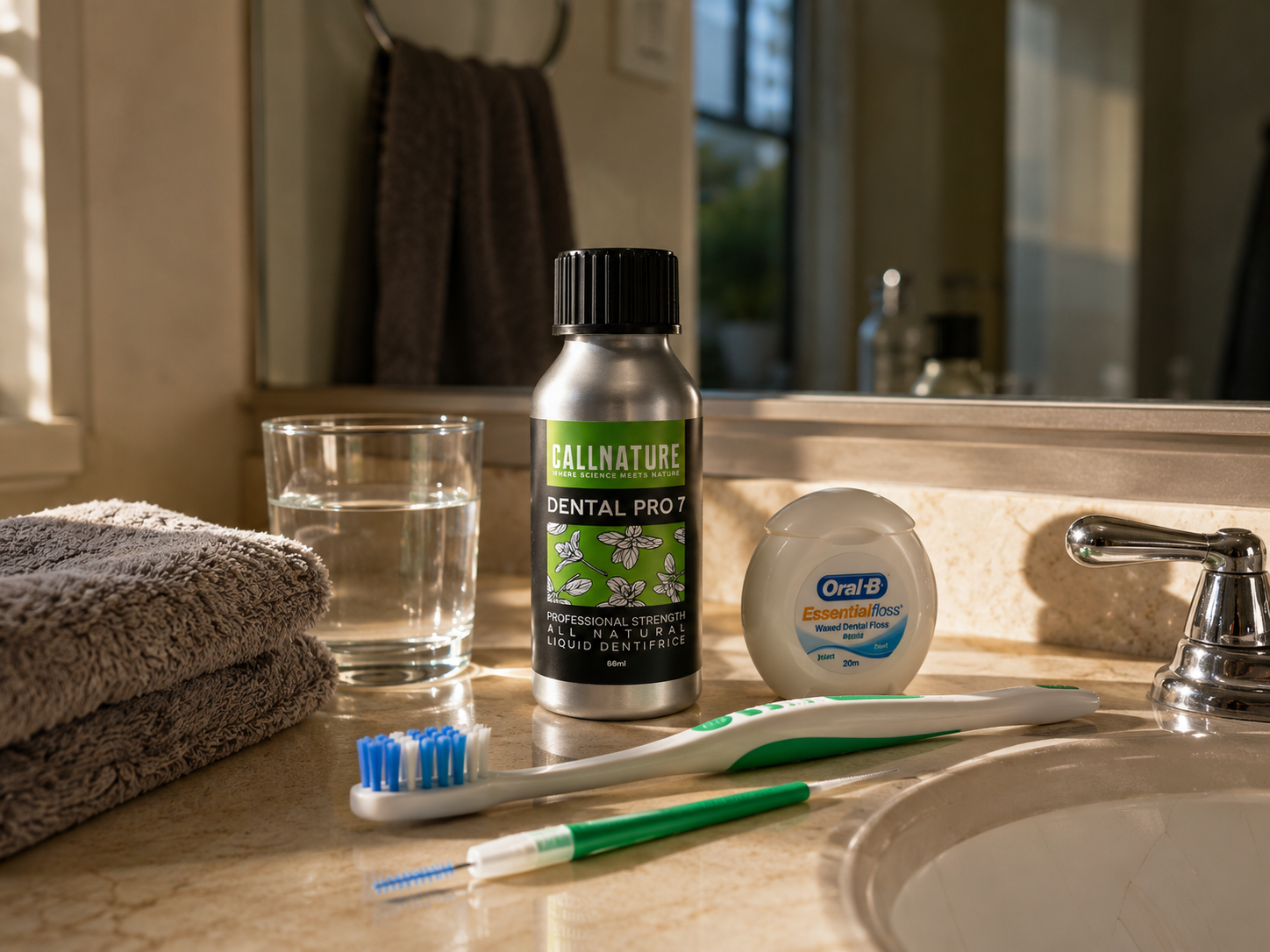
The routines people actually maintain tend to work better long term than extreme routines they abandon after a week.
For many adults, a practical plaque-control routine looks like this:
Morning
- Brush gently for two minutes.
- Clean the tongue slowly.
- Drink water after coffee if possible.
Evening
- Floss before brushing.
- Spend extra time near lower front teeth.
- Avoid late-night snacking afterward.
This sounds basic, but consistency is usually what makes the biggest difference over time.
Choosing the Right Oral Care Products
As daily oral care products continue to evolve, many people compare different formulas before deciding which products best fit their routine. While brushing technique and plaque removal remain the foundation of good oral hygiene, product ingredients, formulation, ease of use, and long-term value also influence purchasing decisions.
Some individuals prefer products designed for sensitive gums, while others look for botanical ingredients or probiotic-based formulations. Understanding these differences helps consumers select products that match their personal preferences without replacing professional dental care.
Comparing oral care formulas, ingredients, and pricing can also make it easier to identify products that align with your long-term oral hygiene goals.
Natural Oral Care Approaches Some People Explore
There is growing discussion around the oral microbiome — the balance of bacteria inside the mouth and how it may affect plaque formation, gum comfort, and breath quality.
Because of this, some people experiment with probiotic-style oral care products instead of relying only on stronger antiseptic rinses. Importantly, products like these are generally used as supportive additions — not replacements for flossing, brushing, or professional dental care.
Some people also explore additional oral care options alongside brushing, flossing, and professional dental cleanings. Learn more about Dental Pro 7 Ingredients and how its formula is designed to support everyday gum care.
Readers who want additional information often explore independent reviews of natural gum support formulas before adding new products to their oral care routine.
Signs Plaque Is Becoming a Bigger Problem
Plaque is a normal part of daily oral health, but when it is not removed consistently, it can begin causing noticeable symptoms. Recognizing these early warning signs may help prevent more serious dental problems in the future.
One of the most common indicators is bleeding gums, especially during brushing or flossing. Gums may also appear red, swollen, or tender due to irritation caused by bacterial buildup.
Another frequent symptom is persistent bad breath that returns quickly even after brushing. This often occurs when plaque bacteria continue accumulating in hard-to-reach areas of the mouth.
Some people notice yellow buildup along the gumline, which may indicate that plaque is starting to harden into tartar. As buildup increases, sensitivity near gums can also develop, particularly when consuming hot, cold, or sweet foods.
Over time, untreated plaque may contribute to gum recession, making teeth appear longer and exposing more sensitive root surfaces. Repeated swelling or recurring inflammation can also signal that plaque is becoming a larger oral health concern that requires attention.
When plaque remains untreated for extended periods, it may contribute to tartar and gum disease, increasing the likelihood of inflammation and future dental complication
When Plaque May Already Be Turning Into Tartar
Plaque begins soft, but once minerals harden it into tartar (calculus), home removal becomes much more difficult.
Possible signs include:
- rough texture near gums,
- yellow or brown buildup,
- recurring gum bleeding,
- bad breath that returns quickly,
- floss catching repeatedly.
At that point, professional dental cleaning is typically the safest option.
According to the American Dental Association, routine plaque control and regular dental cleanings are among the most important steps for preventing gingivitis and gum disease.
The Cleveland Clinic also notes that untreated plaque accumulation can eventually contribute to periodontal problems and gum inflammation. Complete tartar removal guide
In most cases, hardened tartar requires professional tartar removal because brushing and flossing alone cannot break down mineralized deposits safely.
Conclusion
Stopping plaque build-up fast is usually less about using harsher products and more about improving the areas daily brushing tends to miss.
For most people, the biggest improvements come from:
- slower brushing,
- cleaning between teeth consistently,
- reducing dry mouth,
- improving daily habits,
- paying attention to where plaque repeatedly returns.
Small adjustments often produce more noticeable long-term results than aggressive “deep cleaning” routines.
Frequently Asked Questions
Why does plaque return only hours after brushing?
Plaque bacteria begin reforming continuously throughout the day, especially after eating, drinking coffee, or experiencing dry mouth.
Why do my lower front teeth collect tartar faster?
Saliva glands near the lower front teeth release minerals that can harden plaque faster in that area.
Can brushing too hard make gums worse?
Yes. Aggressive brushing may irritate gums and wear enamel without improving plaque removal significantly.
Why do my teeth feel fuzzy by evening?
That fuzzy sensation is often early plaque biofilm reforming on tooth surfaces, especially after meals or dehydration.
Is mouthwash enough to stop plaque?
Usually not. Mouthwash may help reduce bacteria temporarily, but physical cleaning with brushing and flossing is still essential.
Can plaque disappear naturally?
Plaque does not usually disappear on its own. Because it is a sticky film of bacteria that continuously forms on teeth, it requires regular removal through brushing, flossing, and other oral hygiene practices. While saliva can help wash away some food particles and bacteria, it is generally not enough to eliminate plaque completely. If plaque remains on the teeth for too long, it can harden into tartar, which requires professional dental removal.
How many times should I brush to reduce plaque?
Most dental professionals recommend brushing at least twice daily for about two minutes each time. Consistent brushing in the morning and before bed helps remove plaque before it accumulates and hardens. People who are prone to heavy plaque buildup may also benefit from paying extra attention to the gumline and cleaning between teeth daily with floss or interdental brushes.
Does drinking water help remove plaque?
Drinking water can help rinse away food debris, dilute acids, and support healthy saliva production. While water alone cannot remove plaque from tooth surfaces, staying hydrated may help slow bacterial buildup and reduce dry mouth. Drinking water after meals or snacks can be a simple way to support overall oral hygiene between brushing sessions.
Can electric toothbrushes remove more plaque?
For many people, electric toothbrushes can be effective at removing plaque because they provide consistent brushing motions that are difficult to replicate manually. Research suggests that certain electric toothbrushes may remove more plaque and reduce gingivitis more effectively than manual toothbrushes when used correctly. However, brushing technique, coverage, and consistency remain the most important factors regardless of the type of toothbrush used.
About the Author — Dental Pro 7 Ingredients Editorial Team
Dental Pro 7 Ingredients Editorial Team publishes educational content focused on oral hygiene, plaque prevention, gum health, and practical long-term oral care habits.
Our editorial process prioritizes evidence-informed information, realistic dental hygiene guidance, and balanced discussion over exaggerated marketing claims. Articles are developed using preventive dental principles, publicly available oral health references, clinical observations commonly discussed by dental professionals, and emerging research related to oral bacteria and gum health.
We aim to create oral health content that feels practical, trustworthy, readable, and genuinely useful for everyday people trying to improve their routines sustainably.
Disclaimer
This article is intended for informational and educational purposes only and should not be considered medical or dental advice.
Always consult a licensed dentist or healthcare professional regarding persistent bad breath, gum bleeding, oral pain, tartar buildup, or suspected dental disease. Individual oral health conditions vary, and not all home-care strategies are appropriate for every person.