Medications That May Increase Tartar Buildup: Hidden Risks and Warning Signs
Medications That Cause Tartar Buildup: Last Updated: September 5, 2026 · 6 min read
Many prescription and over-the-counter medications can indirectly increase the risk of tartar buildup. In most cases, these medications do not create tartar directly. Instead, they may reduce saliva flow, change the oral environment, or affect how gum tissues respond to plaque.
These medications can be essential for managing health conditions. Understanding their possible oral side effects can help patients take practical steps to protect their teeth and gums.
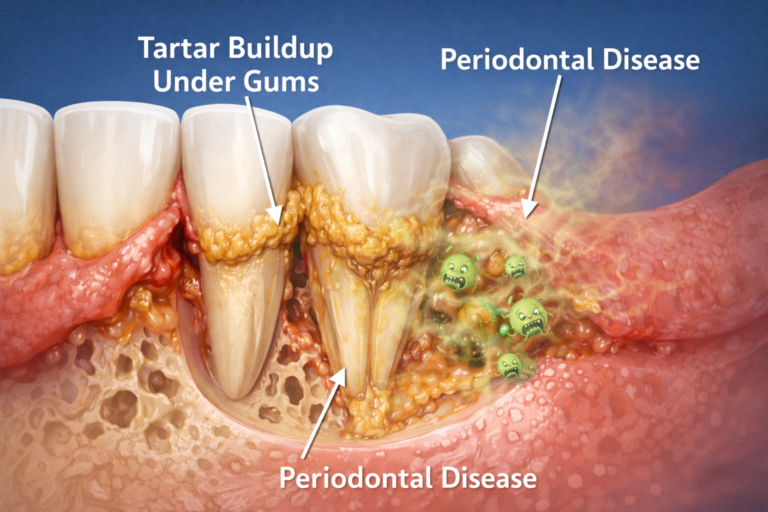
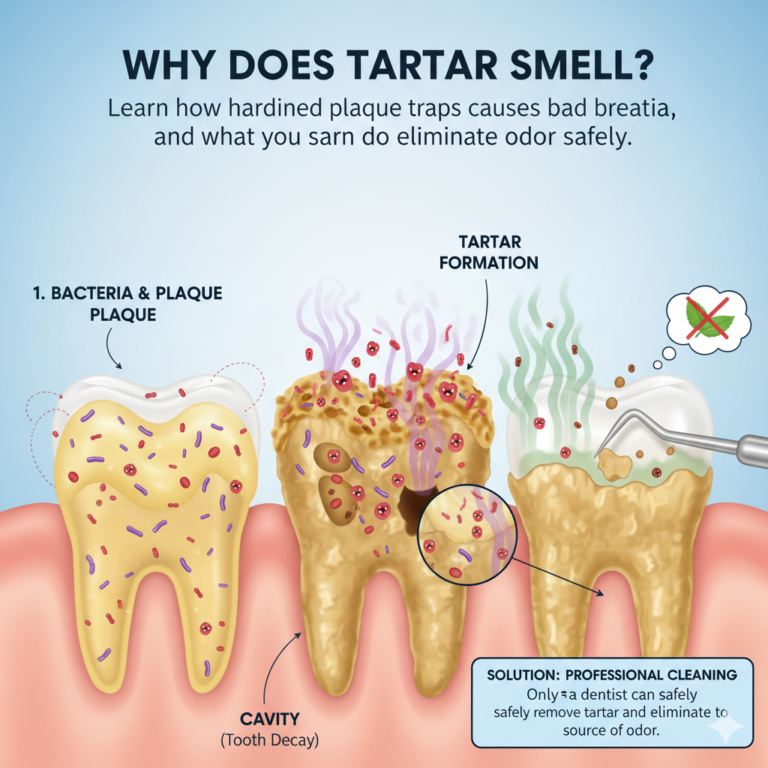
Tartar, also called dental calculus, develops when dental plaque remains on the teeth and absorbs minerals from saliva. Over time, the plaque hardens into a rough deposit that regular brushing and flossing cannot remove.
Hardened tartar can attract more plaque and bacteria. This may contribute to gum inflammation, bad breath, and periodontal disease. Good daily oral hygiene and regular professional cleanings are especially important for people taking medications that may increase tartar risk.
Drugs That Reduce Saliva
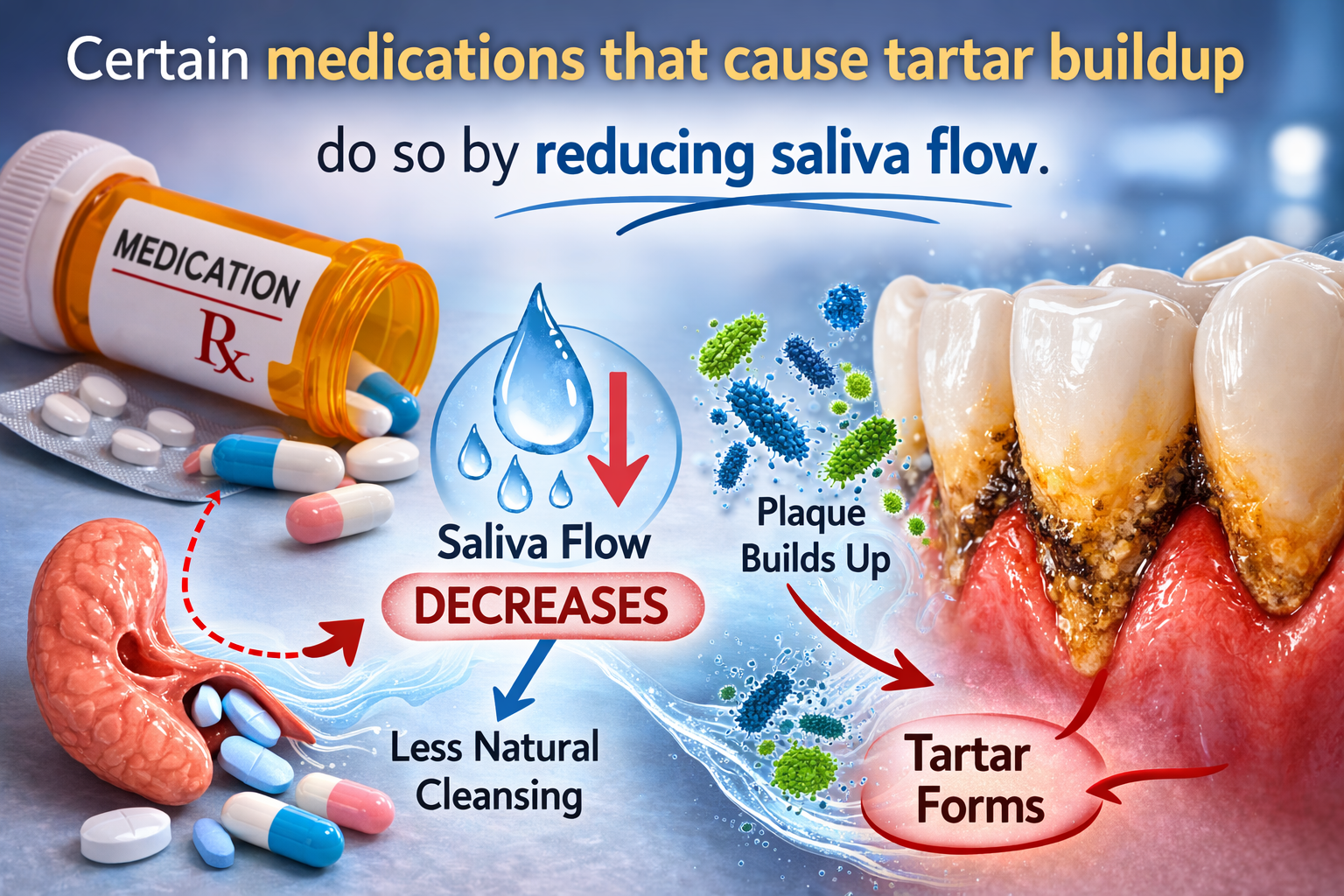
One common way medications may contribute to tartar formation is by reducing saliva flow. Saliva helps wash away food particles, neutralize acids, and control bacterial growth in the mouth.
Common medication categories associated with dry mouth include:
- Antihistamines
- Antidepressants
- Blood pressure medications
- Decongestants
- Certain anti-anxiety medications
When saliva production decreases, the mouth loses some of its natural cleansing ability. This condition is called xerostomia, or dry mouth. It can increase plaque retention and make daily oral care more important.
Dry mouth can also change the oral environment and make plaque easier to retain. Understanding these changes helps patients recognize why tartar may develop more quickly.
Impact of Dry Mouth on Tartar Formation
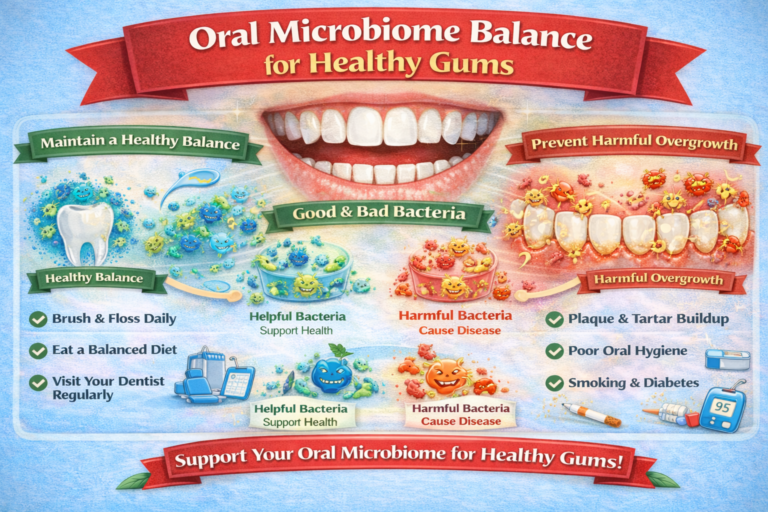
Reduced saliva allows plaque to remain on tooth surfaces for longer periods. The mouth may also become more favorable for bacterial growth and plaque mineralization.
As saliva flow decreases:
- Plaque remains on enamel longer
- Bacteria can multiply more easily
- Acid levels may increase
- Plaque can mineralize more quickly
As a result, tartar may form faster and accumulate along the gumline or between teeth. People taking long-term medications that affect saliva may notice faster plaque buildup and staining.
Hormonal changes can also influence saliva, gum tissue, and plaque response. Learn more about hormonal changes and tartar buildup and how these factors may affect oral health.
Support Your Daily Plaque-Control Routine
If dry mouth or medication use makes plaque control more challenging, a consistent oral care routine becomes even more important. Dental Pro 7 can be considered as part of a daily preventive routine alongside brushing, flossing, and professional dental care.
Discover Dental Pro 7 for daily oral care and plaque control as part of your preventive routine.
You can also explore similar dental health supplements and oral care products on Amazon.
Medications Affecting Gum Tissue
Some medications can influence gum tissue in addition to reducing saliva. These effects may include:
- Gum overgrowth, also called gingival enlargement
- Increased gum inflammation
- Changes in immune response
- Thickened or enlarged gum tissue
These changes can create deeper gum pockets and irregular surfaces. Plaque may then collect in areas that are harder to clean. Over time, retained plaque can harden into tartar and increase the risk of gum disease.
Certain calcium channel blockers, anticonvulsants, and immunosuppressants have been associated with gum overgrowth. The effect varies between individuals, so patients should discuss unusual gum changes with their dentist or physician.
Dietary habits can also affect plaque formation. For example, frequent sugar exposure may support bacterial activity that contributes to plaque accumulation around teeth.
Learn more about whether sugar causes tartar buildup on teeth and how dietary habits relate to plaque and oral health.
Warning Signs to Watch For
People taking medications that affect saliva or gum tissue should pay attention to changes in their oral health.
Common warning signs include:
- Persistent dry mouth
- A sticky or coated feeling on the teeth
- Rapid plaque accumulation
- Bad breath
- Swollen or bleeding gums
Recognizing these signs early can help patients seek dental advice before problems become more difficult to manage.
Lifestyle habits can also influence tartar formation. Smoking, for example, can affect the gums and change the oral environment around plaque deposits.
Read more about smoking and tartar formation and why smoking may affect oral health.
Management Strategies
If your medication affects saliva production or gum tissue, preventive oral care becomes especially important. Useful strategies include:
- Drink water regularly throughout the day
- Use saliva substitutes or sugar-free lozenges when appropriate
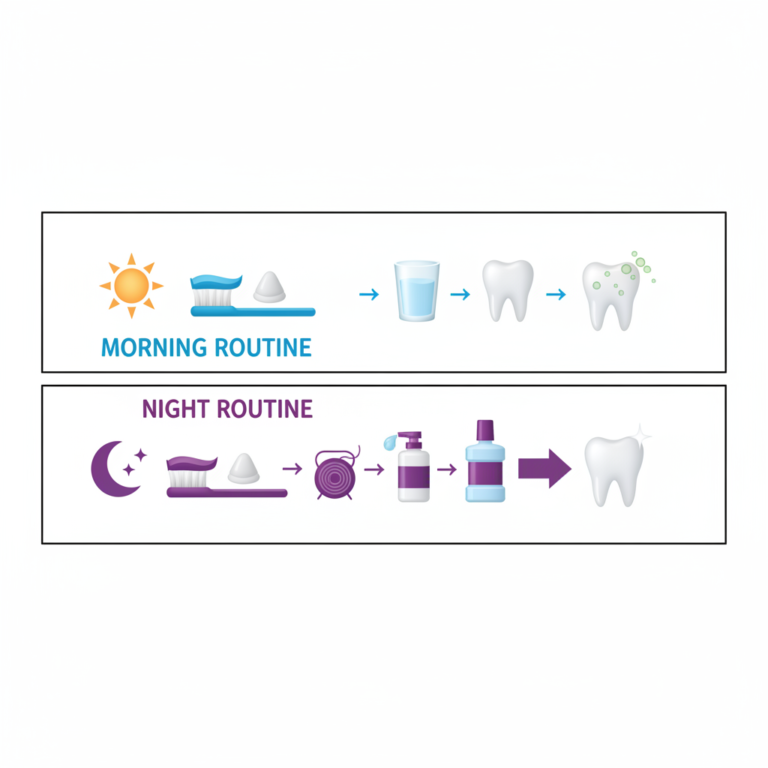
- Brush twice daily with fluoride toothpaste
- Clean between teeth every day
- Schedule regular professional dental cleanings
Regular dental visits allow dental professionals to remove hardened tartar and monitor gum health. People with higher tartar risk may benefit from a personalized cleaning schedule.
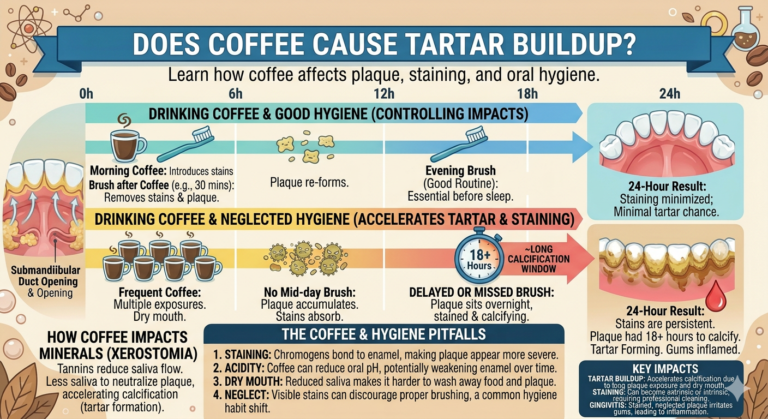
Coffee can also contribute to tooth staining and may affect the appearance of plaque and tartar. Learn how coffee affects tartar buildup on teeth and what daily coffee drinkers should know.
If dry mouth or gum changes continue, talk with your dentist and prescribing physician. They can review your symptoms and determine whether additional support or medication changes are appropriate.
Tartar can also affect tooth comfort when it contributes to gum irritation and other oral problems. Learn more about tartar and tooth sensitivity and when sensitivity may require professional evaluation.
People who experience medication-related dry mouth should maintain consistent plaque control and professional dental care. These steps can help protect the teeth and gums while continuing medically necessary treatment.
Learning about the Dental Pro 7 ingredients can also help patients understand how an oral care product may complement their daily plaque-control routine.
FAQ
1. Should I stop my medication?
Never stop or change prescribed medication without first discussing it with your physician.
2. Can mouthwash fix medication-related tartar buildup?
Mouthwash can help reduce bacteria and freshen the mouth. However, it works best as part of a routine that includes brushing, flossing, and professional cleaning.
3. Are all medications associated with tartar buildup?
No. Certain medications have a stronger association with dry mouth or gum tissue changes. The risk also varies between individuals.
4. What should I do if my medication causes dry mouth?
Drink water regularly and maintain consistent oral hygiene. Sugar-free lozenges or saliva substitutes may also help. Ask your dentist or physician for personalized advice if symptoms continue.
5. Can medication-related tartar be removed at home?
Brushing and flossing help control plaque, but hardened tartar generally requires professional dental cleaning. Regular dental visits are especially useful when medication-related dry mouth increases plaque retention.
One Comment