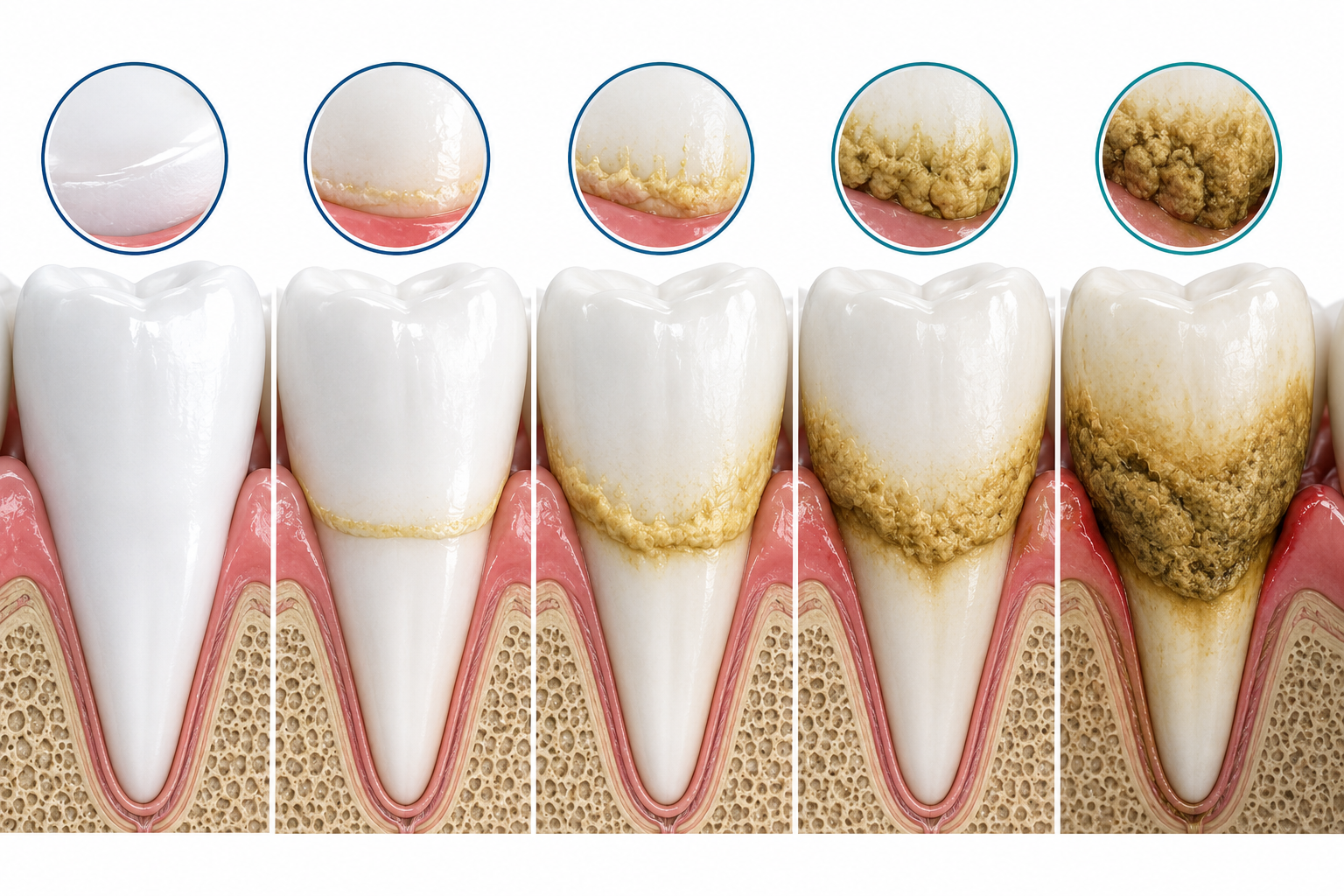
Understanding plaque formation stages helps you stop buildup before it becomes dangerous.
Plaque formation stages: Last Updated: July 24, 2026. Reading Time: 10 min read
Plaque does not appear instantly thick. It grows in layers and phases. Each phase has different removal difficulty.
Most people treat plaque as one condition. In reality, plaque passes through several stages. Early stages are easy to interrupt. Later stages require more effort.
This guide explains plaque formation stages in simple steps and shows how to break the cycle early.
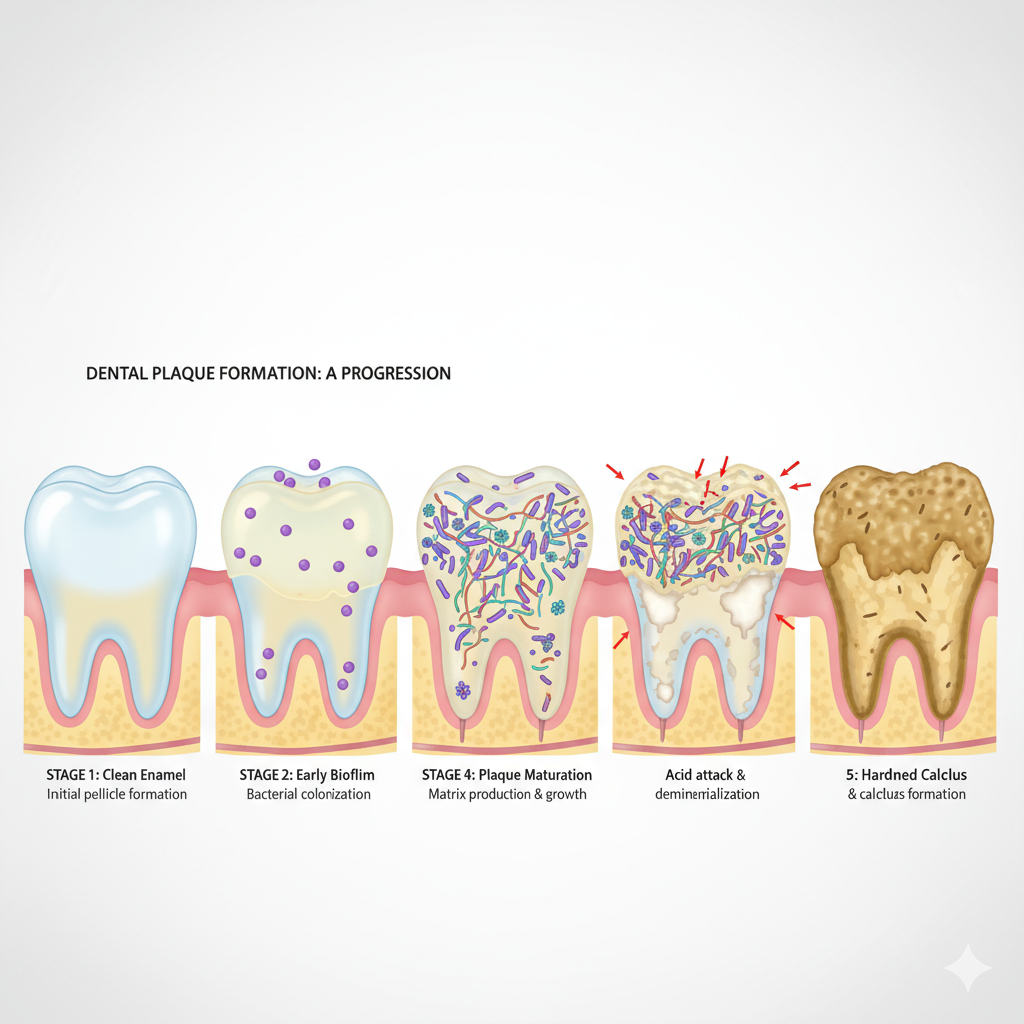
Stage 1 — The Protective Protein Film Forms First
The first plaque stage begins minutes after cleaning. A thin protein film forms on enamel. This layer comes from saliva.
For a more detailed explanation, How Plaque Forms on Teeth Step by Step illustrates how bacteria attach and multiply throughout the day.
The film is harmless alone.
However, it prepares a surface for bacteria.
Surface preparation starts growth.
Stage 2 — Bacteria Begin Attaching to the Tooth Surface
Next, bacteria attach to the film layer. They stick and begin multiplying.
Attachment happens quickly.
Quick response matters.
Rinsing after meals helps reduce early attachment.
💡 You can also explore similar dental health supplements and oral care products on Amazon Check availability here →
Why Early Plaque Is Much Easier to Remove
Early plaque is almost invisible and feels soft against the teeth. At this stage, bacteria have only recently attached to the protein film that naturally forms after cleaning. Because the biofilm has not yet matured, regular brushing and flossing are usually enough to remove it effectively.
Many people mistakenly believe their teeth remain completely clean until plaque becomes visible. In reality, bacterial colonies begin organizing within hours after brushing. This is why dental professionals encourage consistent daily cleaning rather than waiting until the teeth feel rough.
Removing plaque while it is still soft requires far less effort than trying to deal with hardened tartar later. Gentle brushing along the gumline, cleaning between the teeth, and avoiding frequent sugary snacks all help interrupt this early stage before mineralization begins.
Developing these simple habits each day can significantly reduce the amount of mature plaque that remains on the teeth and support healthier gums over time.
Support Healthy Gums Before Plaque Matures
Plaque develops naturally every day, but consistent oral care can interrupt its growth before it hardens. Some people also choose botanical oral care products to complement brushing, flossing, and regular dental checkups.
👉 Explore the Dental Pro 7 Review to learn how its botanical formula supports healthier gums and cleaner tooth surfaces as part of a complete oral hygiene routine.
Stage 3 — Soft Plaque Biofilm Develops
Bacteria create a sticky matrix. This forms soft plaque biofilm. At this stage, removal remains easy.
Soft plaque wipes away with brushing.
Learning How to Clean Plaque From Between Teeth helps remove biofilm from areas that toothbrush bristles often cannot reach.
Soft stage is ideal removal time.
Timing saves effort.
Stage 4 — Mature Plaque Becomes More Difficult to Remove
If not removed, the film thickens. Oxygen drops inside the layer. Different bacteria grow there.
Thick plaque irritates gums.
Irritation causes redness.
Daily removal prevents thickening.
Why Mature Plaque Becomes Harder to Control
As plaque remains undisturbed, its structure gradually becomes thicker and more organized. Different types of bacteria begin growing within the deeper layers, making the biofilm more difficult to remove with quick brushing alone.
At the same time, minerals naturally present in saliva begin interacting with the plaque. Although these minerals help strengthen tooth enamel, they may also contribute to the gradual hardening of plaque if it remains on the tooth surface long enough.
This transition explains why plaque should be removed consistently rather than occasionally. Once mineralization begins, home care becomes less effective and professional cleaning may eventually be required to remove hardened tartar safely.
Maintaining regular brushing, flossing, and professional dental visits remains one of the most effective long-term strategies for interrupting this cycle.
Stage 5 — Mineralization Start
Minerals from saliva begin hardening plaque. This early hardening stage begins near gumlines.
Hardening increases adhesion.
Adhesion makes removal harder.
Professional tools may be needed later.
How to Interrupt Plaque Formation Stages
Interrupt growth daily at soft stage. Brush twice daily with gumline detail.
Add interdental cleaning.
If plaque has already become visible, How to Remove Yellow Plaque From Teeth explains practical ways to improve daily cleaning before tartar develops.
Rinse after meals.
Frequent disruption stops layering.
Layering leads to hard deposits.
Daily Habits That Interrupt Plaque Development
Plaque forms continuously, making consistency more important than perfection. Small daily habits often have a greater long-term impact than occasional intensive cleaning sessions.
Brushing twice each day, flossing before bedtime, drinking enough water, and limiting frequent sugary snacks all reduce the amount of plaque available to mature. Paying extra attention to the gumline and the spaces between teeth also improves cleaning where plaque commonly accumulates first.
Many people benefit from slowing down their brushing routine instead of applying more pressure. Gentle, thorough brushing generally removes plaque more effectively than aggressive scrubbing that misses difficult areas.
These practical habits help interrupt plaque development before it progresses to more advanced stages.
Plaque Formation Stages and Night Risk
Nighttime increases plaque growth speed. Saliva flow drops. Bacteria multiply faster.
Night cleaning is critical.
Critical habits protect gums.
Never skip night brushing.
Understanding how plaque gradually hardens may help explain why tartar removal becomes more difficult once buildup thickens.
Tools That Help Interrupt Plaque Stages
Precision vibration tools help disrupt biofilm early. They target edges and pits.
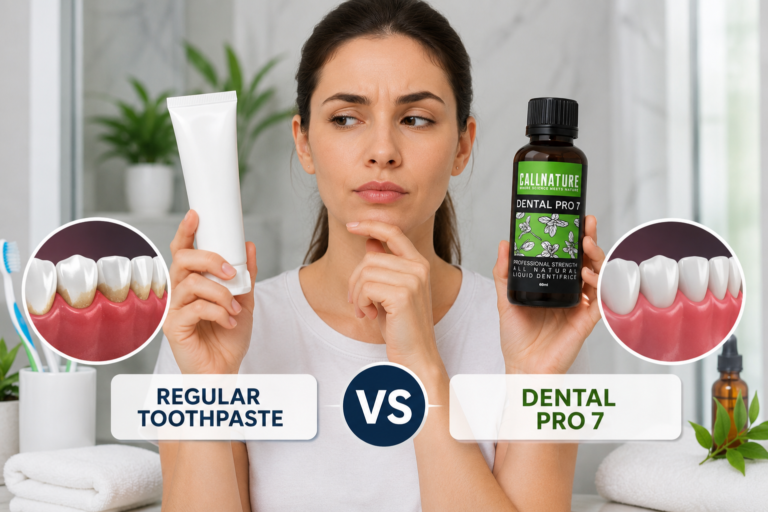
Readers interested in botanical oral care may also explore the Dental Pro 7 Gum Formula to understand the natural ingredients commonly used to support healthy gums.
Support tools add disruption power.
Disruption stops growth.
Use tools after brushing.
Behavior That Speeds Plaque Formation Stages
Frequent snacking speeds bacterial cycles. Sugary drinks increase adhesion.
Reduce frequency.
Before choosing supportive oral care products, many readers compare the Dental Pro 7 Review to learn about ingredients, experiences, and realistic expectations.
Frequency fuels growth.
Spacing meals helps.
Why Consistency Matters More Than Perfect Technique
Even excellent brushing techniques cannot prevent plaque from forming permanently because oral bacteria naturally return throughout the day. The goal of oral hygiene is not to eliminate all bacteria but to keep plaque from remaining long enough to mature.
Missing one brushing session is unlikely to cause immediate problems, but repeated inconsistency allows plaque to accumulate layer by layer. Over time, this increases the likelihood of tartar formation and gum irritation.
Creating a simple routine that can be followed every day is often more effective than using complicated methods inconsistently. Regular brushing, flossing, healthy eating habits, and professional dental care work together to support long-term oral health.
Consistency helps keep plaque in its earliest stages, where it is easiest to remove and least likely to contribute to gum disease.
FAQ
1. How quickly does plaque begin forming after brushing?
A thin protein film begins forming within minutes after cleaning, allowing bacteria to attach and start developing new plaque throughout the day.
2. When is plaque easiest to remove?
Plaque is easiest to remove during the early soft biofilm stage before it begins thickening or mineralizing into tartar.
3. Does every plaque buildup become tartar?
No. Plaque only hardens into tartar if it remains on the teeth long enough without being removed through regular oral hygiene.
4. Can rinsing after meals slow plaque formation?
Rinsing with water after meals may help remove food particles and reduce conditions that allow plaque to develop more quickly.
5. Why does plaque form again even after brushing?
Plaque naturally reforms because bacteria, saliva proteins, and food particles continuously interact inside the mouth. Consistent daily cleaning helps keep it under control.
Disclaimer
This article is provided for educational and informational purposes only and should not be considered medical or dental advice. Plaque formation is a natural biological process, and the speed at which it develops varies depending on oral hygiene habits, saliva composition, diet, and individual health factors.
The information in this article is not intended to replace professional diagnosis, treatment, or personalized recommendations from a licensed dentist or qualified healthcare provider. If you experience persistent plaque buildup, bleeding gums, tooth pain, or signs of gum disease, seek professional dental care promptly.
References to Dental Pro 7 and other oral care products are included for informational purposes only. These products are intended to complement—not replace—daily brushing, flossing, routine dental examinations, and professional cleanings. Statements regarding dietary supplements have not been evaluated by the U.S. Food and Drug Administration (FDA), and these products are not intended to diagnose, treat, cure, or prevent any disease.




3 Comments