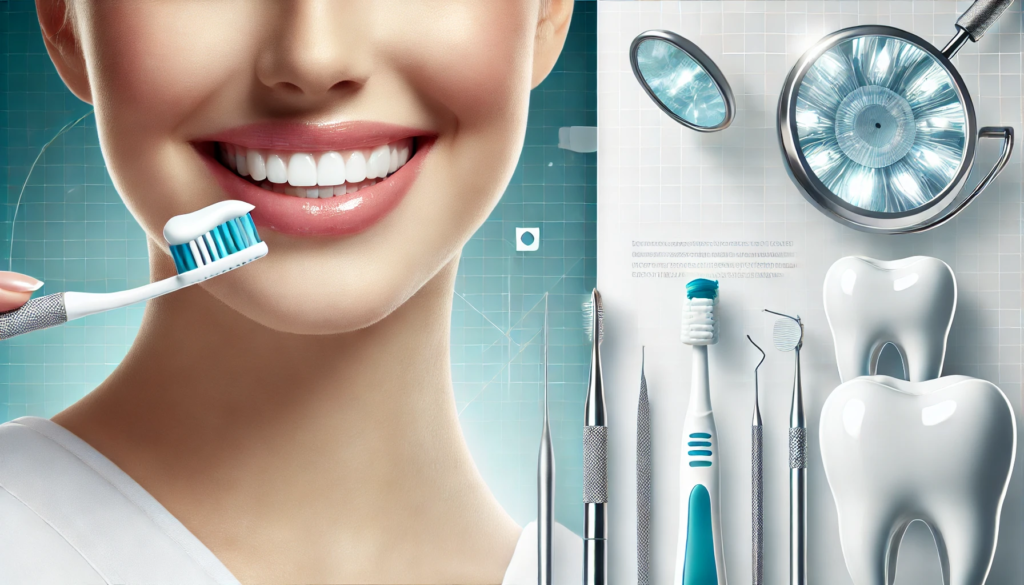
Remove Dental Plaque Effectively: Dental plaque is one of the most common oral health problems, yet many people misunderstand what it really is and how to remove it properly. If you feel a fuzzy layer on your teeth at the end of the day or notice buildup near your gumline, that’s plaque — a sticky bacterial film that constantly forms on tooth surfaces.
Plaque develops when bacteria in your mouth feed on sugars and starches from food. Within hours after eating, these bacteria create a biofilm that attaches tightly to enamel. If not removed daily, plaque thickens and can begin to harden into tartar. Once hardened, it becomes much more difficult to remove and often requires mechanical intervention.
💡 You can also explore similar dental health supplements and oral care products on Amazon.
Check availability here →
Most people rely on brushing alone. Unfortunately, brushing by itself often fails to remove plaque completely. Toothbrush bristles mainly clean exposed surfaces but struggle to reach tight gumline edges, interdental spaces, and deep molar grooves. That’s why people who brush twice daily can still develop buildup.
Proper plaque removal starts with brushing technique. Hold the brush at a 45-degree angle toward the gumline and use small circular motions instead of aggressive horizontal scrubbing. Pay extra attention to the back molars and the inner surfaces of the lower front teeth — two plaque hotspots.
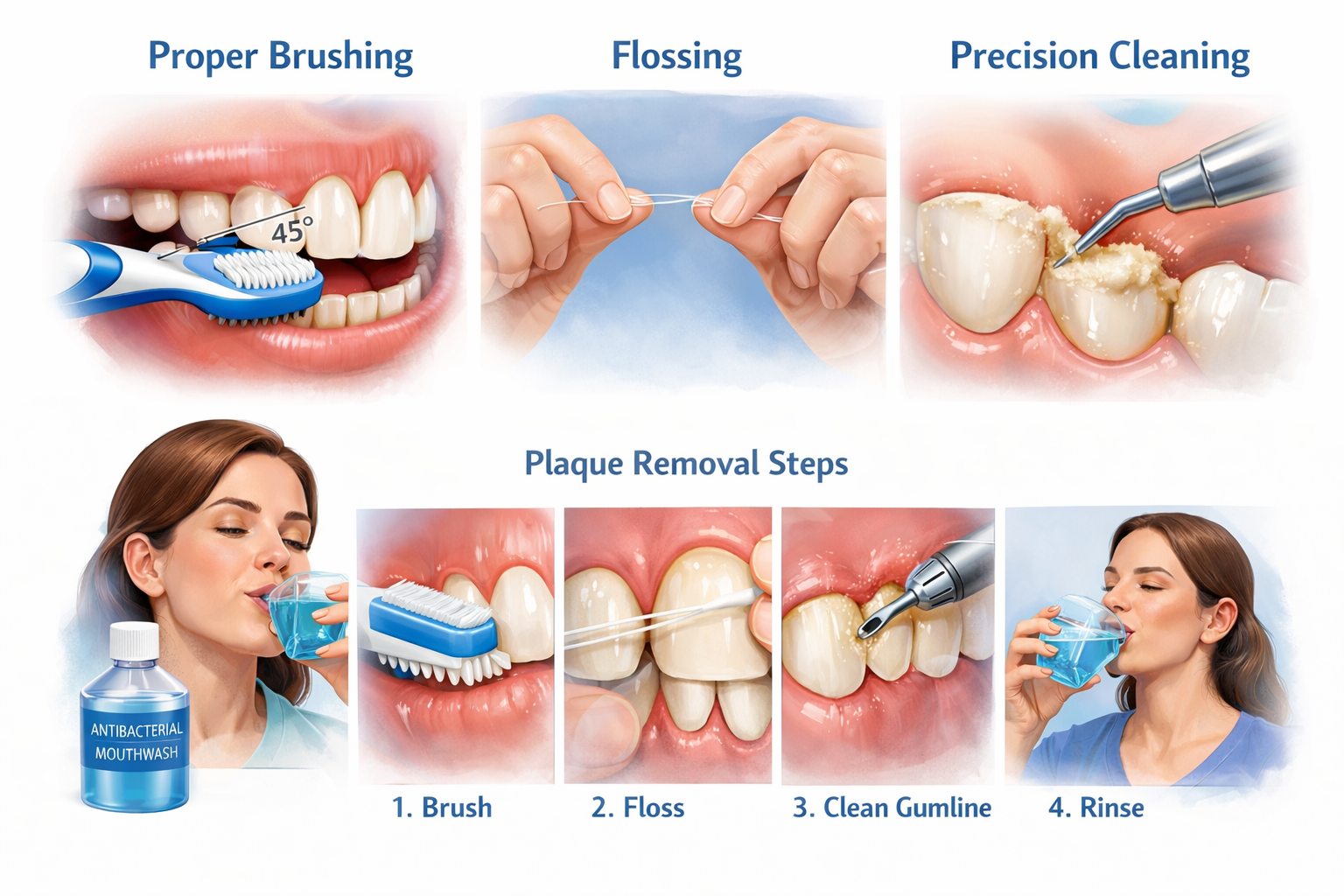
Next comes interdental cleaning. Flossing or using a water flosser removes plaque between teeth where brushes cannot reach. This step alone dramatically reduces total bacterial load. Many users who start daily flossing notice reduced gum bleeding within two weeks.
A third layer is gumline focus cleaning. This is where plaque attaches most strongly. Gentle angled strokes or soft-tip precision tools can help disrupt this attachment zone more effectively than flat brushing alone.
Modern home cleaning devices add another layer of effectiveness. Precision vibration tools are designed to break up plaque attachment with controlled motion rather than scraping force. These tools are especially helpful for people with recurring buildup, braces, or crowded teeth.
Add an antibacterial rinse as a final step. Mouthwash does not remove plaque physically, but it reduces bacterial count and slows regrowth. Choose alcohol-free formulas if you have sensitive gums.
Consistency matters more than intensity. Gentle daily disruption prevents hardening. Aggressive occasional scraping can irritate gums and should be avoided.
If you notice rough patches that remain after routine cleaning, that may indicate tartar formation. At that stage, deeper mechanical cleaning methods are usually needed.
 Dental Pro 7
 Dental Pro 7
 Want Deeper Plaque Removal at Home?
Standard brushing often misses gumline buildup.
Precision vibration cleaning can improve plaque removal results.
Check the Dental Pro 7 deep cleaning device here
Frequently Asked Questions (FAQ)
What is dental plaque and why is it harmful?
Dental plaque is a sticky film of bacteria that forms on teeth. If not removed regularly, it can lead to tooth decay, gum disease, and bad breath.
How can I remove dental plaque effectively at home?
You can remove plaque by brushing twice a day with fluoride toothpaste, flossing daily, and using an antibacterial mouthwash. Consistency is key to preventing buildup.
Can dental plaque turn into tartar?
Yes. If plaque is not removed, it hardens into tartar (calculus), which cannot be removed by brushing alone and requires professional dental cleaning.
Are natural remedies effective for plaque removal?
Some natural remedies like oil pulling or baking soda may help reduce bacteria, but they should not replace regular brushing, flossing, and professional dental care.
How long does it take to remove plaque?
Plaque can begin forming within hours, but consistent oral hygiene can remove it daily. Noticeable improvements in oral health can be seen within a few days to weeks.
What products can help reduce plaque buildup?
Products such as electric toothbrushes, water flossers, and antibacterial oral care supplements may help reduce plaque when used consistently as part of a daily routine.
When should I see a dentist for plaque issues?
If you notice hardened deposits, bleeding gums, or persistent bad breath, it’s best to see a dentist for professional cleaning and advice.