Best Toothbrushing Method for Plaque Control: What Actually Helps in Real Life
Best Toothbrushing Method for Plaque Control: Brushing your teeth sounds simple until plaque keeps returning no matter how carefully you brush.
A person may brush twice daily, use whitening toothpaste, and still notice rough buildup behind the lower teeth or bleeding near the gums. That often leads to frustration because the issue does not always come from brushing less. Sometimes it comes from brushing too fast, using too much pressure, missing certain areas repeatedly, or relying on habits that feel clean but leave plaque behind.
One of the biggest misconceptions about oral hygiene is that harder brushing automatically cleans better.
In reality, plaque control usually improves more from consistency, technique, and attention to neglected areas than from aggressive scrubbing.
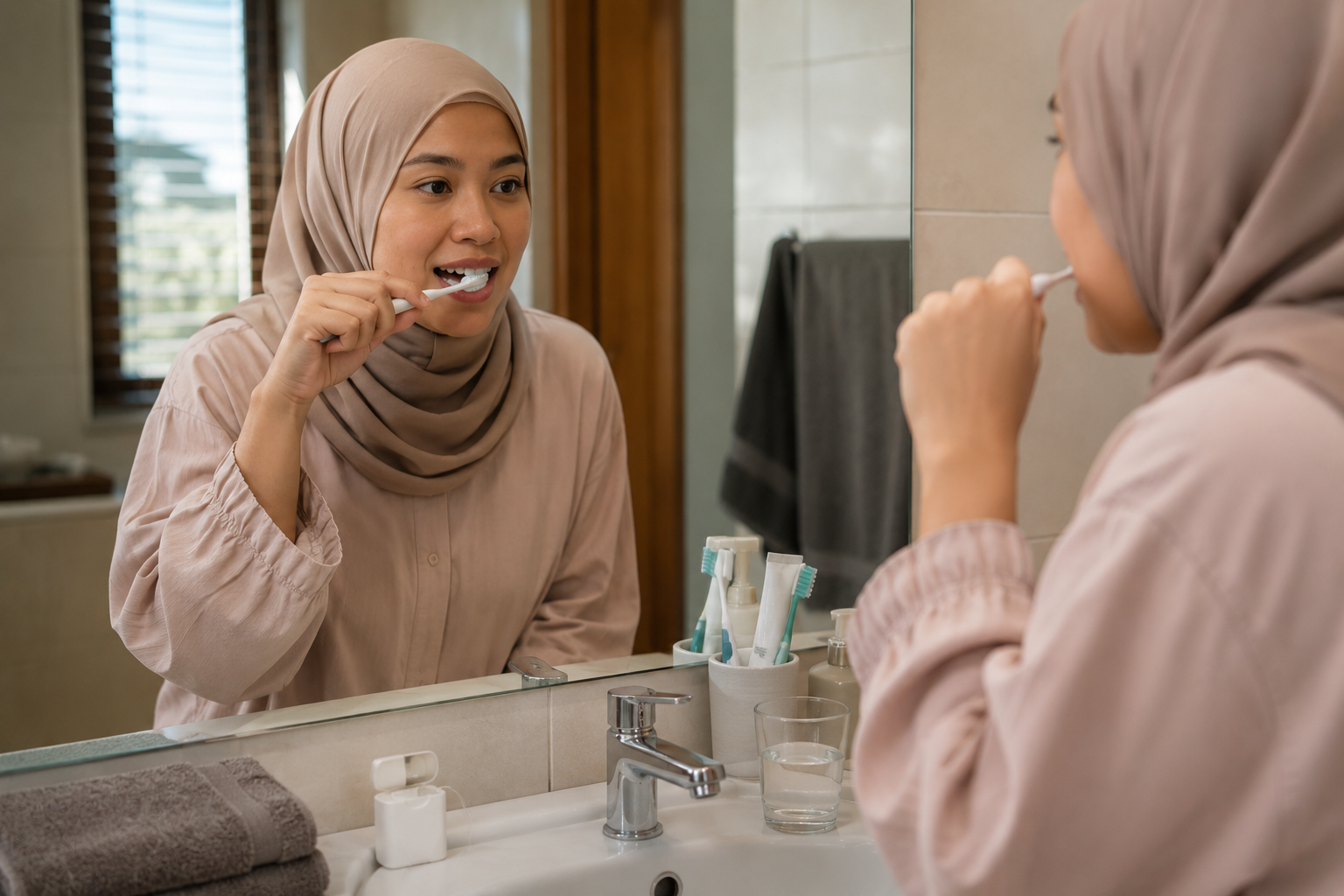
This article explains practical toothbrushing methods that tend to work better for plaque control in everyday life, along with common brushing mistakes that are rarely discussed clearly.
Effective brushing techniques play an important role in preventing plaque from hardening into tartar over time.
Why Plaque Builds Up Even When People Brush Regularly
Plaque is a sticky bacterial film that forms naturally on teeth throughout the day.
Even people with good oral hygiene still develop plaque because bacteria continuously interact with saliva, food particles, and the mouth environment.
The issue is not whether plaque forms. The real question is whether it gets removed consistently before it hardens into tartar.
A practical observation is that plaque usually collects fastest in predictable locations:
- behind the lower front teeth
- along the gumline
- between crowded teeth
- near permanent retainers
- around back molars
Additional reading: Why Tartar Build-Up Behind Lower Teeth Is So Common
The Most Common Toothbrushing Mistake Is Brushing Too Aggressively
Scrubbing Hard Does Not Mean Cleaner Teeth
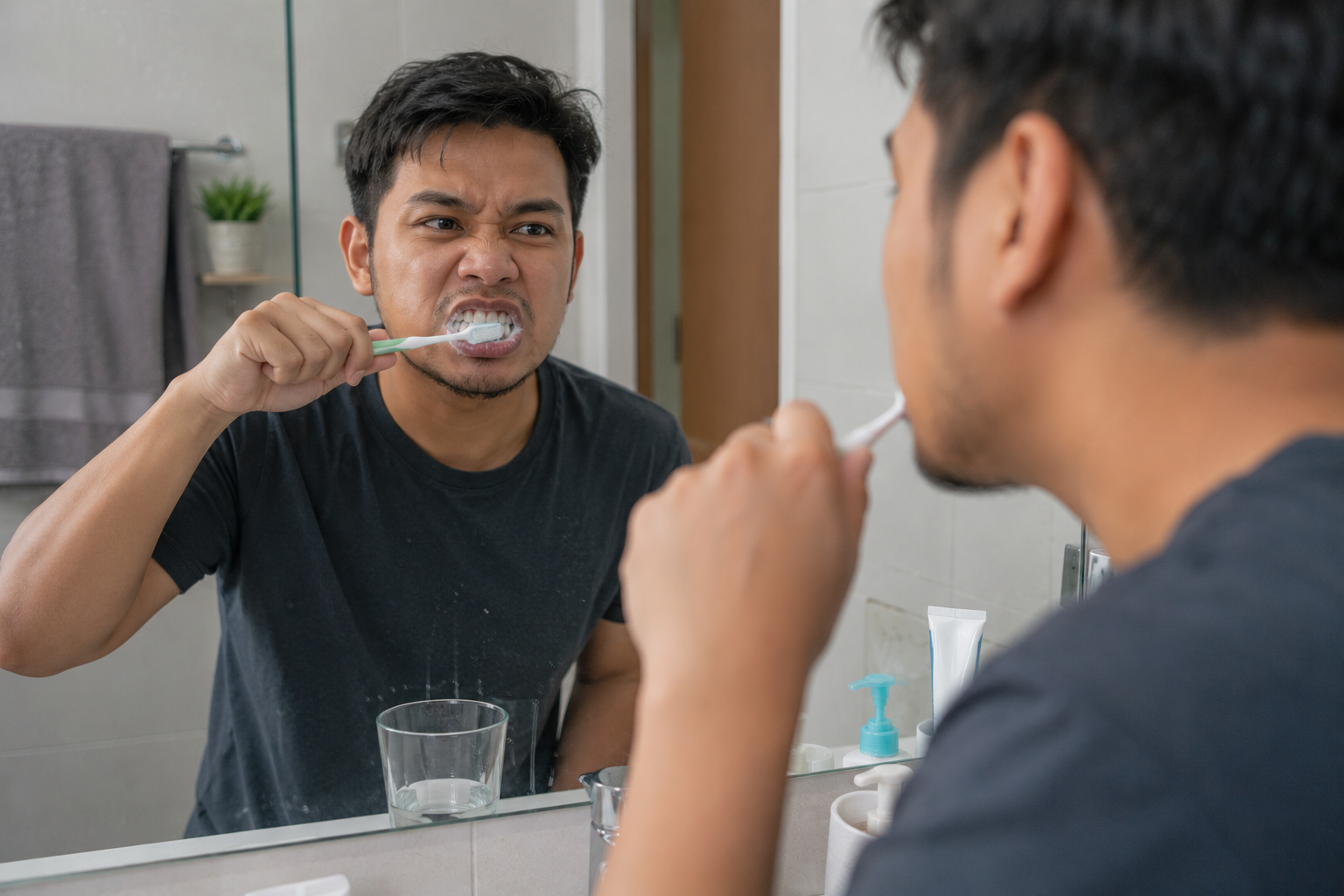
One pattern appears repeatedly in people struggling with gum irritation: brushing with excessive force.
Aggressive brushing may temporarily make the teeth feel smoother, but it can also irritate the gums and wear down sensitive areas near the gumline.
People sometimes mistake this “extra clean” feeling for better plaque removal when, in reality, the tissue is simply becoming irritated.
The American Dental Association recommends using a soft-bristled toothbrush and gentle brushing motions rather than harsh scrubbing.
Plaque Often Survives Near the Gumline
A surprising amount of plaque remains untouched because people brush mainly the visible middle surfaces of the teeth.
The gumline is usually where plaque starts becoming problematic.
Brushing slightly toward the gums using gentle angled movements often removes plaque more effectively than fast horizontal scrubbing.
A More Effective Toothbrushing Method for Plaque Control
Use Small Circular or Angled Motions
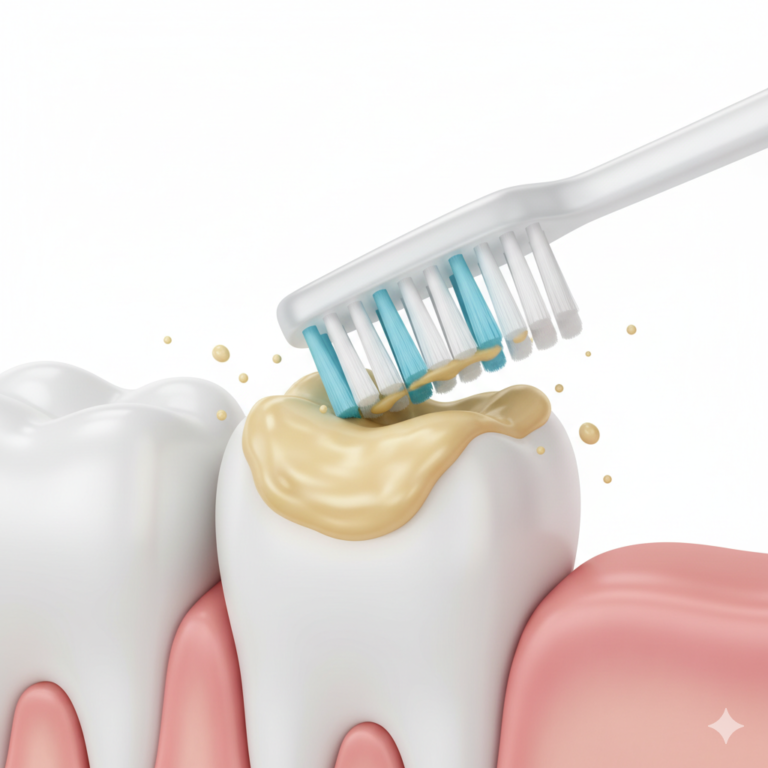
One of the most practical approaches is using gentle circular motions while angling the toothbrush slightly toward the gumline.
This helps the bristles reach areas where plaque tends to accumulate first.
The goal is not speed. Slower brushing usually cleans more thoroughly because fewer areas are skipped unconsciously.
Spend More Time in Neglected Areas
People naturally brush the easiest surfaces first and rush through difficult areas.
Plaque tends to remain longest:
- behind lower front teeth
- inside back molars
- near crowded teeth
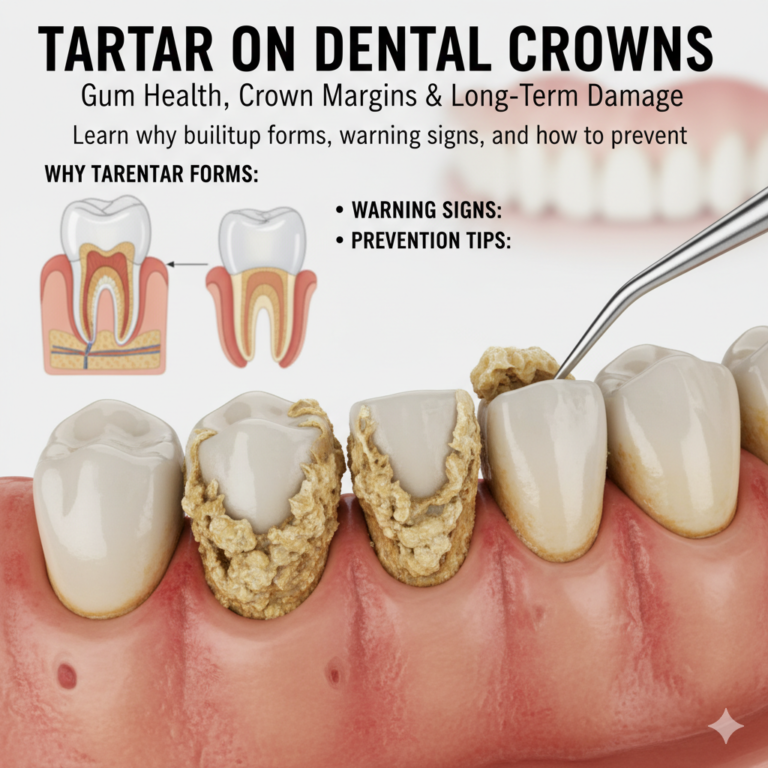
- around dental work
A useful real-world habit is intentionally slowing down in those specific locations instead of brushing the entire mouth with equal speed.
Two Minutes Often Feels Longer Than Expected
When people actually time their brushing, it is often shorter than they assumed.
Two careful minutes with proper attention generally works better than quick aggressive brushing with stronger pressure.
The Mayo Clinic also recommends brushing thoroughly twice daily with fluoride toothpaste to reduce plaque accumulation and gum problems.
Why the Lower Front Teeth Collect Plaque So Easily
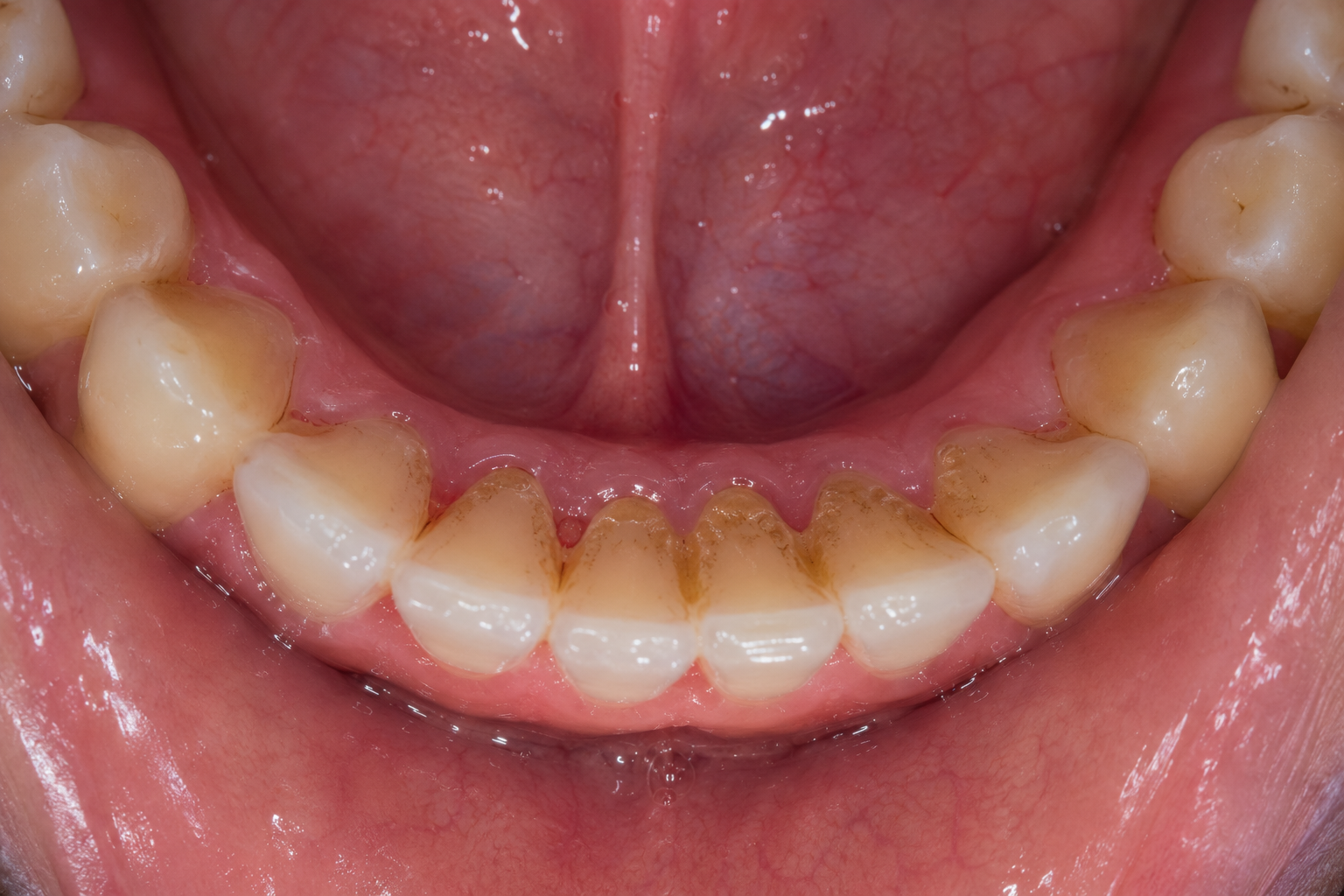
The lower front teeth are among the most frustrating plaque areas because saliva glands release minerals nearby.
When plaque stays in this location, it can harden relatively quickly into tartar.
Even people with otherwise healthy oral hygiene may notice rough buildup repeatedly in this exact area.
This becomes more common when:
- brushing is rushed before bed
- dry mouth develops overnight
- flossing is inconsistent
- coffee or smoking habits are frequent
Related article: Why Tartar Build-Up Behind Lower Teeth Is So Common
Toothbrush Type Matters Less Than Technique
People often spend more time searching for the “perfect toothbrush” than improving brushing habits themselves.
In reality, a soft-bristled toothbrush used correctly usually performs better than an expensive brush used aggressively.
Electric toothbrushes may help certain users brush more evenly, especially those who rush manual brushing. However, technique and consistency still matter more than gadget complexity.
A useful sign of excessive pressure is toothbrush bristles spreading outward quickly after only a short period of use.
Plaque Control Is Not Just About Brushing
Flossing Changes Areas a Toothbrush Cannot Reach
Plaque between teeth often survives even careful brushing.
This becomes especially important when gums bleed during flossing because bleeding sometimes signals plaque accumulation below the gumline.
Consistent flossing usually matters more than occasional aggressive flossing after long gaps.
Dry Mouth Can Make Plaque Feel Worse
Dry mouth changes how plaque behaves inside the mouth.
People often notice:
- sticky saliva
- fuzzy teeth shortly after brushing
- stronger morning breath
- rough texture near the gums
Hydration, sleep quality, mouth breathing, stress, and medications may all influence saliva flow.
The Cleveland Clinic identifies dry mouth as an important contributor to bacterial buildup and oral discomfort.
Oral Care Products Can Support a Better Routine
Supportive oral care products may help certain people maintain more consistent plaque control routines, especially when gums feel sensitive or irritated.
Readers researching gum-support oral care sometimes explore: Dental Pro 7 Review: Natural Support for Gum Health
People comparing oral hygiene tools also often look at:
- softer toothbrushes
- floss picks
- alcohol-free rinses
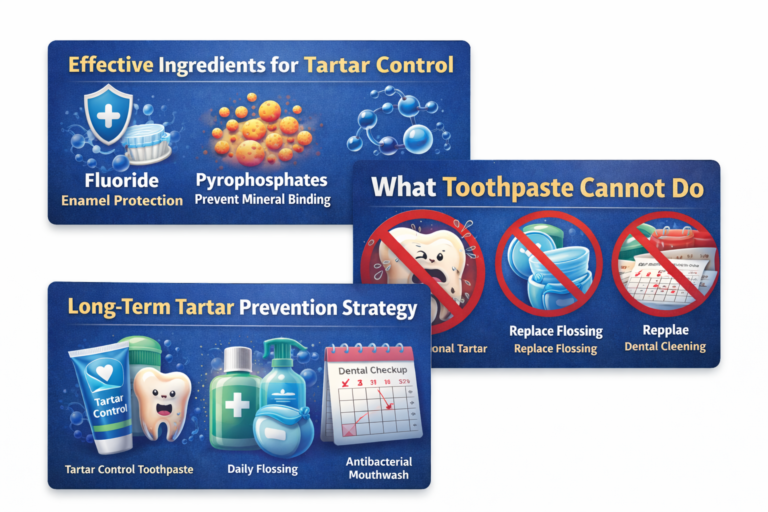
- tartar-control toothpaste
through retailers such as:
Plant-based oral care alternatives are also researched through: Callnature
For safety considerations: Dental Pro 7 Side Effects and Safety Guide
Pregnancy Can Change Plaque Accumulation Patterns
Pregnancy sometimes increases gum sensitivity and plaque buildup because of hormonal changes and dry mouth.
People who previously had stable oral hygiene routines may suddenly notice bleeding gums or tartar accumulation near the gumline.
Related reading: Tartar Buildup During Pregnancy: Causes and Prevention
Signs Your Brushing Routine May Need Improvement
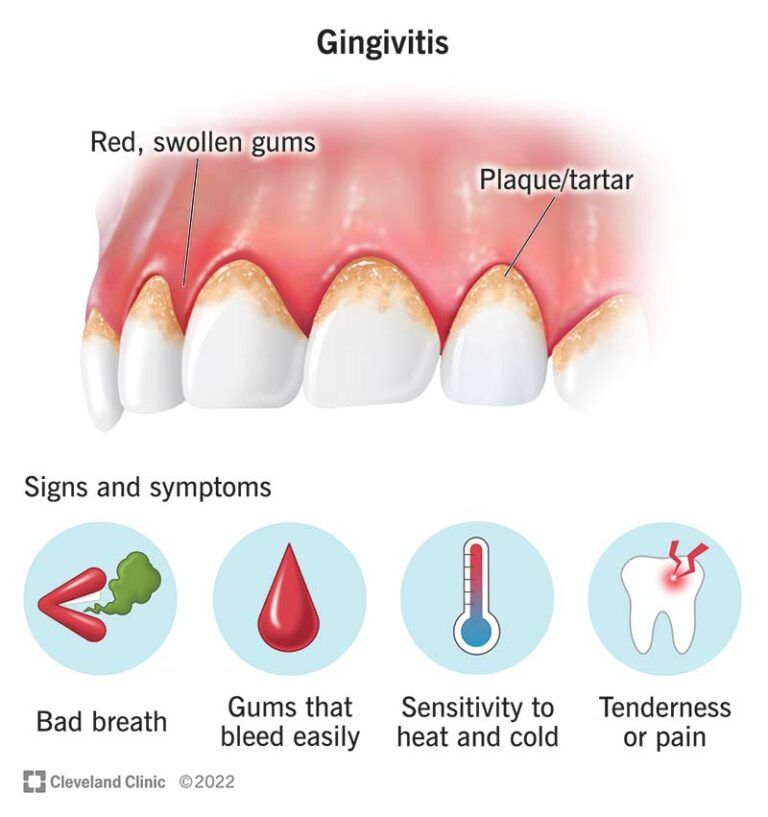
A brushing routine may not be cleaning effectively if you regularly notice:
- bleeding while brushing
- rough buildup behind teeth
- persistent bad breath
- swollen gums
- fuzzy teeth shortly after brushing
- visible tartar near the gumline
One overlooked detail is that plaque problems often develop gradually. The mouth may feel normal for months before tartar or gum irritation becomes obvious.
Final Thoughts – Best toothbrushing method for plaque control
The most effective toothbrushing method for plaque control is usually not the most aggressive one.
In real life, better plaque control often comes from slower brushing, gentler pressure, improved attention to neglected areas, and consistent daily habits.
One practical observation stands out repeatedly: people frequently focus on stronger toothpaste while overlooking brushing technique itself.
A calm, realistic routine tends to work better than constantly switching products or scrubbing harder.
Consistent brushing, flossing, hydration, and professional dental cleanings when needed remain the foundation of long-term plaque control.
FAQ – Best toothbrushing method for plaque control
What is the best brushing technique for plaque control?
Gentle circular or angled brushing motions near the gumline usually help remove plaque more effectively than hard horizontal scrubbing.
Why do I still get plaque even after brushing?
Plaque commonly remains near the gumline, between teeth, or behind lower front teeth where brushing is often rushed.
Can brushing too hard damage gums?
Yes. Excessive brushing pressure may irritate gums and contribute to gum recession or sensitivity.
How long should I brush my teeth?
Most dental organizations recommend brushing carefully for about two minutes twice daily.
Does dry mouth increase plaque buildup?
Yes. Reduced saliva flow may allow bacteria and plaque to accumulate more easily.
About the Author
Dental Pro 7 Ingredients Editorial Team – Best toothbrushing method for plaque control
The Dental Pro 7 Ingredients Editorial Team researches oral health topics related to plaque buildup, tartar accumulation, gum care, dry mouth, and preventive dental habits. Articles are developed using publicly available dental research, clinical references, and practical real-world oral care observations to help readers better understand everyday dental concerns in more realistic and balanced language.
Disclaimer – Best toothbrushing method for plaque control
This article is for informational and educational purposes only and does not provide medical advice, diagnosis, or treatment. Oral health conditions vary between individuals, and persistent symptoms such as bleeding gums, pain, or heavy tartar buildup should be evaluated by a licensed dentist or qualified healthcare provider.


2 Comments