Tartar After Teeth Cleaning: Why It Can Come Back and How to Prevent It
Tartar After Teeth Cleaning: Last Updated: August 27, 2026 | 9 min read
Many people expect professional dental cleaning to keep their teeth free from tartar permanently. Professional cleaning removes existing tartar, but plaque continues to form naturally after the appointment.
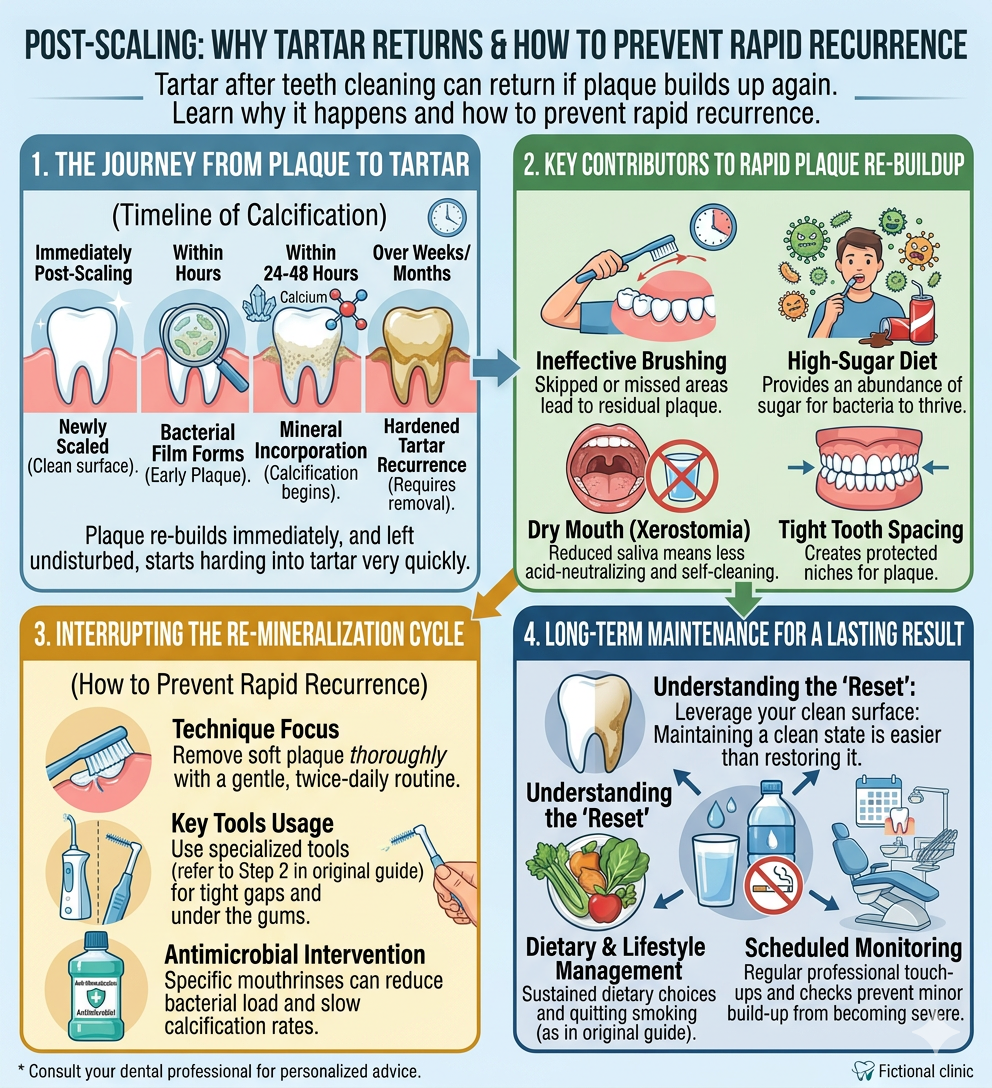
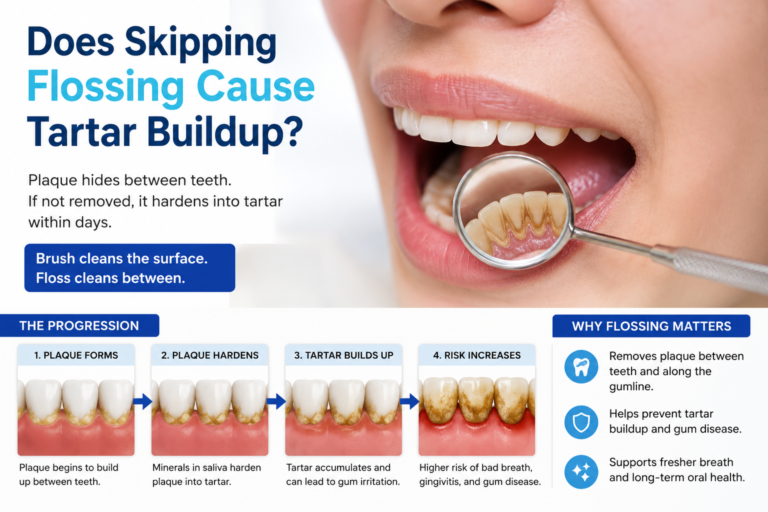
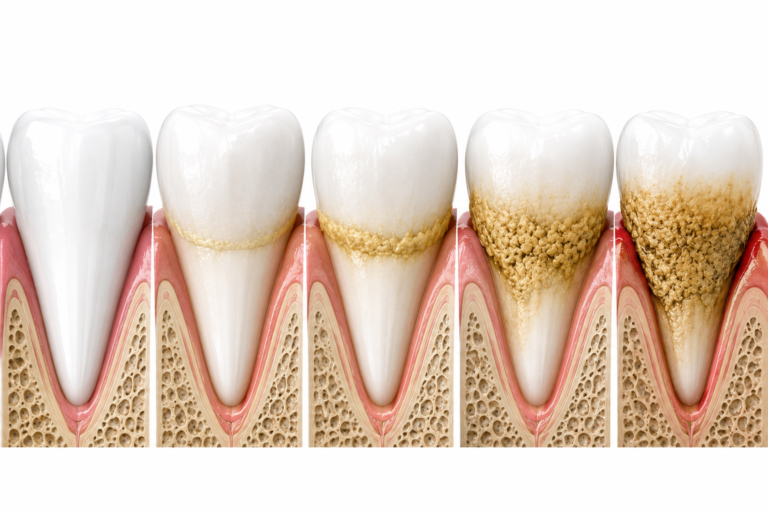
When plaque remains on tooth surfaces, minerals in saliva can gradually harden it into tartar. This process explains why some people notice new deposits weeks or months after professional cleaning.
Understanding the causes of tartar recurrence can help you maintain cleaner teeth and healthier gums between dental visits.
What Happens During Professional Teeth Cleaning?
During a professional cleaning, a dental professional removes plaque and hardened tartar from accessible tooth surfaces. The teeth may also be polished to reduce surface stains and leave them feeling smoother.
A dental examination can also identify gum inflammation, areas with recurring deposits, and other oral health concerns.
After the appointment, plaque begins accumulating again as part of the normal oral environment. Consistent home care therefore becomes essential for maintaining the results of professional cleaning.
Support Your Daily Oral Care Routine
Professional cleaning removes existing tartar, while daily oral hygiene helps control the plaque that develops afterward.
Dental Pro 7 can be considered as a supportive option within a structured daily oral care routine focused on maintaining cleaner tooth surfaces and healthier gums.
Explore Dental Pro 7 for daily oral care support →
Why Does Tartar Return After Dental Cleaning?
Tartar recurrence usually begins with new plaque formation.
Plaque is a soft bacterial biofilm that develops naturally on teeth. Brushing and interdental cleaning help remove it before it becomes mineralized.
Several factors can influence how quickly deposits return:
- Inconsistent brushing
- Incomplete interdental cleaning
- Crowded or overlapping teeth
- Saliva composition
- Smoking
- Frequent sugary foods and drinks
- Dry mouth
- Areas that are difficult to clean
The rate of tartar formation differs from person to person. Some people develop deposits more quickly even when they follow a regular oral hygiene routine.
For a broader explanation of professional tartar removal and prevention, read our complete tartar removal guide.
How Quickly Can Tartar Come Back After Cleaning?
The timing varies considerably between individuals.
Plaque can begin accumulating soon after brushing. Mineralization can then occur as plaque remains on tooth surfaces. The visible development of tartar may take longer and depends on individual factors such as saliva composition, oral hygiene, diet, tooth alignment, and smoking.
Common locations for tartar accumulation include:
- Behind the lower front teeth
- Around the inner surfaces of lower teeth
- Near the gumline
- Around crowded teeth
- Behind upper molars
Regular plaque removal helps slow the accumulation of new deposits.
Why Some People Develop Tartar Faster Than Others
Tartar formation depends on several factors rather than oral hygiene alone.
Saliva Composition
Saliva contains minerals such as calcium and phosphate that support tooth health. These minerals can also contribute to plaque mineralization when plaque remains on the teeth.
Individual differences in saliva composition can influence the rate of tartar formation.
Tooth Alignment
Crowded, overlapping, or irregularly positioned teeth can create areas that are harder to clean.
Plaque may remain in these locations even when someone brushes regularly.
Daily Oral Hygiene
Brushing technique and interdental cleaning influence how much plaque remains on the teeth.
Cleaning the gumline and spaces between teeth is particularly important for controlling plaque.
Lifestyle Factors
Smoking, frequent snacking, sugary beverages, and dry mouth can also influence plaque accumulation and overall oral health.
Understanding these risk factors allows you and your dental professional to create a more suitable maintenance routine.
Small Daily Habits Help Reduce Tartar Recurrence
Preventing tartar recurrence does not require an aggressive oral care routine. Consistency is more useful than excessive brushing pressure.
Focus on the areas where plaque commonly accumulates.
Brush the Gumline Carefully
Hold the toothbrush at a gentle angle toward the gumline. Use small movements and light pressure to clean the area without irritating the gums.
Clean Between Your Teeth
Toothbrush bristles cannot completely reach every space between teeth. Floss or interdental brushes can help remove plaque from these areas.
Drink Water Throughout the Day
Water helps rinse away food particles and supports normal saliva function. Drinking water after meals can also reduce residue remaining on tooth surfaces.
Maintain a Consistent Routine
Brushing twice daily and cleaning between the teeth every day provide a practical foundation for plaque control.
Can Tartar Return Even With Good Oral Hygiene?
Yes. Tartar can still develop despite careful brushing and flossing because plaque formation is a natural process.
People vary in saliva composition, tooth alignment, diet, and other factors that influence mineralization.
Good oral hygiene can reduce plaque accumulation, but professional cleaning remains useful for removing hardened deposits.
If tartar appears soon after cleaning, discuss your daily routine and cleaning interval with your dental professional.
Why Tartar Can Return After Professional Cleaning
Professional cleaning removes existing deposits. It does not stop new plaque from forming.
After cleaning, bacteria begin accumulating again on tooth surfaces. When plaque remains undisturbed, minerals can gradually harden the deposit.
People who experience recurring deposits may benefit from reviewing their brushing technique, interdental cleaning, diet, smoking habits, and professional cleaning schedule.
Our guide to tartar after teeth cleaning explains this process in greater detail.
Tartar, Gum Health, and Tooth Sensitivity
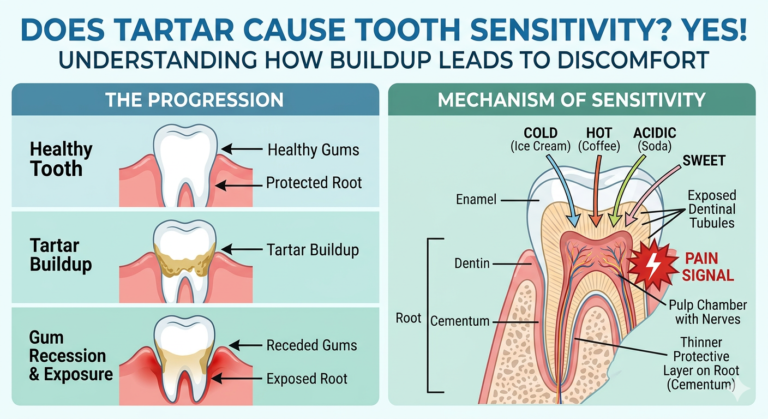
Tartar can contribute to gum inflammation when deposits remain around the gumline.
Persistent gum inflammation may contribute to gum recession. When tooth roots become exposed, sensitivity to cold, heat, sweets, or brushing can develop.
If you experience sensitivity together with recurring tartar, our guide on tartar and tooth sensitivity explains how gum changes and exposed root surfaces can contribute to discomfort.
Sensitivity can also result from cavities, enamel wear, cracks, or other dental conditions. Persistent symptoms deserve professional evaluation.
How to Slow Tartar Recurrence Between Cleanings
A practical prevention routine includes:
- Brush twice daily for approximately two minutes.
- Use fluoride toothpaste.
- Clean between teeth every day.
- Pay particular attention to the gumline.
- Drink water regularly.
- Limit frequent sugary snacks and beverages.
- Avoid smoking.
- Attend professional dental examinations.
- Follow the cleaning interval recommended by your dentist.
The goal is consistent plaque control rather than aggressive brushing.
When Should You Schedule Your Next Dental Cleaning?
Many people receive professional dental cleanings approximately every six months. However, the ideal interval depends on individual oral health.
People who develop heavy or recurring tartar may require more frequent professional maintenance.
Your dentist may recommend a shorter interval when there is:
- Rapid tartar accumulation
- Gum inflammation
- Periodontal disease
- Deep periodontal pockets
- Difficulty controlling plaque
- A history of recurring deposits
Following an individualized maintenance schedule can help manage tartar more effectively.
Natural Oral Care Ingredients and Daily Gum Support
Some people also examine oral care ingredients when choosing products for their daily routine.
Ingredient transparency can help consumers understand what a product is designed to provide and how it fits within their broader oral hygiene habits.
Mentha Arvensis and Cooling Oral Care Support
Mentha arvensis herbal extract is an ingredient that interests consumers looking for a refreshing and cooling oral care experience.
Our detailed Mentha arvensis herbal extract review explains the ingredient and its potential role in oral care formulations.
Punica Granatum Seed and Antioxidant Support
Punica granatum seed is another botanical ingredient studied for its antioxidant-related properties.
Readers interested in botanical oral care can explore our Punica granatum seed review for additional information about this ingredient and its role in supportive oral care formulations.
These ingredients can be considered part of product formulation information. Daily brushing, interdental cleaning, and professional dental care remain the foundation of tartar prevention.
What If Tartar Returns Very Quickly?
Rapid recurrence deserves attention.
If you notice rough deposits shortly after a professional cleaning, ask your dentist to assess your teeth and gums.
Your dental professional may review:
- Brushing technique
- Interdental cleaning
- Tartar location
- Gum condition
- Saliva-related factors
- Smoking habits
- Cleaning frequency
A personalized assessment can identify factors that contribute to recurring deposits.
Is Tartar After Teeth Cleaning Normal?
Tartar can develop again after professional cleaning because plaque naturally forms on teeth.
The important goal is to minimize plaque accumulation between appointments.
Consistent brushing, interdental cleaning, healthy dietary habits, and professional maintenance can help control recurrence.
Professional cleaning remains the appropriate method for removing hardened tartar.
Can Tartar Be Prevented Completely?
Complete prevention is difficult because plaque formation occurs naturally.
However, you can significantly reduce plaque accumulation and slow tartar formation through consistent oral hygiene and professional care.
The most effective strategy combines:
- Twice-daily brushing
- Daily interdental cleaning
- Regular dental examinations
- Professional tartar removal
- Healthy dietary habits
- Adequate hydration
- Smoking cessation
Consistency provides the strongest foundation for long-term oral health.
Conclusion – Tartar After Teeth Cleaning
Tartar after teeth cleaning can come back because plaque continues to form naturally after professional treatment. When plaque remains on tooth surfaces, minerals from saliva can gradually harden it into tartar.
The rate of recurrence differs between individuals. Saliva composition, tooth alignment, oral hygiene, diet, smoking, and other factors can influence how quickly deposits develop.
The best approach combines professional cleaning with consistent daily plaque control.
Brush twice daily, clean between your teeth, drink water, maintain healthy dietary habits, and follow the dental cleaning schedule recommended for your oral health needs.
Dental Pro 7 may complement a structured daily oral care routine as a supportive option alongside established dental hygiene practices.
Explore Dental Pro 7 for daily oral care support →
FAQ – Tartar After Teeth Cleaning
Why does tartar come back after cleaning?
Plaque begins forming again after professional cleaning. When plaque remains on the teeth, minerals can gradually harden it into tartar.
How soon can tartar return after a dental cleaning?
The timing varies. Plaque begins accumulating soon after cleaning, while visible tartar formation depends on individual factors such as saliva composition, oral hygiene, tooth alignment, diet, and smoking.
Can good brushing prevent tartar completely?
Good brushing and interdental cleaning can significantly reduce plaque accumulation. However, some tartar can still develop because plaque formation is a natural process.
Why do I get tartar faster than other people?
Individual saliva composition, tooth alignment, oral hygiene, diet, smoking, and other factors can influence tartar formation.
Should I get my teeth cleaned every six months?
Six months is a common interval, but your dentist may recommend a different schedule based on your tartar accumulation and gum health.
Can tartar cause tooth sensitivity?
Tartar can contribute indirectly when gum inflammation and recession expose sensitive tooth-root surfaces. Other dental conditions can also cause sensitivity.
Can I remove tartar at home?
Hardened tartar requires professional dental removal. Daily brushing and interdental cleaning help control plaque before it becomes mineralized.
Can Dental Pro 7 remove hardened tartar?
Dental Pro 7 should be considered a supportive oral care product. Professional dental cleaning is the appropriate method for removing hardened tartar.

4 Comments