How to Remove Plaque from Gumline Safely (Without Damaging Gums)
How to Remove Plaque From Gumline Safely: Why Gumline Plaque Is the Most Dangerous Area: Many people brush the center of their teeth thoroughly but overlook one of the most critical zones—the gumline. This is the thin edge where your teeth meet your gums, and it is where plaque forms the fastest.
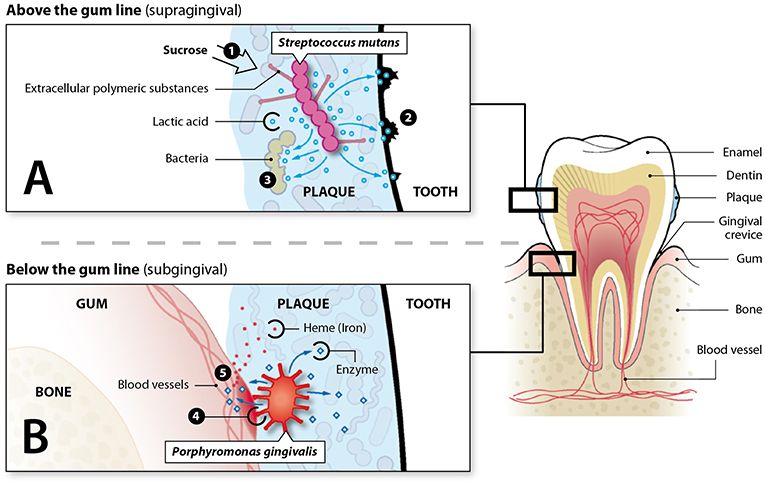
The gumline creates a small pocket (gingival sulcus) where food debris and bacteria easily collect. Over time, this buildup becomes the primary cause of gum inflammation, bleeding, and early gum disease.
If left untreated, plaque in this area can harden into tartar. To understand the difference and why timing matters, read our guide on plaque vs tartar differences and removal methods.
Most people brush their teeth daily—but still miss the most dangerous area where gum disease actually begins.
Why Gumline Plaque Forms Faster
The gumline is naturally more vulnerable due to its structure. Several factors increase the risk of buildup:
- Brushing only in horizontal motions
- Skipping flossing regularly
- Rushing your brushing routine
- Early gum recession creating deeper pockets
Because of these risks, focusing on gumline cleaning is essential for long-term oral health.
If you are already noticing swelling or discomfort, check our guide on gum swelling causes and treatment options for early intervention.
Why Gumline Plaque Is Dangerous
- Gum disease starts here
- Bacteria hide under gum edge
If you are already noticing symptoms like bleeding or sensitivity, you may be dealing with early gum issues. Learn more in this guide on
how to stop bleeding gums safely.
How to Remove Plaque from Gumline with the Correct Angle
Proper technique is the key to safe and effective cleaning.
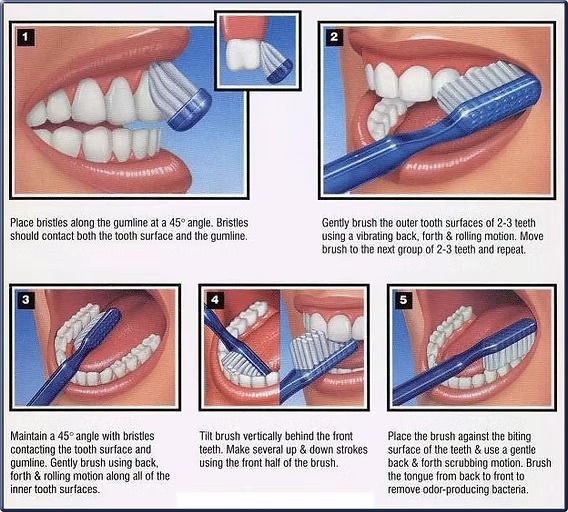
Use the 45-Degree Angle (Bass Method)
Hold your toothbrush at a 45-degree angle toward the gumline. This allows the bristles to reach slightly under the gum edge where bacteria hide.
Plaque buildup at the gumline is closely linked to early gum disease. You can explore deeper treatment options in this guide on
gingivitis treatment at home.
Use Small Circular Motions
Instead of scrubbing back and forth, use short, gentle circular movements. This helps loosen plaque without pushing it deeper.
Clean Small Sections
Focus on 2–3 teeth at a time. Moving slowly ensures better control and more effective cleaning.
🚫 Avoid:
- Aggressive horizontal scrubbing
- Fast brushing with no control
- Excessive pressure
💡 The goal is precision—not force.
In addition to manual brushing, precision tools can significantly improve gumline cleaning.
Safe options include:
- Vibration plaque cleaners
- Slim-tip electric toothbrush heads
- Interdental brushes for tight spaces
These tools help disrupt plaque attachment without applying excessive force.
💡 They work best when used gently and slowly. Control always matters more than power.
For a more advanced routine, you can combine this with deep teeth cleaning at home techniques to reach hidden areas more effectively.
Persistent plaque can also lead to bad breath caused by bacteria under the gums. Read more about this here:
bad breath treatment from gum causes.
Improve Your Gumline Cleaning Results
Regular brushing may not reach bacteria under the gumline. Using the right tools can significantly improve plaque removal and gum health.
👉 Check Best Gum Care Tools on Amazon
*Affiliate link – we may earn a small commission at no extra cost to you.
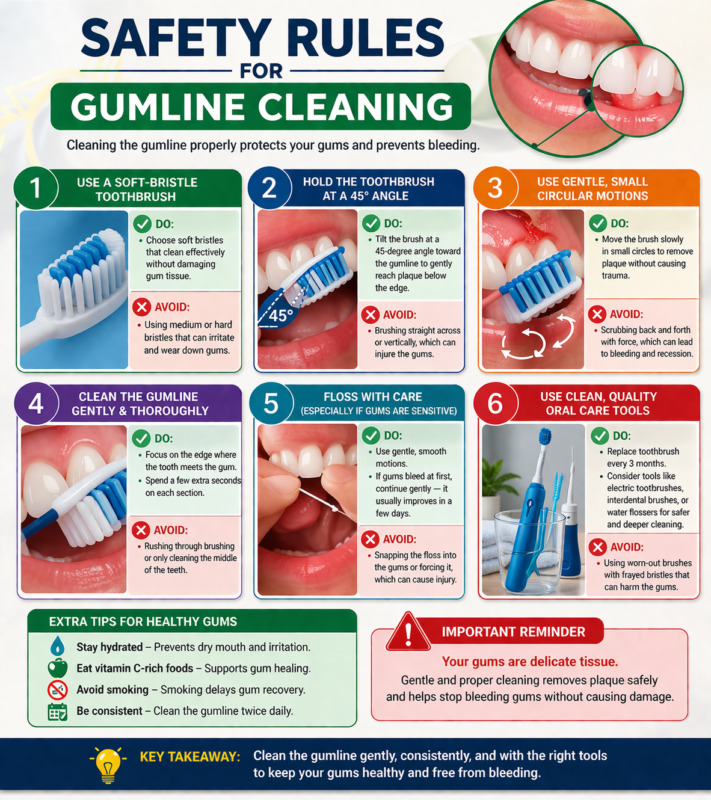
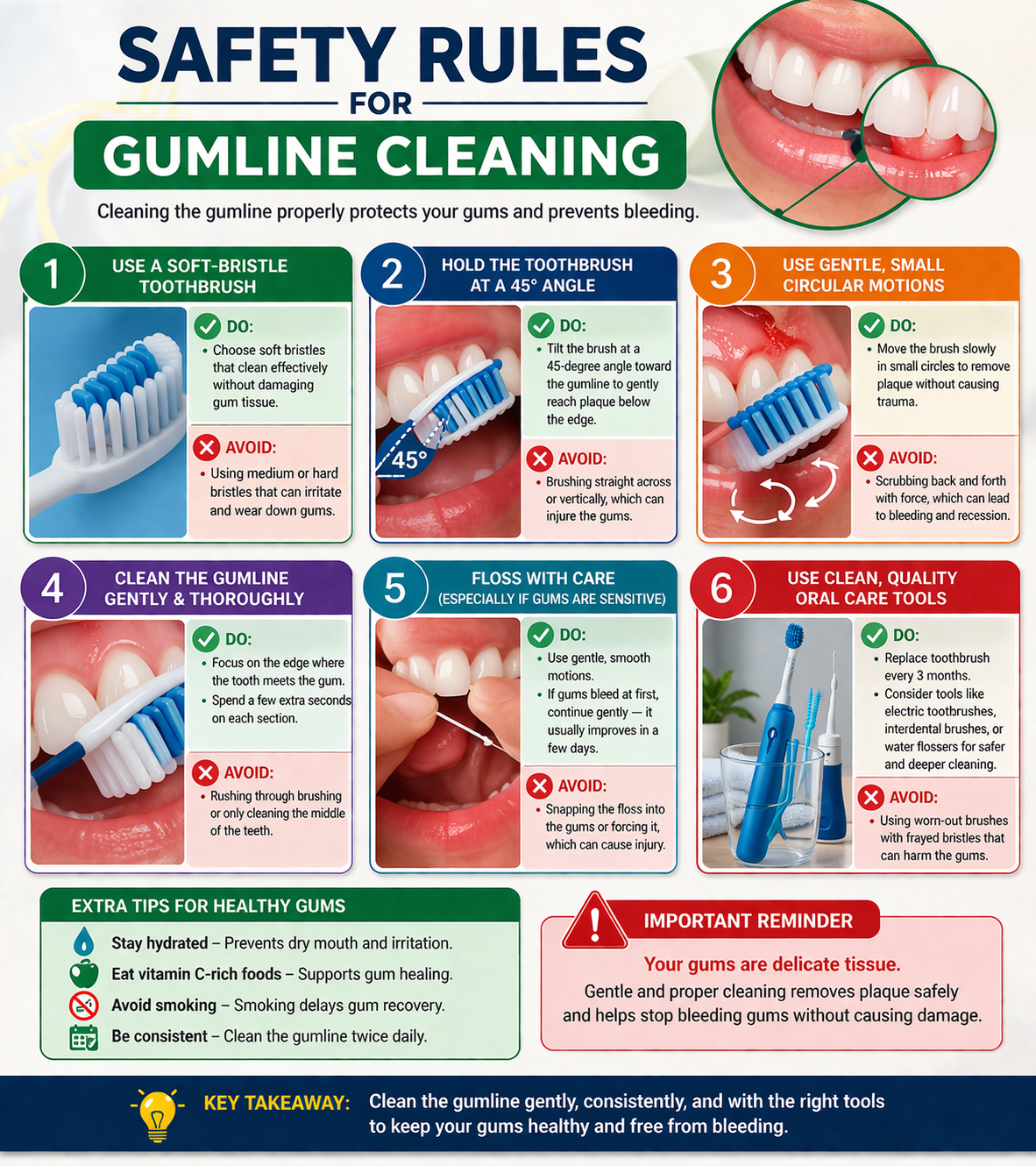
Safety Rules for Gumline Cleaning
Because the gumline is sensitive, safety is critical:
- Use light pressure only
- Stop immediately if pain occurs
- Avoid sharp or metal scraping tools
- Always use a mirror for visibility
- Clean in a well-lit area
These precautions help protect soft tissue and prevent long-term damage
Support Gumline Cleaning Naturally
Removing plaque is only half the solution—controlling bacteria is just as important.
A natural solution like Dental Pro 7 helps:
- Target harmful bacteria under the gumline
- Reduce inflammation and bleeding
- Support healthier gums long-term
👉 You can also explore oral care tools on Amazon
👉 Check Dental Pro 7 here
💡 Tip: Combine proper technique with antibacterial support for the best results.
FAQ — How to Remove Plaque From Gumline
Why does gumline plaque return quickly?
Because the gumline is a natural trap zone where bacteria and debris accumulate easily.
Can hard brushing remove gumline plaque faster?
No. Hard brushing can damage gums and push plaque deeper, making the problem worse.
What is the safest way to clean the gumline?
Using a 45-degree angle with gentle circular motions is the safest and most effective method.
How often should I focus on gumline cleaning?
Daily attention is recommended, especially during brushing and flossing routines.
Some oral care products are designed to target bacteria beneath the gumline more effectively. If you want to see how a natural formula works, check this detailed review here: Dental Pro 7 review for gum health.
Conclusion – How to Remove Plaque From Gumline
Removing plaque from the gumline requires precision, patience, and the right technique. This sensitive zone is where problems begin, but it is also where prevention is most effective.
By using the correct angle, gentle motion, and proper tools, you can safely remove plaque and protect your gums from inflammation and disease.
The key is consistency and control—not force. When combined with antibacterial support, gumline cleaning becomes one of the most powerful habits for long-term oral health.