
Bad Breath Treatment: Restore Fresh Breath & Confidence
Last Updated, October 30, 2026 | Min Read: 7 minutes
Bad breath, also called halitosis, can affect confidence and everyday conversations. Occasional odor after certain foods is common. Persistent odor deserves closer attention because it may be linked to oral hygiene, dry mouth, gum problems, or other health conditions.
Effective bad breath treatment starts by identifying the likely cause. A consistent routine can help control odor and support healthier teeth and gums.
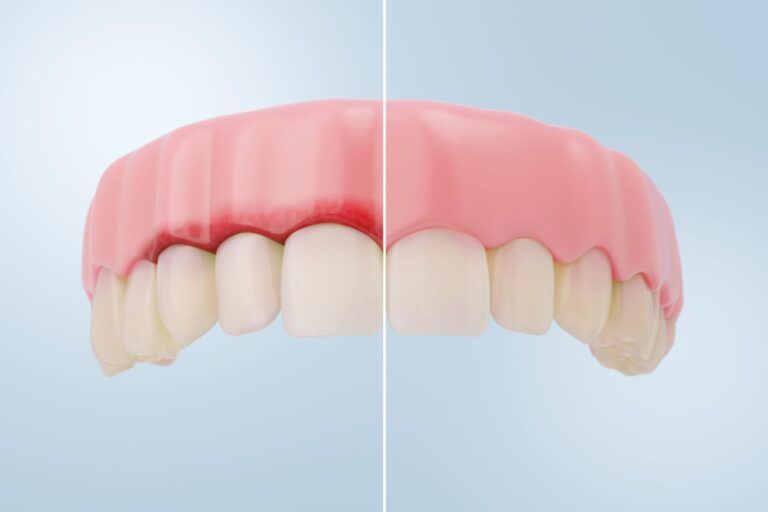
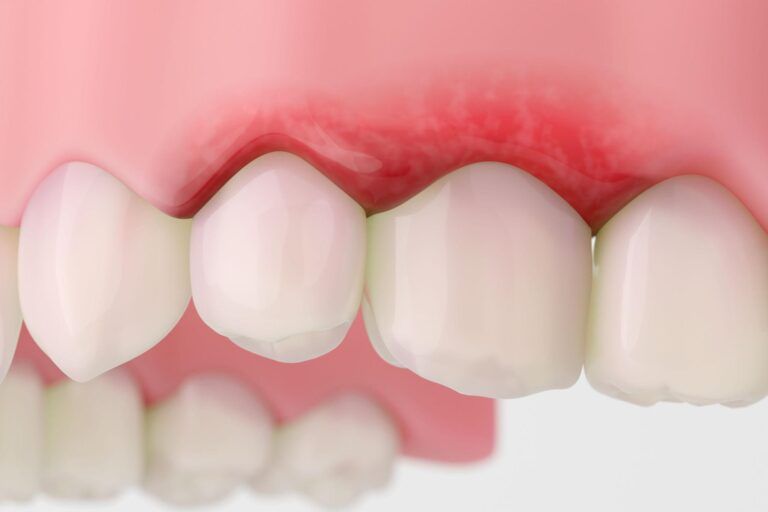
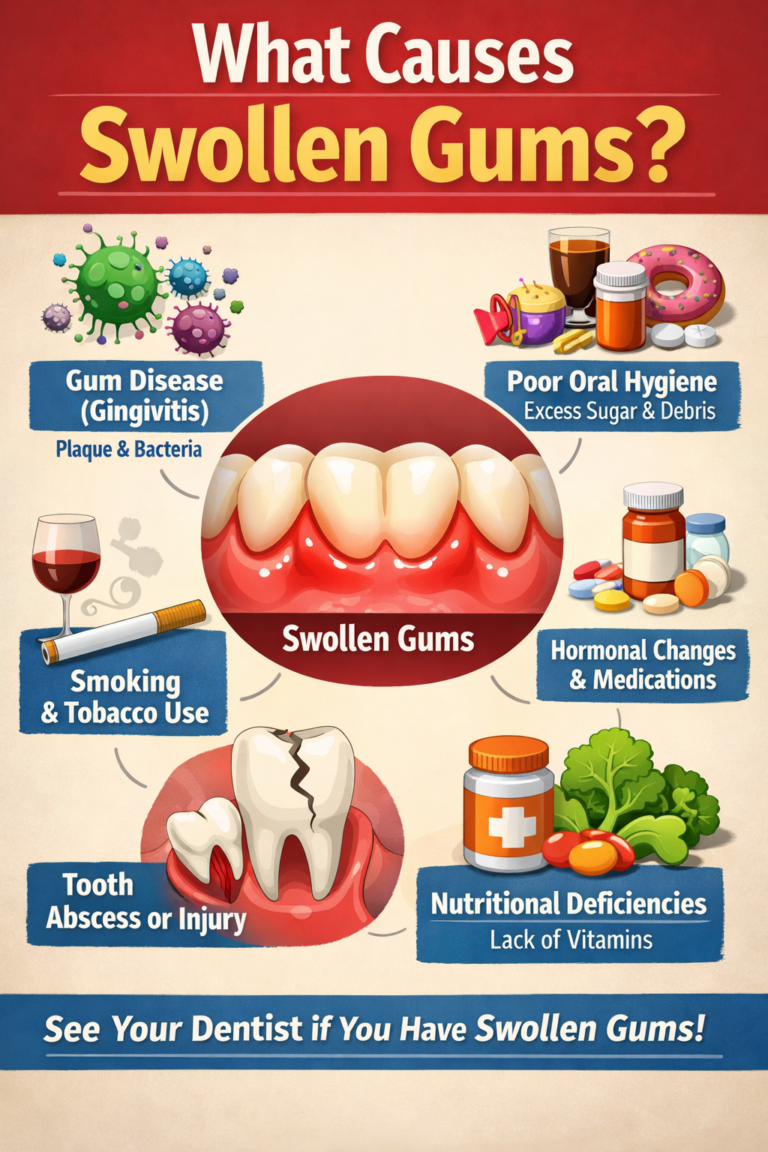
Bleeding gums may also signal gum inflammation. If you notice bleeding, read this bleeding gums treatment guide to understand possible causes and when to seek dental advice.
Bad Breath Treatment: Common Causes and Triggers
Bad breath treatment begins with finding the source. In many cases, odor starts inside the mouth.
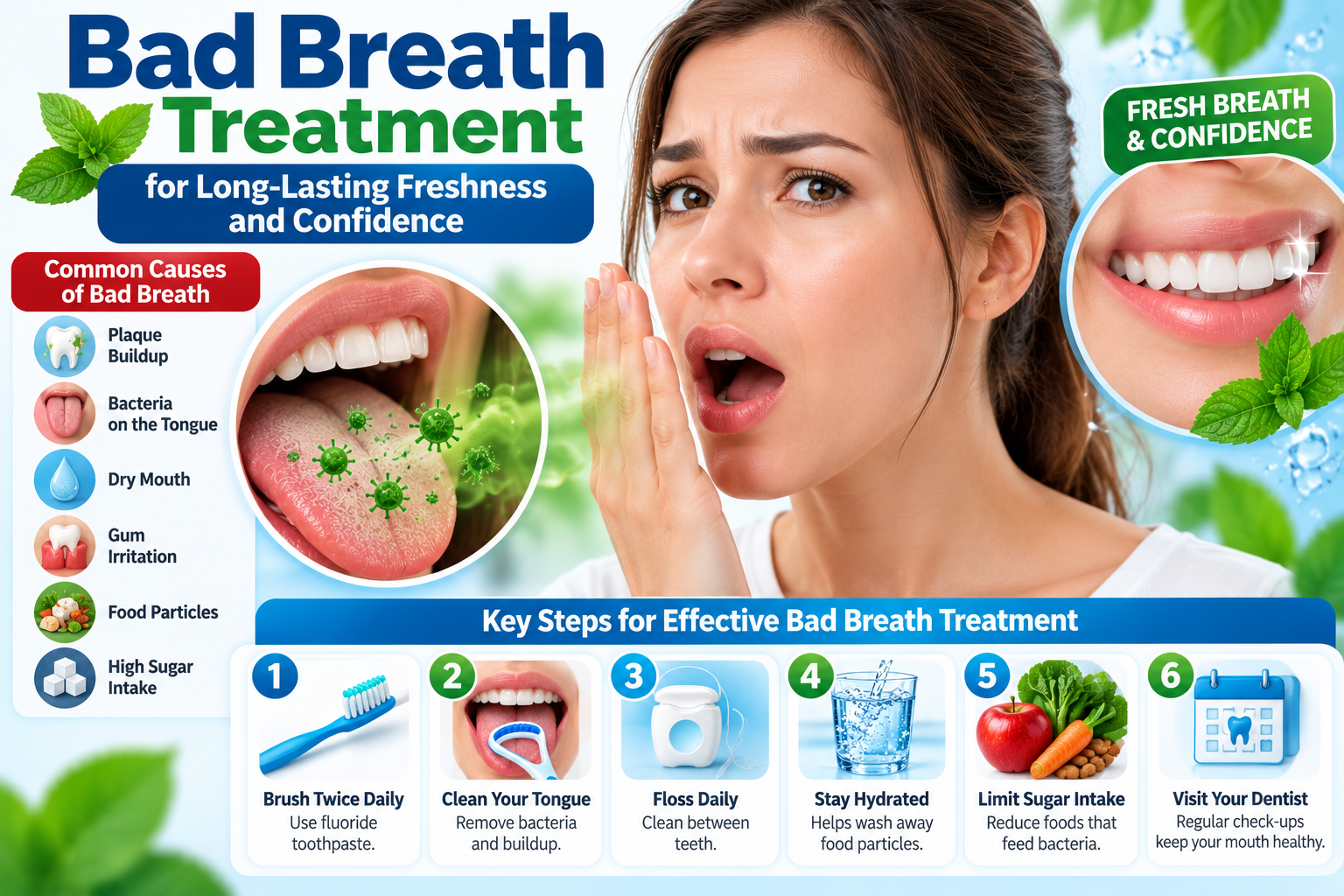
Common causes include:
- Plaque accumulation around teeth and the gum-line
- Bacteria and debris on the tongue
- Dry mouth or reduced saliva flow
- Gum inflammation or dental infection
- Food particles trapped between teeth
- Strong-smelling foods, tobacco, and some medicines
Oral bacteria can break down food debris and release volatile sulfur compounds. These compounds contribute to unpleasant breath. Dry mouth can make the problem worse because saliva helps cleanse the mouth. The American Dental Association explains several causes and management options in its bad breath guide.
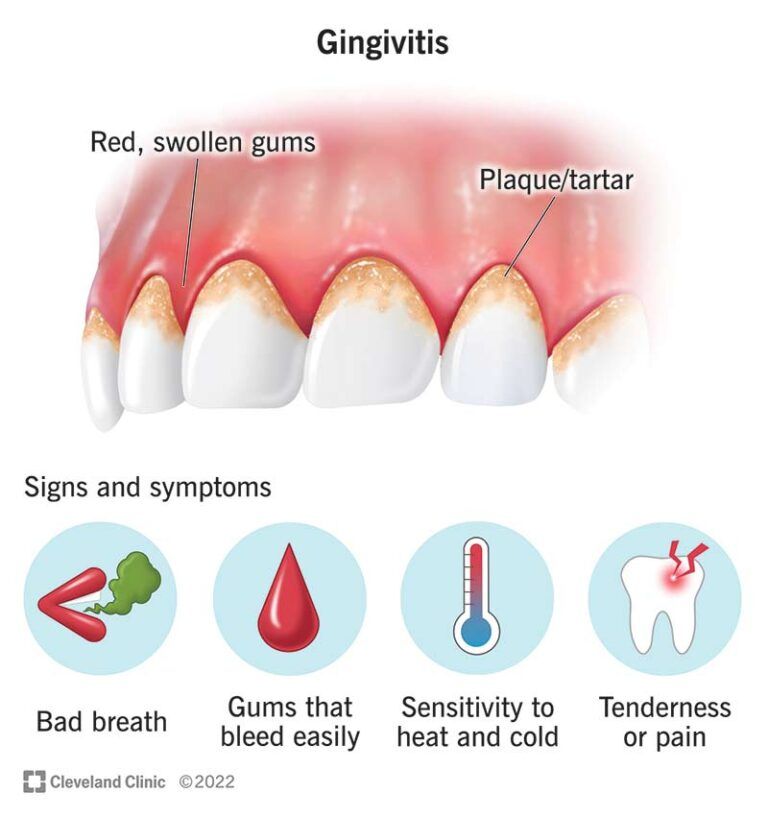
Plaque that remains along the gum-line can also contribute to gum irritation. Learn how plaque differs from hardened deposits in this guide to plaque vs. tartar buildup and gum health risks.
Signs You May Need Bad Breath Treatment
Consider a dental assessment if you notice these signs repeatedly:
- Persistent odor despite regular brushing
- A coated white or yellow tongue
- An unpleasant or metallic taste
- Gum bleeding, tenderness, or swelling
- A dry or sticky feeling in the mouth
These signs can have several causes. They do not confirm a diagnosis on their own. Persistent bad breath may sometimes accompany gum disease, cavities, or dry mouth. Read Gum Disease Early Signs You Must Not Ignore to learn which gum changes deserve attention.
Explore Dental Pro 7 as part of your daily oral care routine.
Dental Pro 7 is marketed as a gum-support oral care formula. It may be considered as one part of a consistent hygiene routine, based on its product information and your personal preferences.
Learn more about Dental Pro 7 →
It does not replace brushing, inter-dental cleaning, dental check-ups, or professional care for an underlying condition.
Daily Routine for Effective Bad Breath Treatment
A simple routine can reduce food debris and help manage odor. Follow these daily steps:
- Brush twice a day for two minutes with fluoride toothpaste.
- Clean between your teeth once a day with floss or an inter-dental cleaner.
- Clean your tongue gently if you find it helpful.
- Drink water regularly, especially when your mouth feels dry.
- Limit frequent sugary snacks and drinks.
- Clean dentures as directed and remove them at night if advised.
Mouthwash may provide extra support for some people. Its effect depends on the ingredients. Cosmetic rinses may mask odor temporarily, while some therapeutic rinses can help manage specific oral conditions. Use products according to their labels and ask your dentist which option suits your needs. See the ADA information on mouthrinse and mouthwash.
Tongue cleaning is an optional part of oral hygiene. It may help remove surface debris, although evidence that scraping alone prevents chronic bad breath is limited. The ADA explains this in its guide to tongue scrapers and cleaners.
Why Early Attention to Bad Breath Matters
Persistent bad breath can affect social comfort and confidence. It may also point to an oral health concern that needs attention.
- Plaque accumulation and gum inflammation
- Dry mouth
- Tooth decay or dental infection
- Food debris trapped around teeth or dental appliances
If odor continues despite careful daily cleaning, arrange a dental examination. A dentist can check for gum disease, cavities, infection, and dry mouth. If the mouth is healthy, a medical assessment may help identify other causes. The UK National Health Service also advises seeing a dentist when bad breath persists after self-care for several weeks: NHS advice on bad breath.
For further reading, explore why tartar buildup happens again. Hardened tartar can retain deposits near the gum-line and needs professional removal.
You can also learn how deposits may affect appearance in tartar buildup and tooth discoloration.
Some readers also ask whether oral deposits relate to general health. This article discusses the question carefully: high blood pressure and tartar: is there a connection? An association does not by itself prove that tartar causes high blood pressure.
When Bad Breath May Need Professional Assessment
Book a dental appointment if bad breath continues for several weeks despite consistent care. Seek advice sooner if you also have painful, swollen, or bleeding gums, toothache, loose adult teeth, or signs of infection.
Dry mouth can have several causes, including some medicines and health conditions. Do not stop prescribed medication on your own. Ask your dentist or healthcare professional to review persistent dryness. The ADA provides further information about dry mouth (xerostomia).
Frequently Asked Questions
What is a common cause of bad breath?
Bacteria on the tongue, plaque, food debris, and dry mouth are common oral causes. Gum disease and tooth decay can also contribute.
Can gum problems cause bad breath?
Yes. Gum inflammation and periodontal disease can be associated with persistent odor. A dentist can assess the cause and recommend suitable care.
Does mouthwash cure bad breath?
Mouthwash may freshen breath or help manage certain oral conditions, depending on its ingredients. It works best as an addition to brushing and cleaning between teeth.
Should I clean my tongue?
Gentle tongue cleaning is an optional hygiene step. It may remove surface coating, but it does not replace brushing, inter-dental cleaning, or dental care.
Take Control of Persistent Bad Breath
Fresh breath begins with consistent oral hygiene and attention to the cause.
Brush with fluoride toothpaste, clean between your teeth, drink water, and arrange regular dental visits. If odor persists, seek professional advice rather than relying on fragrance or mouthwash alone.
Explore Dental Pro 7 as one option for supporting your daily gum-care routine →
Choose products based on their ingredients, directions, and suitability for your oral health needs.

Other Articles
- Receding Gums Treatment for Early Gum Protection
- Bleeding Gums Treatment for Healthier Gums
- Gum Disease Early Signs You Should Not Ignore
Medical Disclaimer
This article is for educational purposes only. It does not replace professional dental or medical advice. Consult a licensed dentist or healthcare professional for persistent bad breath, gum bleeding, pain, swelling, or other ongoing symptoms.




4 Comments