Does flossing prevent tartar?
Does Flossing Prevent Tartar Between Teeth? Last Updated: July 20, 2026. Reading Time: 12 min read
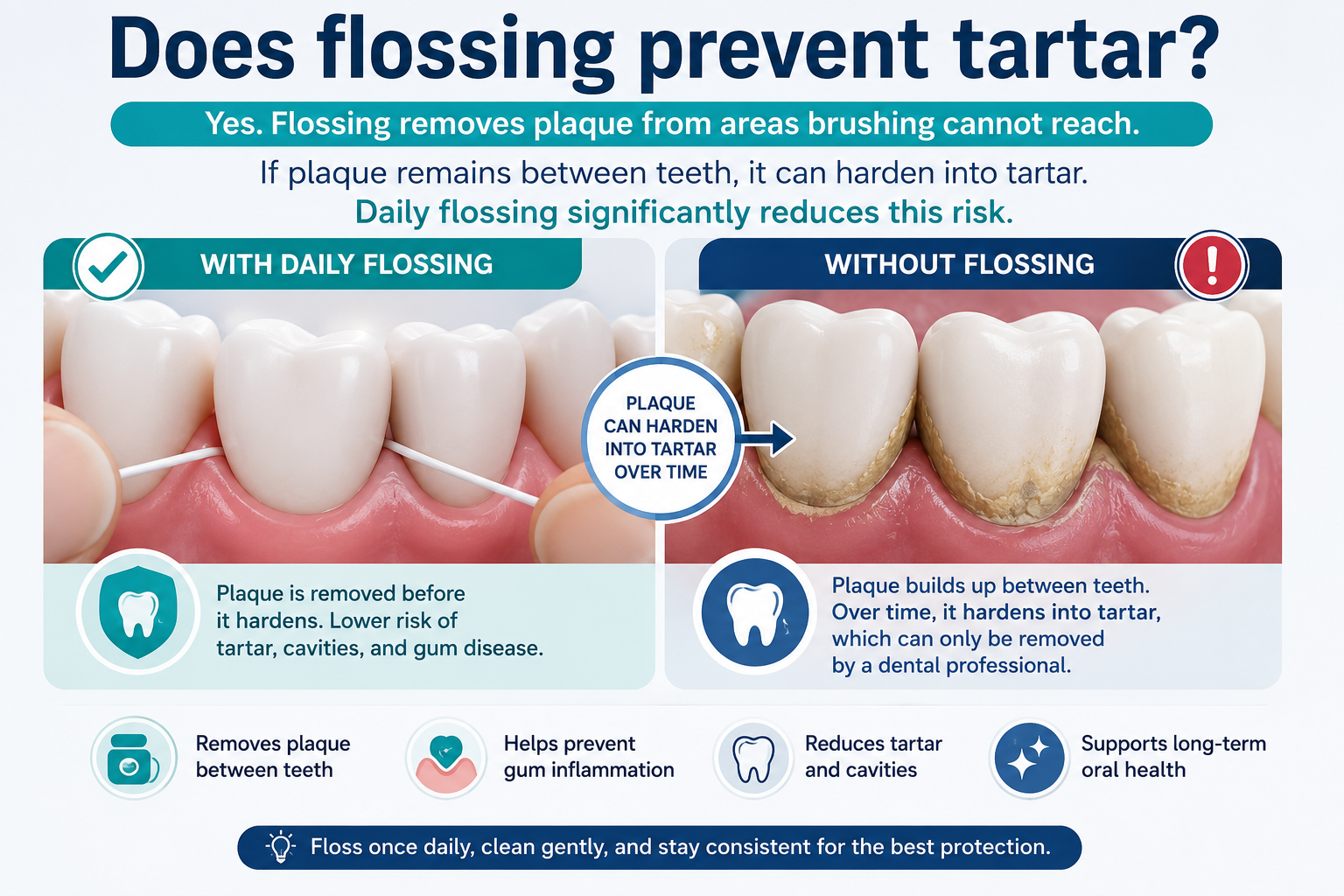
Yes. Flossing removes plaque from areas brushing cannot reach.
If plaque remains between teeth, it can harden into tartar.
Daily flossing significantly reduces this risk.
Why Plaque Builds Up Between Teeth So Easily
Toothbrush bristles cannot effectively clean tight spaces.
Plaque accumulates quickly between teeth.
Understanding Why Plaque Keeps Coming Back Even After Brushing can help identify daily habits that allow bacteria to accumulate in hard-to-clean areas.
These areas are common sites for tartar buildup.
Why Flossing Is Important Even If Your Teeth Feel Clean
Many people assume their teeth are clean after brushing because the visible surfaces feel smooth. However, plaque often remains between the teeth where toothbrush bristles cannot easily reach. These hidden areas provide an ideal environment for bacteria to multiply, especially after meals and overnight.
Plaque is soft at first, making it relatively easy to remove with proper flossing. If it remains undisturbed, minerals naturally present in saliva gradually harden it into tartar. Once tartar forms between the teeth, brushing and flossing alone are no longer enough to remove it.
Developing the habit of flossing every day helps remove plaque before it becomes more difficult to manage. Combined with regular brushing, this simple step supports healthier gums and may reduce the likelihood of tartar accumulation over time.
How Daily Flossing Helps Prevent Tartar Formation
Flossing removes plaque before mineralization occurs.
Flossing works even better when combined with the Best Toothbrushing Method for Plaque Control, helping remove plaque from every accessible tooth surface each day.
When done daily:
Plaque is disrupted
Bacterial colonies shrink
Mineral deposits decrease
Consistency prevents hardening.
How to Floss Correctly for Better Plaque Removal
To floss effectively:
Use about 18 inches of floss
Gently slide between teeth
Curve around each tooth
Clean below the gumline
Use a clean section for each tooth
Technique matters.
💡 You can also explore similar dental health supplements and oral care products on Amazon. Check availability here →
Common Flossing Mistakes That Reduce Effectiveness
Flossing is beneficial only when performed correctly. One common mistake is snapping the floss sharply between the teeth, which may irritate the gums without removing plaque effectively. Another mistake is flossing only partway down instead of gently cleaning below the gumline.
Using the same section of floss for every tooth may also transfer bacteria from one area to another. Wrapping the floss into a gentle C-shape around each tooth allows better contact with the tooth surface while minimizing discomfort.
People with braces, bridges, or dental implants may require specialized flossing tools or interdental brushes. Asking a dentist or dental hygienist for personalized guidance can improve cleaning in these situations.
Support Your Daily Plaque Control Routine
Daily flossing removes plaque from areas that toothbrushes often miss. Some people also choose botanical oral care products to complement brushing, flossing, and regular dental checkups as part of a complete oral hygiene routine.
👉 Explore Dental Pro 7 Ingredients to learn how its botanical formula supports cleaner tooth surfaces and healthier gums alongside consistent daily oral care.
Floss vs. Water Flosser: Which Removes More Plaque?
Water flossers can help remove debris.
Traditional floss may provide better plaque disruption.
Some individuals benefit from combining both methods.
Consistent flossing may help reduce plaque accumulation in areas where tartar commonly develops between teeth.
Building a Complete Daily Plaque Control Routine
Flossing is only one part of an effective oral hygiene routine. Brushing twice a day with fluoride toothpaste, cleaning the tongue, staying hydrated, and limiting sugary snacks all contribute to better plaque control.
Regular dental checkups remain important because they allow early detection of tartar, gum inflammation, and cavities that may not be visible at home. Professional cleanings also remove hardened tartar that daily brushing and flossing cannot eliminate.
Combining these habits consistently provides stronger long-term protection than relying on any single oral care practice alone.
What Happens Without Flossing?
Skipping flossing may lead to:
Tartar between teeth
Bleeding gums
Cavities in tight spaces
Early gum disease
Learning the Early Signs of Plaque You Should Not Ignore may help you recognize buildup before it develops into hardened tartar or gum irritation.
Daily flossing is simple but powerful.
Why Flossing Works Best as Part of a Complete Routine
Flossing helps prevent tartar but does not remove existing buildup.
People interested in botanical oral care can explore Dental Pro 7 Ingredients to learn more about the natural compounds commonly discussed for supporting healthy gums alongside daily flossing
Professional cleaning is still necessary.
Flossing is preventive, not corrective.
Before adding any oral care product to your routine, reading the Dental Pro 7 Side Effects and Safety Guide can help you understand important safety considerations and proper use.
Check Dental Pro 7 availability for targeted plaque control support
Does Flossing Prevent Tartar?
Daily flossing is one of the most effective ways to help reduce tartar formation between teeth and along the gumline. While brushing cleans the visible surfaces of the teeth, it cannot always reach the tight spaces where plaque naturally accumulates.
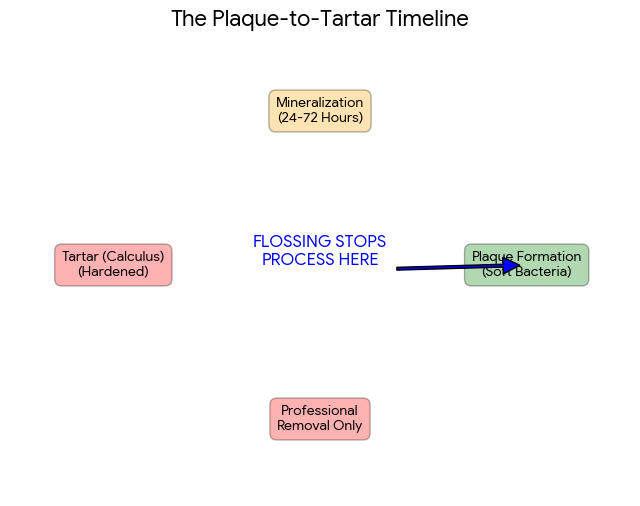
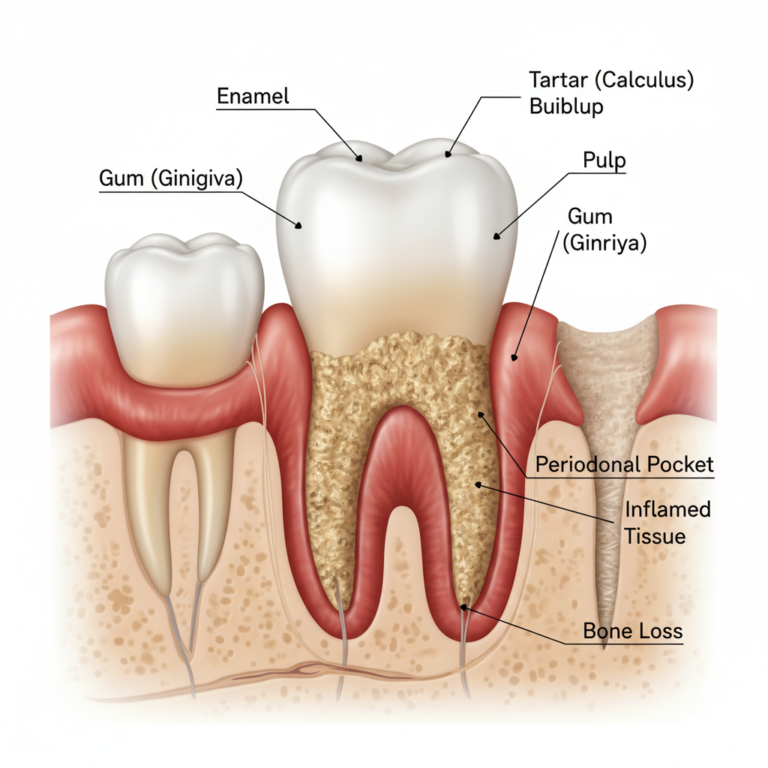
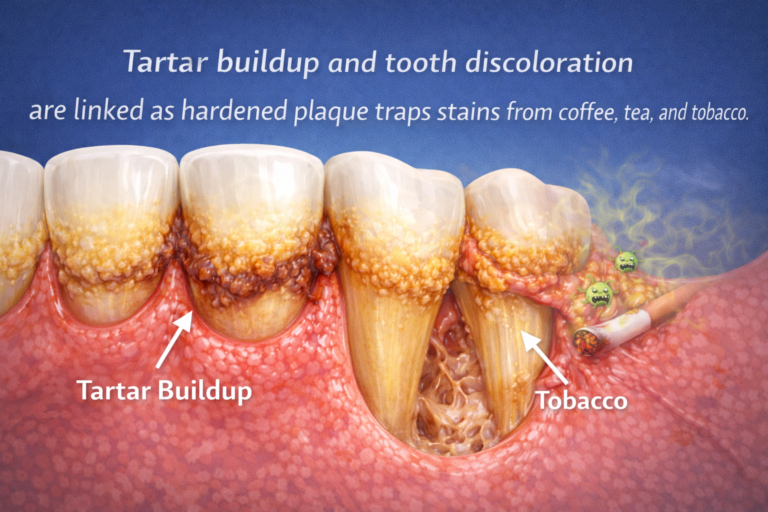
Plaque is a soft, sticky layer of bacteria that forms throughout the day. If it remains on the teeth long enough, minerals naturally present in saliva can gradually harden it into tartar (dental calculus). Once tartar develops, it usually cannot be removed with brushing or flossing alone and typically requires professional dental cleaning.
How Flossing Removes Plaque Between Teeth
Plaque constantly develops on every tooth surface, including the narrow spaces between teeth where toothbrush bristles have limited access. Flossing physically removes plaque and food particles from these areas before they have time to harden.
By disrupting plaque every day, flossing reduces the amount of bacteria that remain between the teeth and lowers the opportunity for tartar to develop.
The Role of Saliva in Tartar Formation
Saliva contains important minerals such as calcium and phosphate that help protect and repair tooth enamel through natural remineralization. However, when plaque is left undisturbed, these same minerals can gradually contribute to the hardening process that transforms soft plaque into tartar.
Because saliva composition varies from person to person, some individuals may develop tartar more quickly than others. Even so, consistent plaque removal through brushing and flossing remains one of the most effective ways to reduce this risk.
Why Cleaning Along the Gumline Matters
Plaque commonly collects where the teeth meet the gums because these areas can be difficult to clean completely with a toothbrush alone. Flossing helps remove plaque from between the teeth and gently beneath the gumline, where bacterial buildup may contribute to gum irritation if left undisturbed.
Cleaning these areas every day supports healthier gums and helps reduce the chance of plaque hardening into tartar over time.
Why Daily Flossing Makes a Difference
Plaque begins forming again soon after brushing and flossing, making daily cleaning an important part of long-term oral hygiene. Consistency is more beneficial than occasional intensive cleaning because removing plaque regularly reduces the opportunity for minerals in saliva to harden it into tartar.
Although flossing cannot remove tartar that has already formed, it plays an important preventive role when combined with proper brushing, routine dental examinations, and professional cleanings.
Long-Term Benefits of Daily Flossing
Daily flossing provides benefits beyond reducing tartar formation. Removing plaque from between the teeth helps maintain fresher breath, supports healthier gums, and may reduce the risk of cavities developing in areas that are difficult to clean with a toothbrush alone.
Consistency is more important than occasional intensive cleaning. A few extra minutes spent flossing each evening can contribute to healthier oral tissues and reduce the amount of plaque available to harden into tartar.
When combined with balanced nutrition, regular hydration, and routine dental visits, flossing becomes part of a sustainable approach to maintaining long-term oral health.
FAQ – Does Flossing Prevent Tartar Between Teeth?
1. Can flossing completely prevent tartar between teeth?
Daily flossing helps remove plaque before it hardens into tartar, but it cannot guarantee complete prevention. Brushing, regular dental cleanings, and consistent oral hygiene are also important.
2. How often should I floss to help prevent tartar?
Most dental professionals recommend flossing once each day. Daily plaque removal reduces the opportunity for minerals in saliva to harden plaque into tartar.
3. Is it normal for my gums to bleed when I start flossing?
Mild bleeding may occur if plaque has caused gum inflammation. If bleeding continues for more than a week or becomes severe, consult your dentist for evaluation.
4. Can a water flosser replace traditional dental floss?
Water flossers help remove food particles and may improve gum health, but traditional floss generally provides better contact with the tooth surface for plaque removal. Many people benefit from using both as part of their routine.
5. What happens if I only brush and never floss?
Brushing cleans the exposed tooth surfaces, but plaque can remain between teeth where toothbrush bristles cannot reach. Over time, this plaque may harden into tartar and contribute to cavities or gum disease.
One Comment