Does Tartar Cause Tooth Sensitivity? Causes, Exposed Roots, and Prevention
Does tartar cause tooth sensitivity: Last Updated: August 27, 2026 | 8 min read
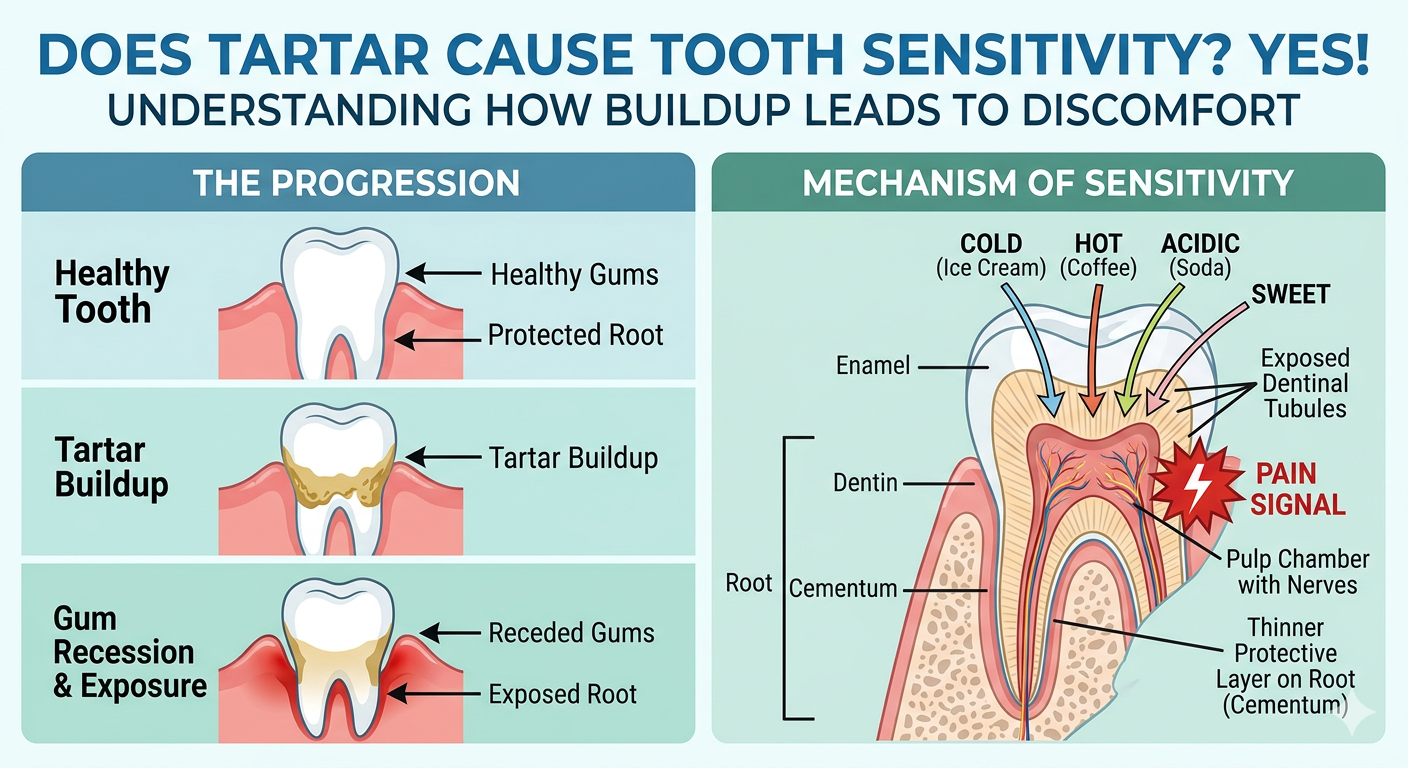
It can contribute to sensitivity indirectly. Tartar buildup can irritate the gums and contribute to gum recession. When recession exposes the tooth roots, hot, cold, sweet, or acidic foods may trigger sensitivity.
However, tartar is not the only possible cause. Tooth decay, enamel wear, cracked teeth, gum disease, and recent dental procedures can also cause sensitive teeth.
Understanding the connection between tartar, gum health, and exposed tooth roots can help you choose appropriate preventive care.
How Does Tartar Contribute to Tooth Sensitivity?
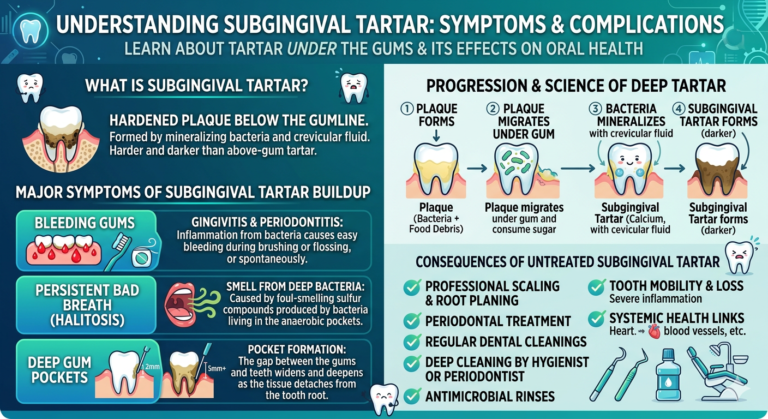
Tartar is hardened dental plaque. Unlike soft plaque, tartar requires professional dental cleaning for safe removal. It can develop above or below the gumline and contribute to gum inflammation.
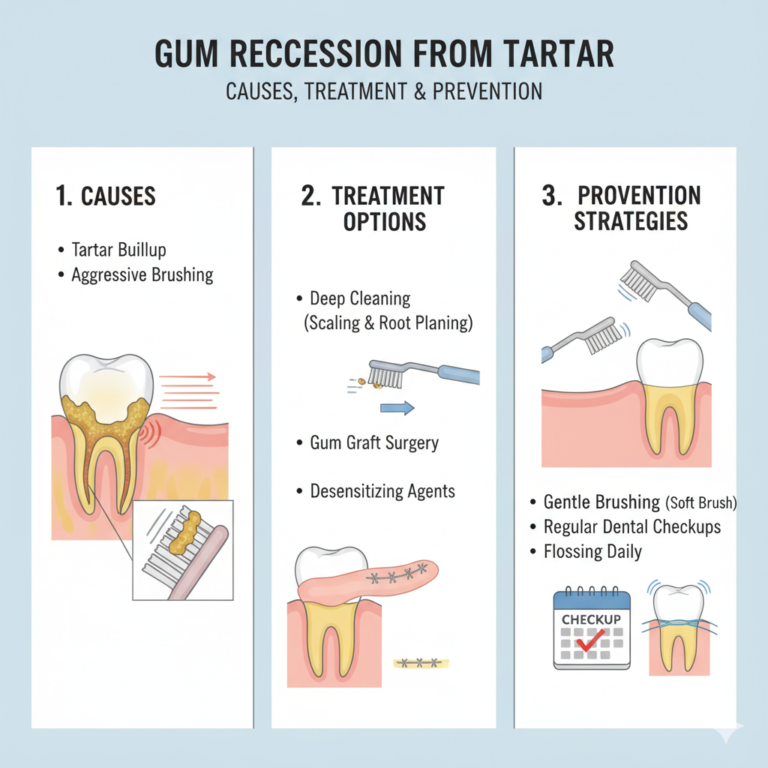
When inflammation affects the gums over time, the gumline may recede. Exposed tooth roots contain dentin beneath the cementum. Dentin has microscopic tubules that connect toward the inner nerve tissue, making exposed areas more responsive to temperature and other stimuli.
Support Your Daily Oral Care Routine
Professional tartar removal remains important when hardened deposits are present. Alongside professional care, a consistent daily oral hygiene routine can help control plaque buildup and support healthier gums.
Dental Pro 7 can be considered as a supportive oral care option within a structured daily hygiene routine.
Explore Dental Pro 7 for daily oral care support →
How Gum Recession Can Increase Tooth Sensitivity
Chronic plaque and tartar buildup can contribute to gum inflammation. Persistent inflammation may increase the risk of gum recession, especially when other risk factors are present.
As the gumline moves away from the tooth, more of the root surface becomes exposed. Tooth roots have less protective coverage than the crown, making them more vulnerable to sensitivity.
If you notice bleeding, swelling, or gumline changes together with sensitivity, addressing the underlying gum problem becomes important.
For additional information, see our guide to tartar under gums symptoms.
Persistent bleeding can also indicate gum inflammation. Our guide to effective bleeding gums treatment provides additional information about daily gum care.
What Happens After Tartar Removal?
Professional cleaning removes hardened plaque and tartar from tooth surfaces. In some cases, teeth can feel more sensitive temporarily after cleaning because previously covered areas become exposed to the oral environment. Cleveland Clinic notes that sensitivity after scaling can occur and may improve over time.
If you notice tartar after teeth cleaning, the issue may relate to new plaque that has hardened again rather than tartar returning immediately after removal.
Consistent brushing, interdental cleaning, and professional dental visits help reduce new tartar accumulation.
Understanding Complete Tartar Removal
Tartar can form above and below the gumline. Brushing and flossing remove plaque, but hardened tartar requires professional instruments for effective removal.
A professional dental cleaning can remove deposits that remain attached to the teeth. For people with deeper gum problems, a dentist may recommend additional periodontal treatment.
Our complete tartar removal guide explains professional cleaning, daily prevention, and long-term strategies for maintaining cleaner tooth surfaces.
Avoid attempting to scrape hardened tartar from your teeth at home. Improper tools or excessive force can damage teeth and gums.
Can Tartar Cause Sensitivity on Dentures?
Tartar and mineralized deposits can also develop on dental appliances when plaque and debris accumulate. Denture wearers therefore need a consistent cleaning routine.
If you wear dentures, our guide to tartar on dentures explains why deposits form and how regular denture cleaning can help maintain a cleaner appliance.
Denture-related discomfort can have several causes, so persistent irritation or pain should be evaluated by a dental professional.
Why Exposed Tooth Roots Feel Sensitive
Healthy enamel protects the crown of a tooth. The root surface has a thinner protective layer called cementum.
When gum recession exposes the root, the underlying dentin becomes more vulnerable. Dentin contains microscopic tubules that transmit stimuli toward the inner nerve tissue. This mechanism helps explain why cold drinks, hot beverages, sweet foods, or cool air can trigger sharp discomfort.
The severity of sensitivity varies according to the condition of the enamel, dentin, gums, and exposed root surfaces.
Other Causes of Tooth Sensitivity
Tartar can contribute to sensitivity, but several other conditions may produce similar symptoms.
Common causes include:
- Gum recession
- Gum disease
- Tooth decay
- Worn enamel
- Acid erosion
- Cracked or chipped teeth
- Teeth grinding
- Recent dental procedures
- Aggressive brushing
Cleveland Clinic notes that sensitive teeth can result from several different conditions, so persistent or severe sensitivity deserves professional evaluation.
This distinction is important because treating tartar alone may not resolve sensitivity when another dental problem is responsible.
Daily Habits That Help Protect Sensitive Teeth
Small, consistent habits can support gum and tooth health.
Helpful practices include:
- Brush twice daily with fluoride toothpaste.
- Use a soft-bristled toothbrush.
- Apply gentle brushing pressure.
- Clean between the teeth every day.
- Drink sufficient water.
- Limit frequent sugary and acidic foods.
- Attend regular dental examinations.
- Follow your dentist’s recommended cleaning schedule.
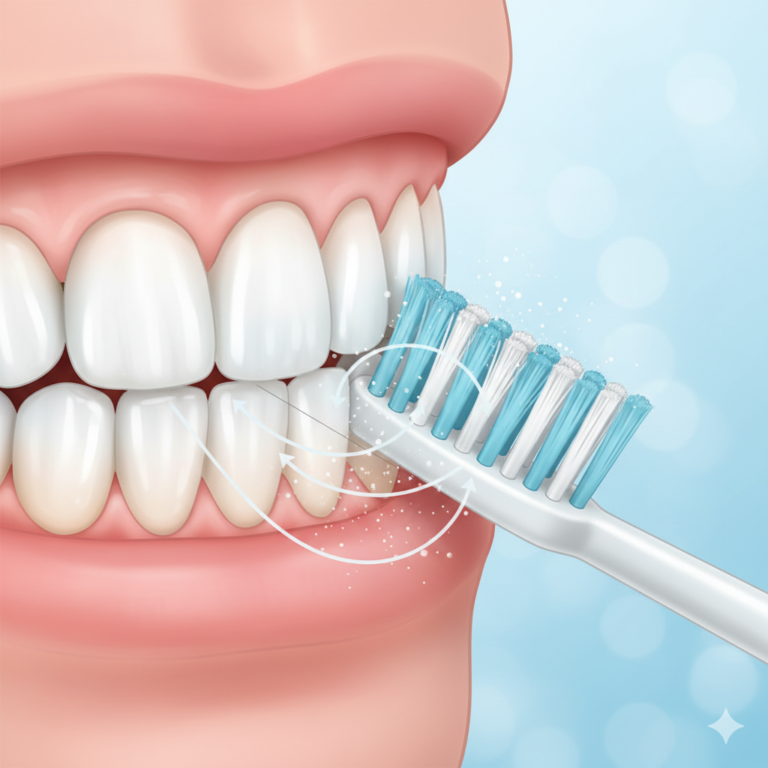
Gentle brushing is especially important when gum recession or sensitivity is present. Aggressive brushing can contribute to enamel wear and gum recession.
Symptoms to Watch For
Pay attention to changes such as:
- Sharp pain from cold drinks
- Sensitivity to hot beverages
- Discomfort from sweet foods
- Pain during brushing
- Sensitivity near the gumline
- Visible gum recession
- Yellow, brown, or dark tartar deposits
- Bleeding or swollen gums
Tartar commonly appears as a hard coating on the teeth and may be yellow, brown, or darker in color.
When several symptoms appear together, a dental examination can help identify the underlying cause.
Treatment Options for Tartar-Related Sensitivity
Treatment depends on the cause of the sensitivity and the condition of the teeth and gums.
A dentist may recommend:
Professional Tartar Removal
Professional cleaning removes hardened tartar from tooth surfaces. Deeper deposits may require periodontal cleaning such as scaling and root planing.
Desensitizing Toothpaste
Desensitizing toothpaste may help reduce discomfort by limiting nerve stimulation. Your dentist can recommend an appropriate formulation for your needs.
Fluoride Treatment
Professional fluoride treatments may help strengthen enamel and reduce sensitivity.
Treatment for Gum Recession
When exposed roots contribute to sensitivity, treatment may focus on protecting the root surface and managing the underlying gum condition. In selected cases, dental bonding or gum grafting may be considered.
Prevention: How to Reduce Tartar and Sensitivity Risk
Preventing excessive plaque buildup is one of the most practical ways to reduce future tartar formation.
Follow these habits:
- Brush twice daily.
- Clean between teeth every day.
- Use gentle brushing pressure.
- Limit frequent sugary and acidic foods.
- Drink enough water.
- Schedule regular dental examinations.
- Follow professional cleaning recommendations.
Regular dental care is particularly useful because tartar cannot be removed effectively with ordinary brushing and flossing once it has hardened.
Natural Oral Care Ingredients and Gum Support
Some readers also research natural ingredients when selecting supportive oral care products. Understanding the formulation can help consumers compare products and choose options that complement daily plaque control.
For readers interested in botanical oral care, our guide to natural ingredients that support gum health provides additional information about Dental Pro 7 ingredients and their intended role in an oral care routine.
Readers can also explore the Mentha arvensis herbal extract guide to learn more about this botanical ingredient and its cooling, refreshing role in oral care.
These ingredients should be viewed as supportive components of a broader oral hygiene routine rather than substitutes for professional dental treatment.
When Should You See a Dentist?
Schedule a dental examination if sensitivity persists, becomes stronger, or occurs together with gum bleeding, swelling, pain, visible recession, or tooth damage.
Professional evaluation can determine whether tartar, gum recession, decay, enamel wear, or another condition is causing the symptoms.
Early assessment makes it easier to address the underlying problem and protect long-term oral health.
Conclusion – Does Tartar Cause Tooth Sensitivity?
So, does tartar cause tooth sensitivity? Tartar can contribute to sensitivity indirectly, particularly when it is associated with gum inflammation and recession that expose sensitive tooth-root surfaces.
However, sensitivity has many possible causes. Professional dental evaluation remains important when symptoms persist.
The best approach combines professional tartar removal when needed with consistent brushing, interdental cleaning, gentle oral care, and regular dental examinations.
Dental Pro 7 may complement a structured daily oral hygiene routine, while professional dental care remains essential for diagnosing and treating tartar, gum disease, recession, and persistent sensitivity.
Explore Dental Pro 7 for daily oral care support →
FAQ – Does Tartar Cause Tooth Sensitivity?
Can removing tartar reduce tooth sensitivity?
It may help when tartar-related gum inflammation contributes to sensitivity. However, sensitivity can have several causes, so a dentist should evaluate persistent symptoms.
Can teeth become sensitive after tartar removal?
Yes. Some people experience temporary sensitivity after professional cleaning because previously covered tooth surfaces or roots become exposed to temperature changes.
Is tooth sensitivity always caused by tartar?
No. Gum recession, cavities, enamel wear, acid erosion, cracked teeth, teeth grinding, and recent dental procedures can also cause sensitivity.
Can I remove tartar at home?
Hardened tartar requires professional removal. Attempting to scrape it away with household or sharp tools can damage teeth and gums.
Does gum recession cause sensitive teeth?
Yes. Gum recession can expose tooth roots, which have less protective coverage than the crown and can become sensitive to cold, heat, sweets, and brushing.
How can I prevent tartar from returning?
Brush twice daily, clean between your teeth every day, use gentle brushing pressure, maintain a balanced diet, and attend regular professional dental cleanings.
Other Article: Tartar After Teeth Cleaning: Why It Can Come Back

2 Comments