Tartar Buildup During Pregnancy: Causes, Prevention, and What Actually Helps
Tartar Buildup During Pregnancy: Pregnancy changes the body in ways that are sometimes unexpected, including changes inside the mouth.
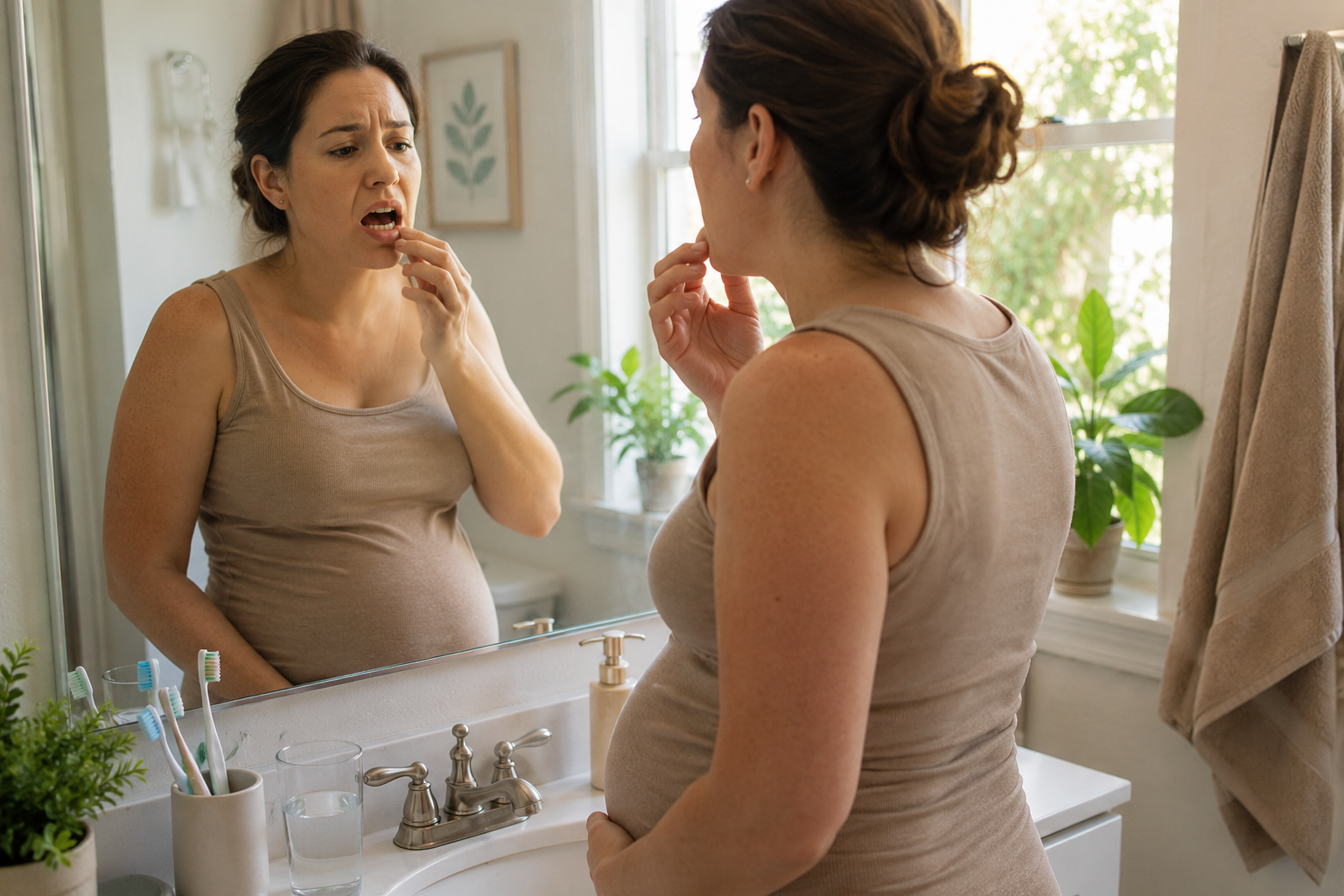
A person who rarely had gum sensitivity before may suddenly notice bleeding while brushing. Others begin feeling rough tartar behind the lower front teeth even though their brushing habits have not changed much. Morning sickness, dry mouth, food cravings, and exhaustion can quietly affect oral hygiene routines without anyone realizing how much those small daily changes matter.
What makes tartar buildup during pregnancy confusing is that it often develops gradually. The mouth may feel normal for weeks before a rough or yellowish deposit becomes noticeable near the gumline.
This article explains why tartar buildup can become more common during pregnancy, which real-life habits tend to worsen it, and what oral care approaches are generally considered safer and more realistic during this stage of life.
Why Pregnancy Can Make Tartar Build Up Faster
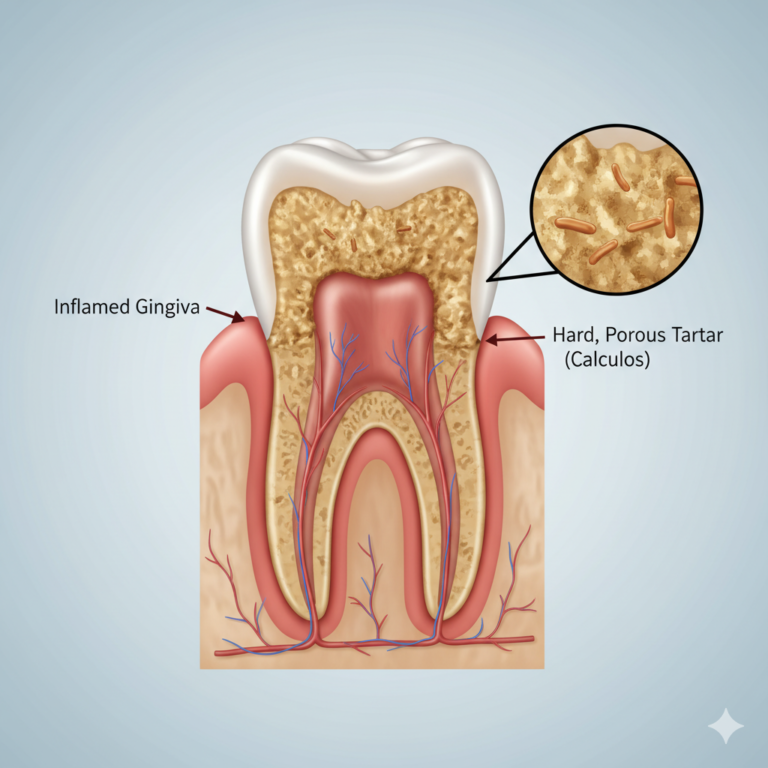
Pregnancy itself does not directly “create” tartar. Tartar begins as plaque — the soft bacterial film that forms naturally on teeth every day.
When plaque remains on the teeth long enough, minerals from saliva harden it into tartar. During pregnancy, several factors may allow plaque to stay on the teeth longer than usual.
Hormonal Changes Affect the Gums
Increased hormone levels during pregnancy can make gum tissue more reactive to plaque.
Gums may become swollen, tender, or bleed more easily during brushing and flossing. This sometimes leads people to avoid brushing certain sensitive areas thoroughly, especially near the gumline.
Ironically, those are often the exact areas where tartar later becomes more visible.
The American Pregnancy Association notes that pregnancy gingivitis is relatively common because hormonal changes can increase gum sensitivity and inflammation.
Morning Sickness Changes Oral Habits
Morning sickness affects oral health in several ways that are rarely discussed in detail.
Vomiting exposes the mouth to stomach acid, which can temporarily increase tooth sensitivity. Afterward, brushing may feel uncomfortable, causing people to delay oral hygiene longer than usual.
Frequent snacking to control nausea can also increase plaque formation, especially when dry crackers, sweet drinks, or carbohydrate-heavy foods are eaten repeatedly throughout the day.
One practical observation is that plaque often feels thicker during periods of nausea because hydration and normal saliva flow are disrupted at the same time.
Dry Mouth During Pregnancy Is Often Overlooked
Dry mouth is another factor that quietly contributes to tartar accumulation.
Pregnancy-related dehydration, mouth breathing during sleep, congestion, and hormonal changes can reduce saliva flow. Without enough saliva, bacteria and food particles remain on the teeth longer.
A common pattern is waking up with a sticky mouth or rough-feeling teeth despite brushing the night before.
The Mayo Clinic identifies reduced saliva flow as an important contributor to bacterial growth and oral discomfort.
Where Tartar Usually Appears During Pregnancy
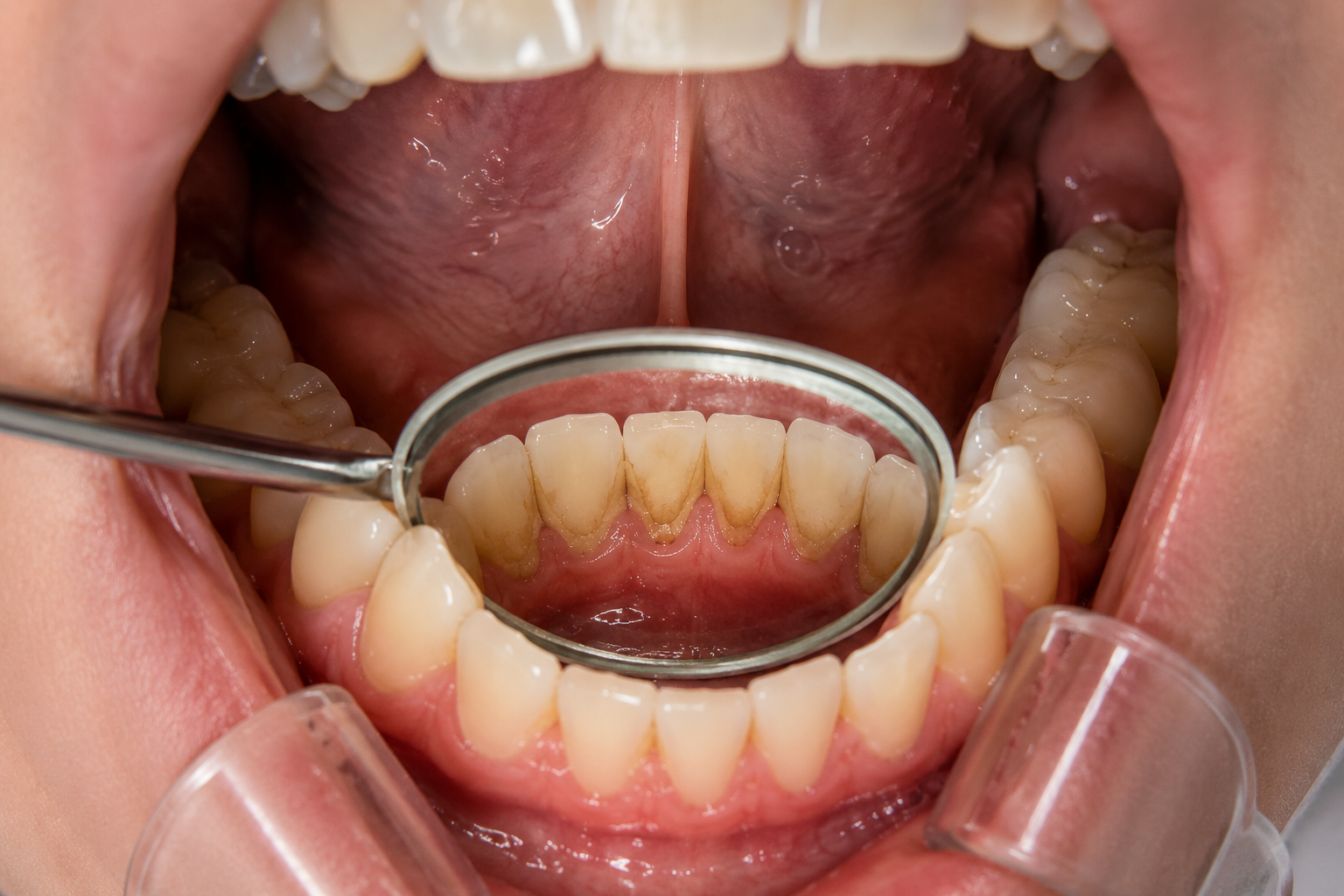
Behind the Lower Front Teeth
This area tends to collect tartar quickly because saliva glands under the tongue release minerals nearby.
When plaque stays in this location, it can harden surprisingly fast into rough deposits.
Additional reading: Why Tartar Build-Up Behind Lower Teeth Is So Common
Along the Gumline
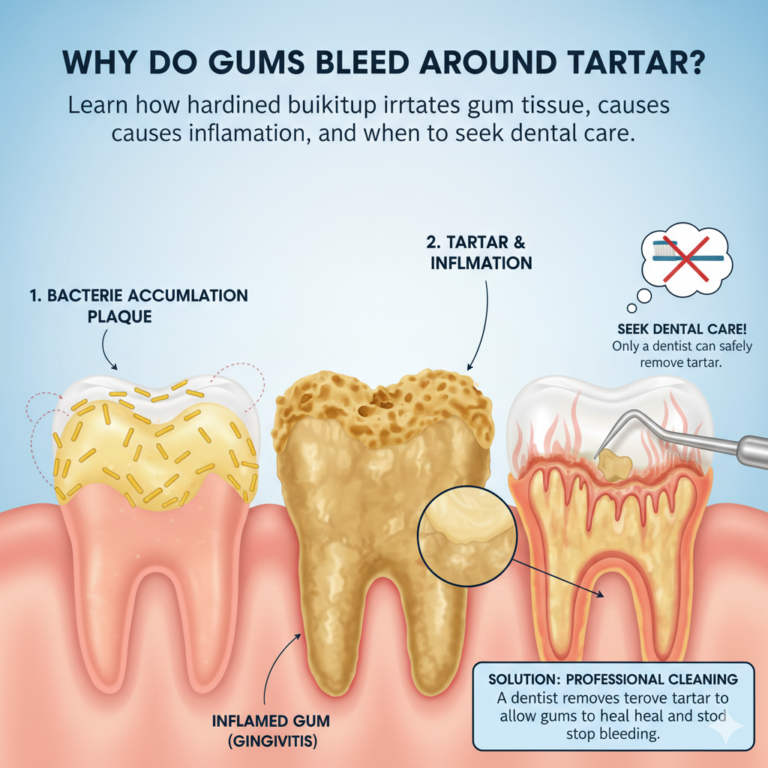
Swollen gums create more areas where plaque becomes difficult to remove fully.
The buildup may appear as yellow, brown, or chalky deposits near the gum edges, especially when brushing becomes gentler because of tenderness.
Around Crowded Teeth or Dental Work
Plaque also tends to collect more easily around permanent retainers, crowns, crowded teeth, or areas where flossing becomes difficult during pregnancy fatigue.
Pregnancy Gingivitis and Tartar Often Appear Together
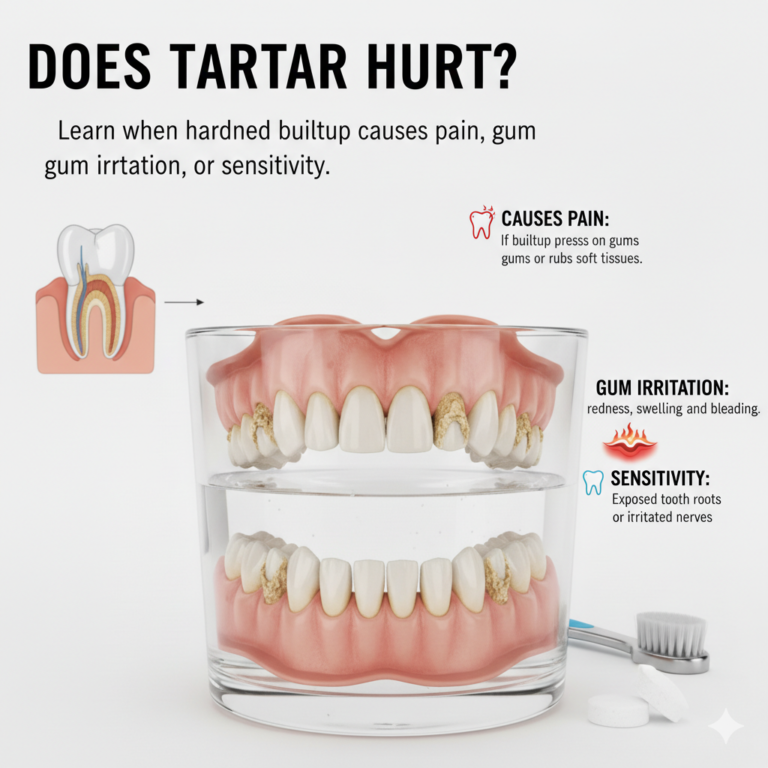
Tartar itself does not always cause pain immediately, but it can contribute to gum irritation if allowed to remain near the gums.
Signs that gum inflammation may be developing include:
- Bleeding while brushing
- Swollen gums
- Persistent bad breath
- Tenderness near the gumline
- Red or puffy gums
- Rough deposits that keep returning quickly
One reason pregnancy gingivitis sometimes becomes frustrating is that symptoms can fluctuate. Gums may appear calmer for several days, then suddenly bleed again after small changes in sleep, stress, or hydration.
The American Dental Association recommends maintaining routine dental care during pregnancy because preventive care remains important for gum health.
Safe and Realistic Ways to Reduce Tartar During Pregnancy
Pregnancy is usually not the time for harsh whitening trends or aggressive scraping techniques promoted online.
A more balanced approach tends to work better.
Brush Thoroughly but Gently
Sensitive gums often cause people to brush too lightly or too quickly.
Using a soft-bristled toothbrush with slow circular movements may help remove plaque while remaining more comfortable for swollen gums.
For brushing technique guidance: Best Toothbrushing Method for Plaque Control
Rinse After Vomiting Before Brushing
After vomiting, rinsing with plain water or a mild baking soda rinse may help neutralize acid.
Brushing immediately afterward can sometimes increase sensitivity because enamel temporarily softens after acid exposure.
Hydration Matters More Than Expected
Hydration strongly influences saliva production.
Small, consistent sips of water throughout the day may help reduce dry mouth and improve overall comfort inside the mouth.
This becomes especially noticeable during hot weather, nausea episodes, or poor sleep.
Flossing Helps Reduce Hidden Plaque
Pregnancy-related gum swelling can trap plaque between teeth more easily.
Even gentle flossing several times per week may help reduce buildup in areas brushing misses.
Professional Dental Cleaning Is Often the Most Effective Step
Once tartar hardens, home brushing cannot fully remove it safely.
Professional dental cleanings are generally considered safe during pregnancy and remain one of the most effective ways to manage tartar accumulation.
The American College of Obstetricians and Gynecologists supports routine dental care during pregnancy, including preventive cleanings.
Being Careful With Viral “Natural Tartar Removal” Advice
Pregnancy can make people more cautious about products and treatments, which is understandable.
However, aggressive online remedies involving sharp tools, abrasive powders, or acidic mixtures can irritate gums and damage enamel.
Products promising unrealistic instant tartar removal should also be approached carefully.
A safer goal during pregnancy is usually reducing plaque accumulation consistently rather than trying extreme methods.
Can Oral Care Products Help During Pregnancy?
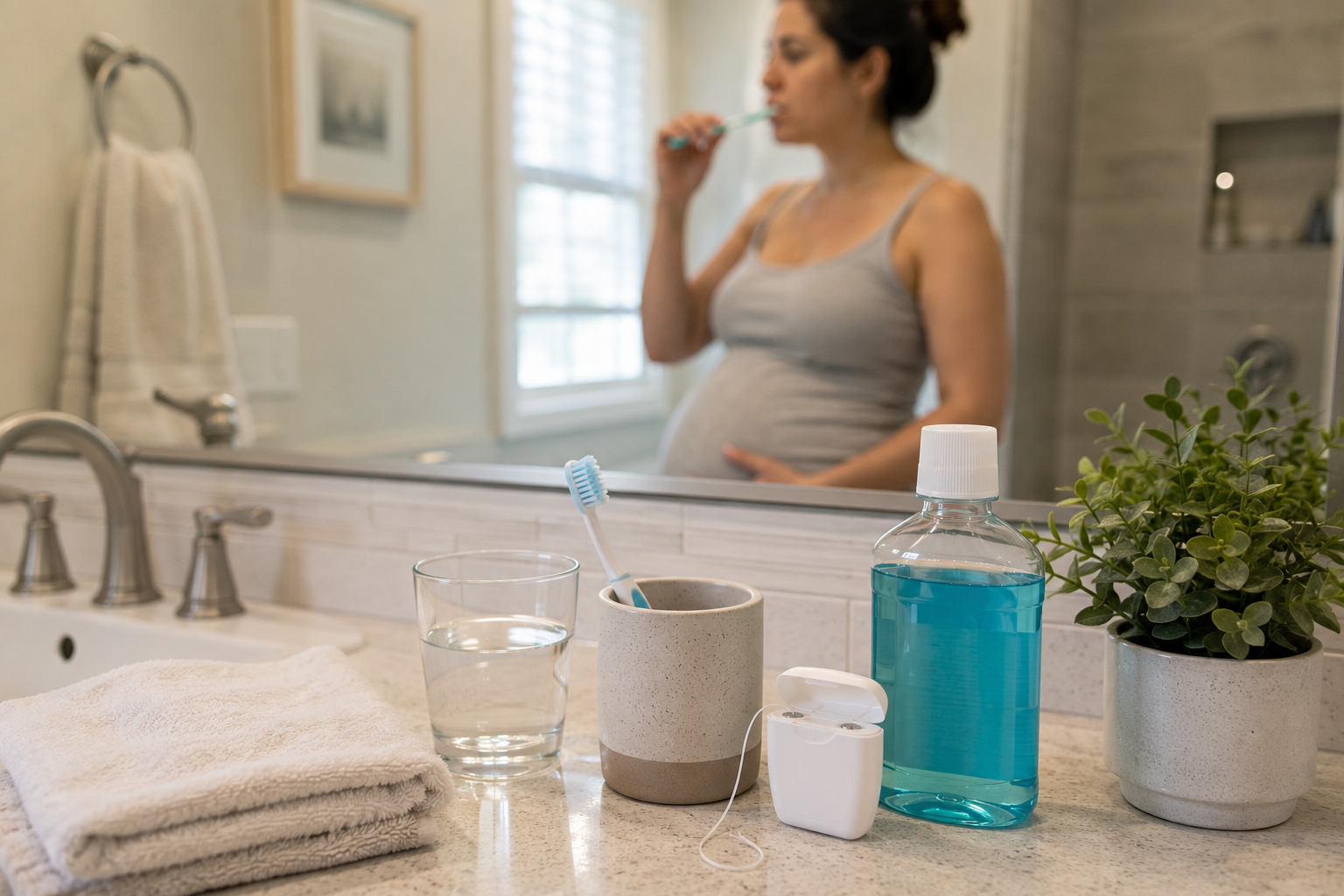
Supportive oral care products may help improve comfort when gums feel irritated or sensitive, although expectations should remain realistic.
When evaluating oral care products during pregnancy, ingredient transparency and safety discussions with a healthcare provider become especially important.
Readers researching gum-support products sometimes review: Dental Pro 7 Side Effects and Safety Guide, Dental Pro 7 Review: Natural Support for Gum Health
Others compare softer toothbrushes, alcohol-free rinses, floss tools, or tartar-control toothpaste through retailers such as:
Plant-based oral care alternatives are also explored by readers through: Callnature
When to See a Dentist During Pregnancy
Professional evaluation may be important if symptoms include: Heavy tartar buildup, Persistent gum bleeding, Swelling or pain, Loose teeth, Gum recession, Difficulty chewing comfortably, Persistent bad breath
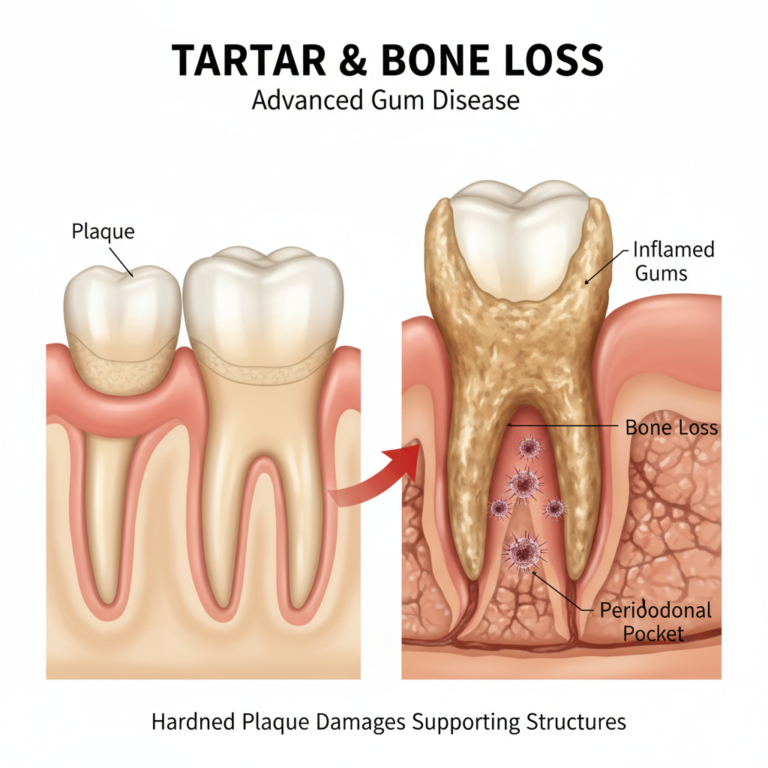
Sometimes the issue is mild pregnancy gingivitis. In other cases, untreated plaque and tartar may be contributing to more significant gum inflammation.
Final Thoughts – Tartar buildup during pregnancy
Tartar buildup during pregnancy is extremely common, but the reasons are often more complex than simply “not brushing enough.”
Hormonal changes, nausea, fatigue, dry mouth, altered eating habits, and disrupted sleep can all influence how plaque behaves inside the mouth.
One practical observation stands out repeatedly: oral hygiene routines often become inconsistent during exhausting periods of pregnancy even when intentions remain good.
A calmer, more realistic approach usually works better than harsh online tartar-removal trends.
Consistent brushing, hydration, gentle flossing, and professional cleanings when needed tend to support healthier gums and more comfortable oral health throughout pregnancy.
FAQ – Tartar buildup during pregnancy
Can pregnancy cause tartar buildup even if I brush regularly?
Yes. Hormonal changes, dry mouth, nausea, and gum sensitivity can make plaque harder to control during pregnancy.
Is dental cleaning safe during pregnancy?
Routine preventive dental cleanings are generally considered safe during pregnancy according to major dental and obstetric organizations.
Why do gums bleed more during pregnancy?
Increased hormone levels can make gum tissue more reactive to plaque and brushing.
Should I brush immediately after vomiting?
It is usually better to rinse first and wait briefly before brushing because acid exposure may temporarily soften enamel.
What area gets tartar the fastest during pregnancy?
The lower front teeth often accumulate tartar quickly because of nearby saliva glands and plaque retention.
About the Author
Dental Pro 7 Ingredients Editorial Team
The Dental Pro 7 Ingredients Editorial Team researches oral health topics related to plaque buildup, tartar accumulation, gum care, dry mouth, and preventive dental habits. Content is developed using publicly available dental research, clinical references, and practical real-world oral care observations to help readers better understand everyday dental concerns in more realistic language.
Disclaimer – Tartar buildup during pregnancy
This article is for informational and educational purposes only and does not provide medical advice, diagnosis, or treatment. Oral health conditions during pregnancy should always be discussed with a licensed dentist, physician, or qualified healthcare provider. Individual pregnancy experiences and dental needs may vary significantly.


2 Comments