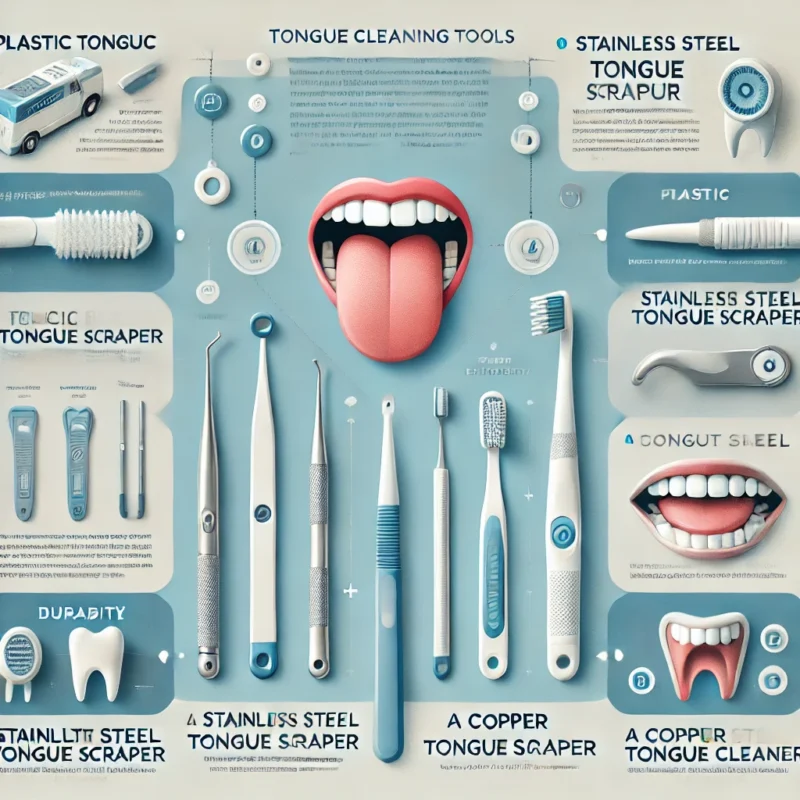
An electric toothbrush for tartar prevention can be a powerful tool in daily oral care.
While no toothbrush can remove hardened tartar once it forms, electric toothbrushes are often more effective at removing plaque before it mineralizes.
Since tartar develops from plaque, better plaque removal means lower tartar risk.
Understanding how electric toothbrushes work helps you decide if they are right for you.
How Tartar Forms in the First Place
Tartar begins as plaque.
Plaque is a soft, sticky biofilm made of bacteria, food debris, and saliva proteins.
If not removed thoroughly, plaque absorbs minerals from saliva and hardens within 24 to 72 hours.
Once hardened, it becomes tartar and requires professional removal.
Prevention depends on removing plaque early and consistently.
🦷 Improve Your Deep Cleaning Results
Add precision detail support.
👉Check Dental Pro 7 Deep Cleaning
How Electric Toothbrushes Improve Plaque Removal
Electric toothbrushes use oscillating, rotating, or sonic vibrations.
These movements help:
Break up plaque biofilm
Reach difficult areas
Maintain consistent brushing speed
Improve gumline cleaning
Studies show powered brushes often remove more plaque than manual brushes when used properly.
Better plaque control reduces the chance of mineralization.
Advantages Over Manual Toothbrushes
An electric toothbrush for tartar prevention offers several benefits:
1. Consistent Motion
Manual brushing relies on personal technique. Electric brushes maintain steady, controlled motion.
2. Built-In Timers
Most models include a two-minute timer to ensure adequate brushing time.
3. Pressure Sensors
Some devices alert users when brushing too hard, preventing gum damage.
4. Improved Access
Smaller brush heads may clean around molars more effectively.
These features improve daily consistency.
Does It Completely Prevent Tartar?
No toothbrush can guarantee complete prevention.
However, electric toothbrushes significantly reduce plaque accumulation when combined with:
Daily flossing
Fluoride toothpaste
Routine dental visits
They are part of a prevention system, not a standalone solution.
Who Benefits Most From Electric Toothbrushes?
Electric toothbrushes are especially helpful for:
Individuals who struggle with brushing technique
People with limited hand dexterity
Orthodontic patients
Those prone to rapid plaque buildup
Patients with a history of gum inflammation
The added efficiency supports better plaque control.
💡 You can also explore similar dental health supplements and oral care products on Amazon.
Proper Technique Still Matters
Even with advanced technology, technique remains important.
For best results:
Hold the brush at a 45-degree angle toward the gumline
Let the brush head glide slowly across each tooth
Avoid excessive pressure
Brush twice daily for two minutes
Do not rush the process.
Maintenance of Electric Toothbrushes
To maximize effectiveness:
Replace brush heads every 3 months
Rinse thoroughly after use
Store upright and allow to air dry
Recharge as needed
A worn brush head reduces plaque removal efficiency.
Electric Toothbrush vs Sonic Toothbrush
There are different types of powered brushes:
Oscillating-rotating brushes
Sonic vibration brushes
Both can improve plaque removal.
Choice depends on comfort, budget, and personal preference.
Supporting Tools for Better Prevention
For optimal tartar prevention, combine your electric toothbrush with:
Daily flossing
Antibacterial mouthwash
Balanced diet
Professional cleanings every six months
Consistency across all habits provides the best protection.
Long-Term Benefits of Better Plaque Control
Using an electric toothbrush for tartar prevention may help:
Reduce gum inflammation
Lower bleeding risk
Improve breath freshness
Maintain smoother enamel surfaces
Reduce long-term dental costs
Preventive habits protect both oral and overall health.
🦷 Improve Your Deep Cleaning Results
Add precision detail support.
👉Check Dental Pro 7 Deep Cleaning
FAQ – Electric Toothbrush for Tartar Prevention
1. Can an electric toothbrush remove existing tartar?
No. Hardened tartar requires professional removal.
2. Is an electric toothbrush better than manual for tartar prevention?
It often removes more plaque, which reduces tartar risk.
3. How often should I replace the brush head?
Every three months or sooner if bristles fray.
4. Do I still need floss if I use an electric toothbrush?
Yes. Flossing removes plaque between teeth where brushes cannot reach.