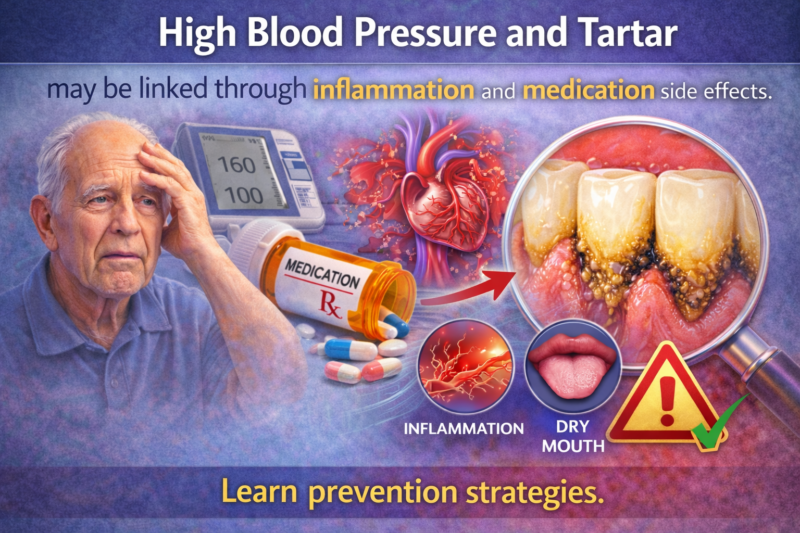
High Blood Pressure and Tartar: High blood pressure primarily affects the cardiovascular system, but its impact may extend beyond the heart and arteries. Emerging research suggests that high blood pressure and tartar risk may be indirectly connected through chronic inflammation, medication side effects, and oral health changes. While hypertension does not directly cause tartar, several related factors can increase plaque accumulation and calculus formation.
Understanding how high blood pressure and tartar are linked helps patients take proactive steps to protect both oral and systemic health.
Inflammation as a Common Factor
Chronic inflammation plays a significant role in both hypertension and gum disease. High blood pressure is often associated with systemic inflammatory processes that affect blood vessels. Similarly, tartar buildup contributes to gum inflammation by trapping bacteria along the gumline.
When tartar forms, it creates a rough surface where bacteria thrive. This can lead to:
Gingivitis (early gum inflammation)
Periodontitis (advanced gum disease)
Bleeding gums
Increased inflammatory markers
Although tartar itself does not cause high blood pressure, the inflammation triggered by periodontal disease may contribute to overall inflammatory burden in the body. Managing oral inflammation is therefore an important part of preventive healthcare.
Role of Blood Pressure Medications
Another important link between high blood pressure and tartar involves antihypertensive medications. Some commonly prescribed blood pressure medications may cause side effects that influence oral health.
Potential oral side effects include:
Dry mouth (reduced saliva flow)
Gum tissue enlargement
Altered immune response
Saliva plays a crucial role in washing away food particles and neutralizing acids. When saliva production decreases, plaque remains on teeth longer. This increases the likelihood of plaque hardening into tartar.
Reduced saliva also creates a sticky oral environment where bacteria multiply more easily. Over time, this can accelerate calculus formation along the gumline.
Gum Health and Cardiovascular Risk
Research continues to explore the relationship between periodontal disease and cardiovascular conditions. While the connection is not considered directly causal, studies suggest that individuals with severe gum disease may have a higher risk of heart-related complications.
The possible mechanisms include:
Systemic spread of oral bacteria
Increased inflammatory mediators
Effects on blood vessel function
Because high blood pressure and tartar both involve inflammatory pathways, maintaining gum health may support overall cardiovascular wellness.
Prevention for Hypertensive Patients
Patients managing hypertension should prioritize preventive oral care. Effective strategies include:
Scheduling regular professional dental cleanings
Monitoring for signs of gum bleeding or swelling
Maintaining proper hydration to reduce dry mouth
Brushing twice daily with fluoride toothpaste
Flossing daily to remove plaque between teeth
If dry mouth persists due to medication, discussing options with both a physician and dentist may help reduce complications.
Preventive dental care reduces tartar accumulation, lowers gum inflammation, and supports long-term health management.
 See How Dental Pro 7 Supports Gum & Plaque Control

If you manage high blood pressure and notice gum symptoms or increased tartar buildup, schedule a dental visit promptly. Maintaining oral health is an important step in supporting overall wellness.
FAQ
1. Does high blood pressure directly cause tartar?
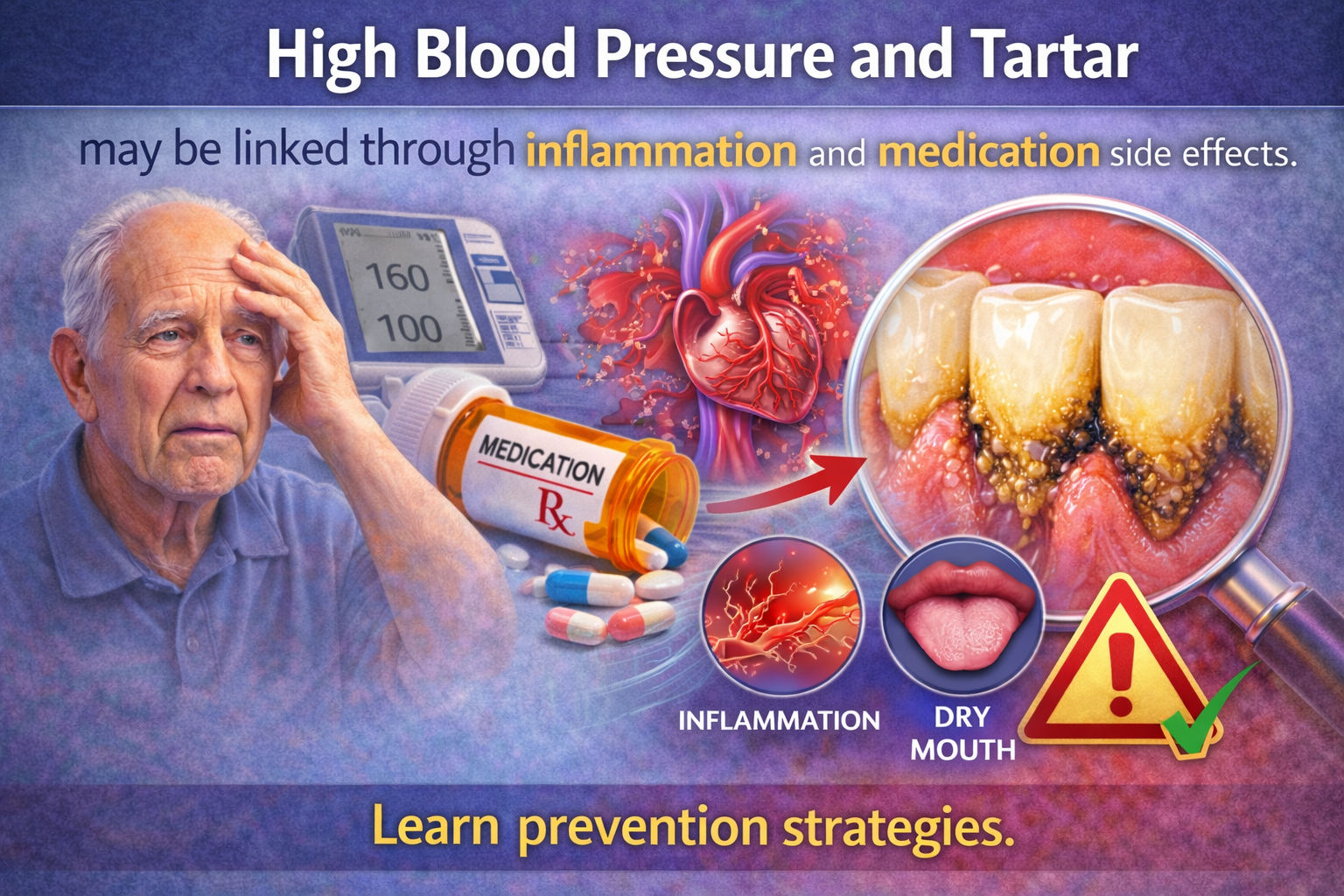
No. High blood pressure does not directly cause tartar, but related inflammation and medication side effects can increase risk.
2. Are blood pressure medications linked to dry mouth?
Yes. Some antihypertensive medications may reduce saliva flow, which can contribute to plaque and tartar buildup.
3. Is gum disease dangerous for heart health?
Research suggests an association between periodontal disease and cardiovascular conditions, making prevention especially important.