
How Tartar Forms on Teeth and What Actually Helps Prevent It
How Tartar Forms on Teeth: Last Updated: July 7, 2026. Reading Time: ⏱️ 10 min read
Most people do not notice tartar forming until they run their tongue across their teeth and feel something rough near the gumline.
It usually starts quietly. A missed brushing session here, a week of too much coffee there, or simply not cleaning around the back molars carefully enough. Over time, soft plaque hardens into tartar — and once that happens, regular brushing no longer removes it.
Dentists see this pattern constantly. Many people assume tartar appears suddenly, but in reality it develops gradually from daily habits, saliva minerals, oral bacteria, and areas that are easy to miss during brushing.
The good news is that tartar buildup is often manageable when caught early. Understanding how it forms makes prevention far easier than trying to remove heavy buildup later.
What Is Tartar and Why Does It Form?
Tartar, also called dental calculus, is hardened plaque that sticks tightly to the teeth and gumline.
Plaque itself is normal. It is a soft, sticky film made from bacteria, food particles, and saliva proteins. Everyone develops plaque throughout the day, especially after eating carbohydrates or sugary foods.
The problem begins when plaque is not removed consistently.
Within about 24 to 72 hours, minerals naturally found in saliva can begin hardening plaque into tartar. Once mineralized, it becomes much more difficult to remove at home.
Unlike soft plaque, tartar has a rough surface. That roughness attracts even more bacteria and plaque, which is why buildup tends to grow faster once it starts.
Some people are naturally more prone to tartar because of saliva composition, crowded teeth, dry mouth, smoking, mouth breathing, or inconsistent oral hygiene routines.
A common misconception is that tartar only affects people with poor hygiene. In reality, even people who brush daily can still develop tartar in hard-to-clean areas.
For a closer look at the difference between early plaque and hardened buildup, read: Tartar vs Plaque: Differences You Must Know
Where Tartar Usually Starts First
Dentists often notice tartar forming in very predictable locations.
Behind the Lower Front Teeth
This area sits close to the salivary glands under the tongue. Because saliva contains minerals like calcium and phosphate, plaque here can harden faster than in other parts of the mouth.
Many people are surprised when they see yellow or brown buildup there despite brushing regularly.
Along the Gumline
The gumline traps bacteria easily, especially when brushing pressure is too gentle or flossing is inconsistent.
Early tartar here may look chalky or slightly yellow before becoming darker over time.
Around Crowded Teeth or Dental Work
Braces, retainers, crowns, and overlapping teeth create small spaces where plaque stays trapped longer.
These areas often require more detailed cleaning than most people realize.
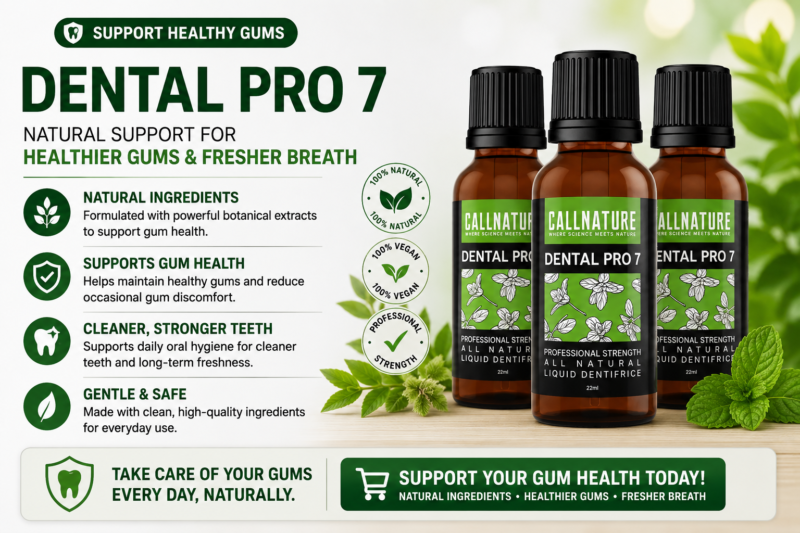
One option some readers explore is Dental Pro 7, which focuses on supporting the mouth’s natural oral environment rather than relying only on harsh antiseptics.
Official source: Dental Pro 7 Official Website
How Long Does It Take for Tartar to Form?
There is no exact timeline for everyone, but plaque can begin hardening surprisingly quickly.
For some people, mineralization may start within a couple of days if plaque remains undisturbed. Others may take longer depending on saliva chemistry and oral hygiene habits.
Diet also matters.
Frequent snacking, sugary drinks, smoking, dehydration, and dry mouth conditions can accelerate buildup.
Many dentists notice that patients who only brush once daily often develop tartar faster around the gumline and back molars.
Related reading:
Does Brushing Once a Day Cause Tartar Formation?

Signs You May Already Have Tartar Buildup
Tartar is not always painful at first, which is why many people ignore it until symptoms become more obvious.
Common signs include:
- Rough or crusty feeling near the gums
- Yellow, brown, or darker deposits on teeth
- Persistent bad breath
- Bleeding while brushing or flossing
- Gums that appear swollen or irritated
- Teeth feeling “dirty” even after brushing
These warning signs are not always caused by tartar alone. Many of them overlap with common gum disease symptoms, including chronic inflammation, gum tenderness, persistent bleeding, and gradual changes along the gumline. Recognizing these early signs may help prevent more advanced periodontal complications from developing over time.
Persistent bleeding while brushing should never be ignored. Learning about bleeding gums treatment may help support healthier gums alongside consistent plaque control and professional care.
Some people also notice increased tooth sensitivity near the gumline.
When tartar remains for long periods, it can contribute to gum inflammation and eventually more serious periodontal problems.
Why Bleeding Gums Often Appear Before Severe Tartar Problems
Bleeding gums are often one of the earliest warning signs of ongoing plaque accumulation. Addressing inflammation promptly may help reduce the risk of future periodontal complications.
How Tartar Buildup Can Lead to Gingivitis
Understanding How Tartar Forms on Teeth helps explain why dentists emphasize early prevention. Tartar develops when plaque remains on the teeth long enough to absorb minerals from saliva and harden into a rough deposit that cannot be removed through regular brushing alone.
Once tartar forms, it creates an ideal surface for additional plaque and bacteria to accumulate, especially along the gumline. As bacterial activity increases, the surrounding gum tissue may become irritated and inflamed. This early stage of gum inflammation is commonly known as gingivitis.
Many people first notice subtle symptoms such as occasional bleeding while brushing, mild gum tenderness, or slight swelling. Because these signs are often painless, they can be easy to overlook. However, persistent tartar buildup may allow inflammation to continue, increasing the risk of more noticeable gum problems over time.
One important reason to understand How Tartar Forms on Teeth is that gingivitis is often reversible when addressed early. Professional dental cleanings, effective plaque removal, and consistent oral hygiene habits can help reduce inflammation before more serious periodontal concerns develop.
Individuals who already experience bleeding gums, redness, tenderness, or chronic bad breath may benefit from learning more about gingivitis treatment for healthier gums, including the daily care strategies and professional treatment options commonly recommended to support gum recovery.
The connection between tartar and gingivitis is often cyclical. Tartar encourages bacterial accumulation, bacteria trigger inflammation, and inflamed gums can create areas where plaque collects more easily. Breaking this cycle early is one of the most effective ways to support long-term oral health and maintain healthier gums.
One option some readers explore is Dental Pro 7, which focuses on supporting the mouth’s natural oral environment rather than relying only on harsh antiseptics.
Official source: Dental Pro 7 Official Website
Why Brushing Alone Sometimes Is Not Enough

This is where many oral care routines fall short.
Once plaque hardens into tartar, toothbrush bristles usually cannot break it apart effectively. Whitening toothpaste may temporarily polish the surface, but it typically does not remove hardened deposits beneath or near the gums.
That is why professional cleanings remain important, even for people with otherwise good routines.
Dentists and hygienists use specialized scaling instruments designed to safely remove hardened calculus without damaging enamel.
Professional cleaning details here: Professional Tartar Removal Procedure: Benefits and Safety
Maintaining healthier gums often involves a combination of professional care, daily plaque control, and consistent routines, which are also discussed in this detailed natural oral care support .
What Actually Helps Reduce Tartar Buildup
There is no miracle product that completely prevents tartar forever.
However, consistent daily habits genuinely make a noticeable difference over time.
Better Brushing Technique
Many people brush long enough but miss important areas.
Dentists often recommend:
- Angling the toothbrush slightly toward the gumline
- Cleaning the back molars slowly
- Using gentle circular motions instead of aggressive scrubbing
- Brushing for a full two minutes
Electric toothbrushes can also help some people clean more consistently.
Daily Flossing Matters More Than Most People Think
Plaque between teeth hardens too.
Even flossing a few times weekly is usually better than never flossing at all. Consistency matters more than perfection.
Staying Hydrated Helps
Dry mouth creates an environment where bacteria thrive more easily.
Water supports saliva production, which naturally helps rinse away food particles and maintain oral balance.
Professional Dental Cleanings
For many adults, cleanings every six months remain one of the most effective ways to control tartar accumulation before it becomes severe.
Some people prone to rapid buildup may need more frequent visits.
Understanding the Ingredients Used in Daily Oral Care
Effective tartar prevention depends on consistent oral hygiene habits and informed product selection. Exploring Dental Pro 7 Ingredients may help readers understand how selected ingredients are intended to support healthier gums when combined with brushing, flossing, hydration, and regular professional cleanings.
Why Early Tartar Removal Is Often More Affordable
Understanding How Tartar Forms on Teeth may also help individuals appreciate the financial benefits of early prevention. As plaque hardens and accumulates over time, treatment may become more complex and require additional professional procedures. Because How Tartar Forms on Teeth is closely linked to daily oral hygiene habits, addressing buildup early can often reduce the need for more extensive care. Readers interested in treatment expenses may find tartar removal cost pricing factors and treatment options helpful when planning long-term dental maintenance and preventive care.
Can Natural Oral Care Products Help?
Some people prefer gentler oral care products because strong alcohol-based rinses or abrasive pastes can irritate sensitive gums.
Products designed to support oral bacteria balance may help improve overall mouth freshness when combined with brushing, flossing, hydration, and regular dental care. Comparing ingredient lists and understanding how different formulations work can help individuals choose products that complement long-term plaque control and healthy gum maintenance.
One option some readers explore is Dental Pro 7, which focuses on supporting the mouth’s natural oral environment rather than relying only on harsh antiseptics.
Official source: Dental Pro 7 Official Website
For those who prefer the marketplace option, many readers also compare product listings at: Amazon Product Listing for How to Remove Tartar
That said, no supplement replaces mechanical plaque removal or professional dental treatment. Natural products work best as supportive tools within a complete oral hygiene routine.
Exploring Daily Oral Care Products for Long-Term Gum Support
Professional dental cleanings remain essential for removing hardened tartar, but many individuals also explore complementary oral care products as part of their daily routine.
Reading this detailed Dental Pro 7 review may help readers understand customer experiences, ingredient analysis, reported benefits, and its role alongside brushing, flossing, hydration, and professional dental care.
What Dentists Often Notice About Chronic Tartar Buildup
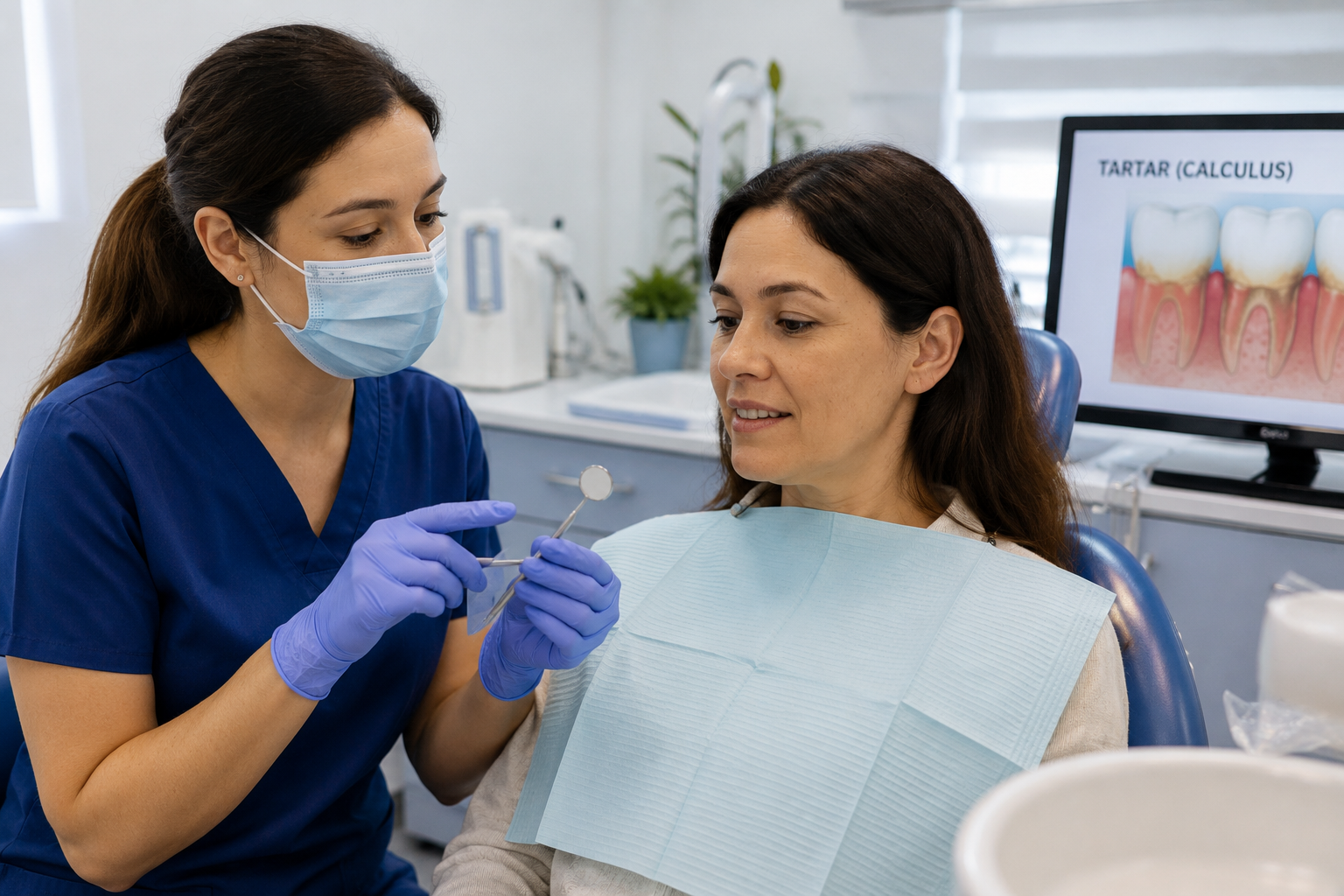
One interesting pattern dental hygienists mention is that tartar is often connected more to consistency than intensity.
People sometimes brush aggressively once daily and assume that is enough. Meanwhile, someone else using gentler but more consistent habits may experience less buildup over time.
Another overlooked factor is stress.
During stressful periods, many people unconsciously neglect flossing, hydrate less, breathe through the mouth during sleep, or snack more frequently. Those small habit shifts can noticeably affect oral health after several weeks.
This is why tartar prevention is rarely about one perfect product. It is usually about sustainable routines repeated consistently.
When You Should See a Dentist
It is worth scheduling a professional evaluation if you notice:
- Bleeding gums that continue for more than a week
- Heavy yellow or brown buildup
- Persistent bad breath despite brushing
- Gum recession
- Loose teeth
- Pain while chewing
- Swollen or tender gums
Early treatment is usually simpler and less expensive than waiting until gum disease progresses.
A more complete long-term strategy is explained here: Complete Tartar Removal Guide for Long-Term Oral Health
FAQ – How Tartar Forms on Teeth
Does tartar go away with brushing?
No. Once plaque hardens into tartar, regular brushing usually cannot remove it completely. Professional dental cleaning is often necessary.
How can I slow tartar buildup naturally?
Consistent brushing, flossing, hydration, reduced sugar intake, and regular cleanings are the most reliable ways to slow tartar accumulation.
Is tartar dangerous?
Small amounts are common, but untreated tartar can contribute to gum inflammation, bad breath, and eventually periodontal disease.
Why do I get tartar so quickly?
Some people naturally develop tartar faster because of saliva minerals, crowded teeth, dry mouth, smoking, or inconsistent cleaning habits.
Can mouthwash remove tartar?
Mouthwash may help reduce bacteria and freshen breath, but it typically cannot remove hardened tartar once it forms.
About the Author — Dental Pro 7 Ingredients Editorial Team
The Dental Pro 7 Ingredients Editorial Team researches oral health topics related to gum care, plaque buildup, bad breath, tartar prevention, and healthy dental routines. Our content is developed using information from dental organizations, peer-reviewed oral health research, clinical dental recommendations, and real-world hygiene practices commonly discussed by dental professionals.
We aim to create practical, readable articles that help everyday readers better understand oral health without exaggerated claims or fear-based marketing.
Whenever possible, articles are reviewed and updated to reflect current oral care guidance and evolving dental research.
Disclaimer – How Tartar Forms on Teeth
This article is for educational and informational purposes only and does not constitute medical or dental advice. Always consult a licensed dentist or healthcare professional regarding symptoms, diagnosis, or treatment recommendations related to oral health conditions.
Individual experiences with oral care products and supplements may vary. The publisher may receive compensation from qualifying purchases through affiliate links mentioned in this article.
References – How Tartar Forms on Teeth
Use naturally within article or footer references section:

One Comment