Diabetes and Tartar Buildup: Understanding the Link
Diabetes and Tartar Buildup: Last Updated: September 4, 2026 · 7 min read
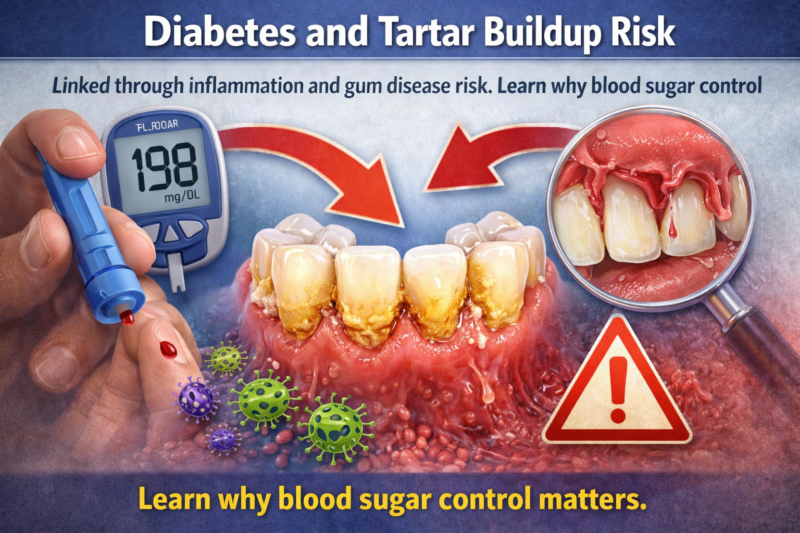
Diabetes affects more than blood sugar levels. It can also influence oral health and gum function. The connection between diabetes and tartar buildup is important because elevated glucose levels can change the oral environment, encourage bacterial growth, and increase gum inflammation.
Understanding this relationship can help people with diabetes protect their teeth and gums. Good blood sugar management, daily oral hygiene, and regular dental care all play important roles.
How Diabetes Changes the Oral Environment
When blood sugar levels remain high, glucose levels in saliva may also increase. This can create conditions that support the growth of harmful oral bacteria.
Higher glucose levels can:
- Support plaque-forming bacteria
- Encourage plaque accumulation
- Increase gum inflammation
- Create a more favorable environment for bacterial growth
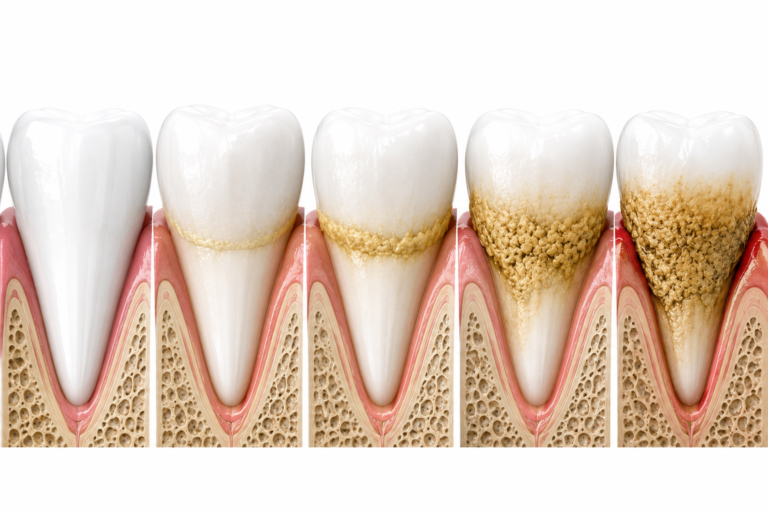
Plaque is a sticky film of bacteria that forms continuously on teeth. Brushing and flossing help remove plaque before it hardens into tartar (calculus).
For people with diabetes, increased plaque activity and gum inflammation may contribute to faster tartar accumulation. The gumline can become a common area for this buildup.
High sugar exposure can also influence plaque development. Learn more about the relationship between diet and oral deposits in our guide to whether sugar causes tartar buildup on teeth.
Reduced Immune Response
Diabetes can affect the body’s ability to respond effectively to infection. Gum tissues may then experience slower healing and prolonged inflammation.
Common effects include:
- Slower tissue healing
- Greater sensitivity to bacterial activity
- Persistent gum inflammation
- Increased susceptibility to periodontal problems
Tartar creates a rough surface where bacteria can attach more easily. This can increase irritation around the gums. In people with diabetes, prolonged inflammation may contribute to more advanced periodontal problems.
Certain medications can also influence the oral environment and contribute to plaque or tartar concerns. Our guide to medications that cause tartar buildup explains which medication-related factors deserve attention.
🦷 Support Your Daily Gum & Plaque Care with Dental Pro 7
Daily brushing and flossing form the foundation of oral hygiene. Dental Pro 7 can complement a consistent oral care routine by supporting gum health and plaque control.
👉 See How Dental Pro 7 Supports Gum & Plaque Control
Use oral care products as part of a broader routine that includes professional dental examinations and appropriate treatment.
Increased Risk of Gum Disease
The relationship between diabetes and tartar buildup can increase periodontal risk. People with poorly controlled diabetes may face a higher risk of gum inflammation and periodontal complications.
Common conditions include:
- Gingivitis, or early gum inflammation
- Periodontitis, or advanced gum disease
- Bone loss around teeth
- Increased tooth mobility
- Tooth loss in advanced cases
Subgingival tartar forms below the gumline. Dental professionals usually need specialized instruments to remove it effectively. Regular dental visits help identify and manage this type of buildup.
Hormonal changes can also influence gum sensitivity and inflammation. Learn how hormonal changes and tartar buildup can affect oral health during different stages of life.
Warning Signs to Monitor
People managing diabetes should watch for changes in their gums and teeth. Common warning signs include:
- Bleeding during brushing or flossing
- Persistent bad breath
- Gum recession
- Red, swollen, or tender gums
- Increased tooth sensitivity
- Loose teeth
These symptoms can indicate gum inflammation or periodontal disease. Early dental evaluation allows problems to be assessed and treated sooner.
Importance of Blood Sugar Control
Stable blood glucose levels support better overall health and may also benefit oral health. Good glycemic control can help reduce inflammatory activity and support healthier gum tissues.
Better glucose management may help reduce:
- Gum inflammation
- Harmful bacterial activity
- Periodontal disease progression
- The severity of oral complications
Diabetes and periodontal disease can also influence each other. Chronic gum inflammation may make blood glucose management more challenging for some people.
Managing blood sugar and oral health together provides a more comprehensive approach to long-term health.
Other Factors That May Increase Tartar Buildup
Diabetes is one factor that can influence oral health. Daily habits and other lifestyle factors also deserve attention.
Coffee, for example, can contribute to tooth staining and may affect oral deposits depending on consumption habits and oral hygiene. Learn more about whether coffee causes tartar buildup on teeth and how daily habits may affect your teeth.
Smoking is another important factor. Tobacco exposure can affect gum health, plaque accumulation, and the overall oral environment. Read our guide on whether smoking increases tartar formation to understand the connection.
These factors can overlap with diabetes-related oral risks. A consistent oral hygiene routine remains important for maintaining healthier teeth and gums.
Preventive Strategies
Managing diabetes and tartar buildup requires consistent daily care. A practical oral health routine includes:
- Brush your teeth twice daily with fluoride toothpaste.
- Clean between teeth every day with floss or another interdental cleaner.
- Schedule professional dental cleanings based on your dentist’s recommendation.
- Monitor blood glucose as recommended by your healthcare professional.
- Attend regular dental examinations.
- Tell your dentist about medications and relevant health conditions.
Professional cleanings are especially useful when tartar has already formed. Dental professionals can remove hardened deposits that daily brushing cannot effectively eliminate.
An integrated approach between medical and dental professionals can provide better protection against periodontal complications.
Understanding the natural ingredients that support gum health can also help people evaluate oral care products for their daily routine.
The Role of Daily Oral Care
Daily oral care remains essential for people with diabetes. Removing plaque regularly helps limit the material that can later harden into tartar.
A simple routine can include:
- Brush for approximately two minutes twice a day.
- Clean between the teeth once daily.
- Clean the tongue regularly.
- Drink water throughout the day.
- Follow recommended dental cleaning schedules.
- Seek professional advice when gum symptoms appear.
People with diabetes can benefit from paying close attention to changes in gum health. Early action can help reduce the risk of more serious periodontal complications.
Many people also explore natural gum health support options as part of their daily oral care routine.
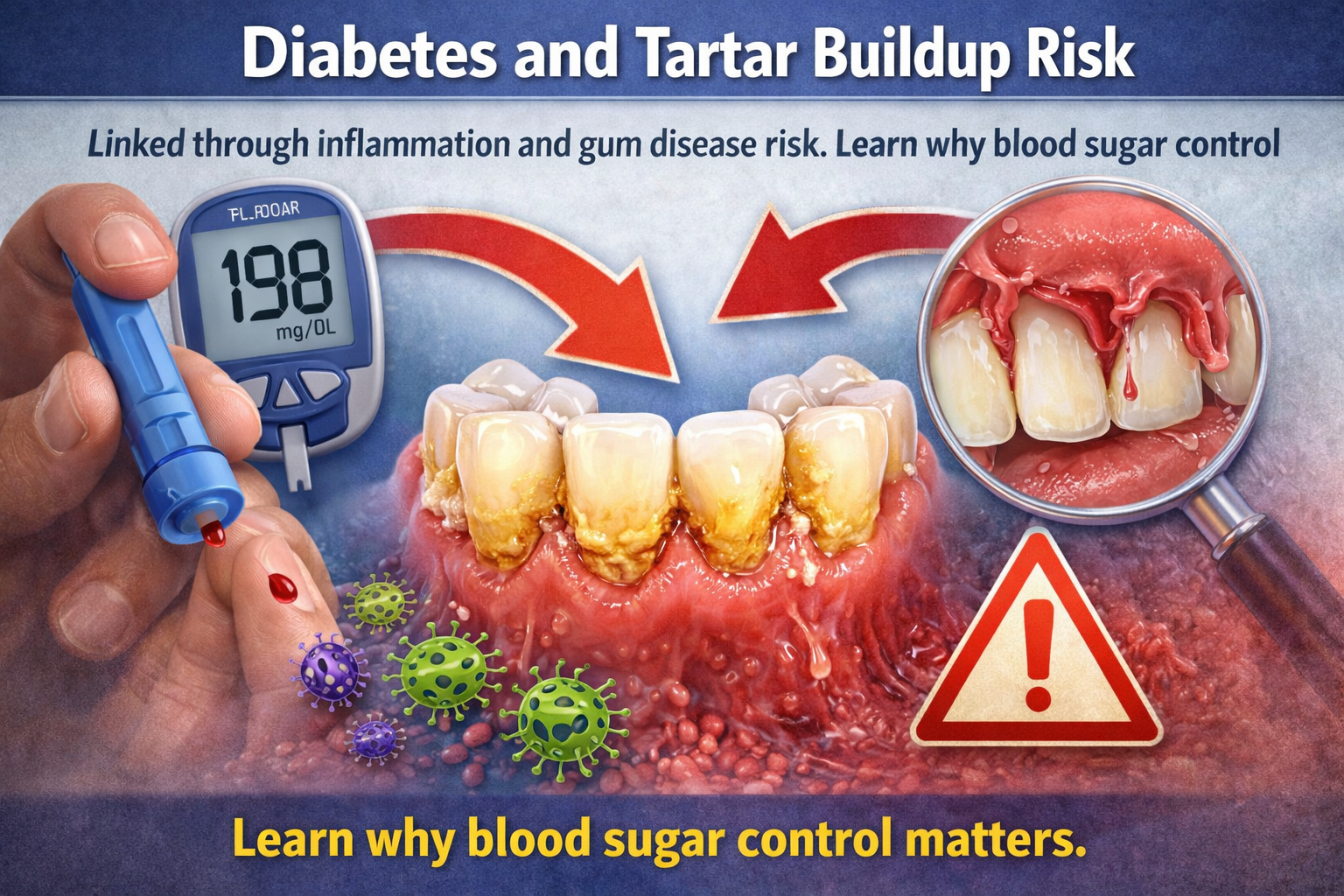
Diabetes and tartar buildup (image)
When to See a Dental Professional
Regular dental visits are especially valuable for people managing diabetes. A dental professional can check for tartar, gum inflammation, periodontal pockets, and other oral health changes.
Seek professional evaluation when you experience:
- Frequent gum bleeding
- Persistent gum swelling
- Ongoing bad breath
- Receding gums
- Loose teeth
- Increasing dental sensitivity
- Visible tartar deposits
Professional care can help identify problems early and establish an appropriate treatment plan.
FAQ – Diabetes and Tartar Buildup
1. Does diabetes cause tartar directly?
Diabetes can contribute to conditions that encourage plaque accumulation and gum inflammation. Plaque can then harden into tartar. Diabetes therefore increases tartar-related risk through changes in the oral environment.
2. Should people with diabetes get more frequent dental cleanings?
Some people with diabetes may benefit from more frequent professional cleanings. The appropriate schedule depends on gum health, tartar accumulation, blood glucose control, and individual dental risk.
3. Can gum disease affect blood sugar?
Yes. Chronic gum inflammation can make blood glucose management more difficult for some people. Managing periodontal health can therefore be an important part of comprehensive diabetes care.
4. Can better blood sugar control improve oral health?
Good blood sugar control can support healthier gum tissues and reduce the risk of certain diabetes-related oral complications. It works best alongside consistent brushing, interdental cleaning, and professional dental care.
5. Can tartar be removed at home?
Daily brushing and interdental cleaning help control plaque. Hardened tartar usually requires professional dental instruments for effective removal. Regular dental cleanings can help control tartar accumulation and protect gum health.
Conclusion
Diabetes and tartar buildup have an important connection. Elevated glucose levels can influence the oral environment, bacterial activity, and gum inflammation. These changes may increase the risk of plaque accumulation and periodontal problems.
A comprehensive approach can help protect oral health. Maintain good blood glucose control, follow a consistent oral hygiene routine, and schedule regular dental examinations.
For people with diabetes, taking care of the gums is an important part of taking care of overall health.