Tooth Decay Prevention: Powerful, Proven Habits for Healthier Teeth
Tooth Decay Prevention for Healthier Teeth: Last Updated, October 28, 2026 | Min Read: 8 minutes
Introduction
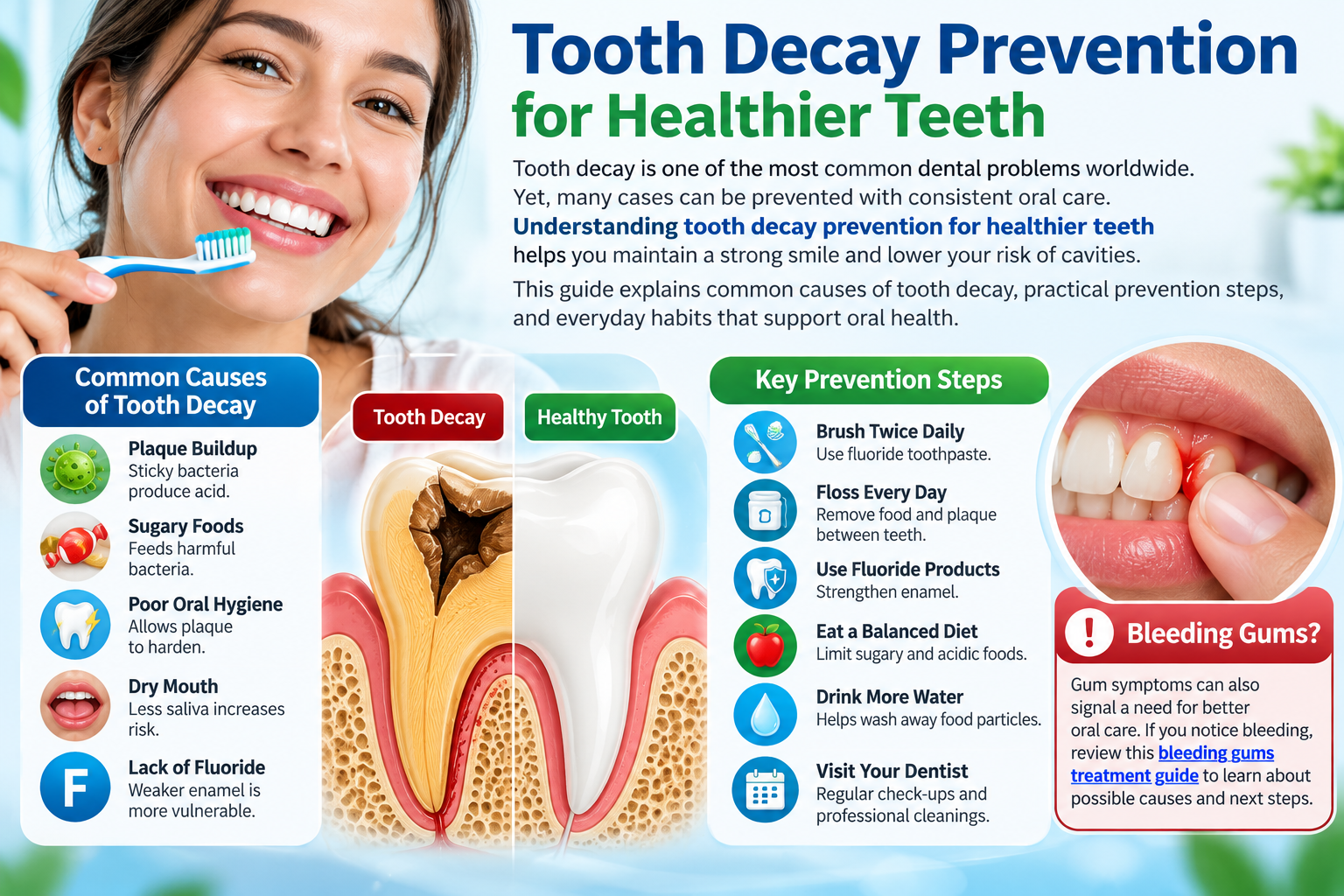
Tooth decay is one of the most common dental problems worldwide. Yet, many cases can be prevented with consistent oral care. Understanding tooth decay prevention for healthier teeth helps you maintain a strong smile and lower your risk of cavities.
This guide explains common causes of tooth decay, practical prevention steps, and everyday habits that support oral health.
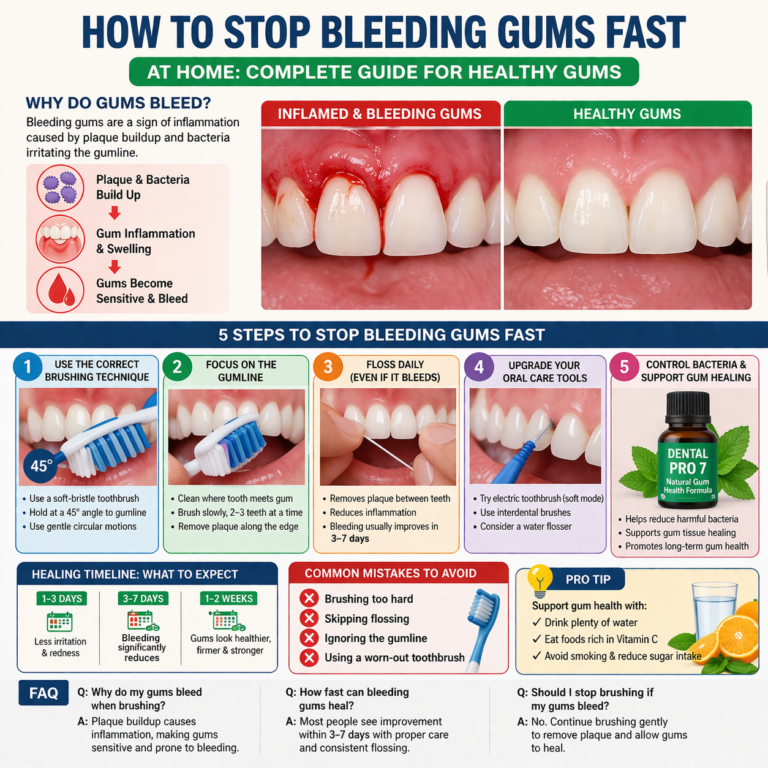
Gum symptoms can also signal a need for better oral care. If you notice bleeding, review this bleeding gums treatment guide to learn about possible causes and next steps.
Prevent Tooth Damage Before It Spreads
Daily prevention can help reduce the need for more extensive dental treatment. Brushing, flossing, and regular dental visits all play a role.
Dental Pro 7 supports gum condition as part of a complete oral care plan.
Explore whether the product fits your routine, and continue following evidence-based oral hygiene practices.
What Is Tooth Decay?
Tooth decay, also known as cavities or dental caries, occurs when bacteria in the mouth produce acids that damage tooth enamel. Over time, decay can form holes in teeth and cause pain. Untreated decay may lead to more serious problems, including tooth loss.
What Causes Tooth Decay?
1. Plaque Buildup
Plaque is a sticky film of bacteria that forms on teeth. After you eat or drink sugars, some bacteria produce acids that can weaken enamel.
Plaque can also contribute to gum problems. Learn more in Plaque vs Tartar Buildup.
2. Sugary and Acidic Foods
Frequent exposure to sugary foods and drinks gives acid-producing bacteria more fuel. Acidic foods and drinks can also contribute to enamel erosion.
3. Inconsistent Oral Hygiene
Inconsistent brushing and flossing allow plaque to remain on teeth. Plaque that stays in place can harden into tartar, which requires professional removal.
4. Dry Mouth
Saliva helps neutralize acids and wash away food particles. Reduced saliva flow can increase the risk of tooth decay.
5. Limited Fluoride Exposure
Fluoride helps strengthen tooth enamel and makes teeth more resistant to acid attacks.
Tooth Decay Prevention for Healthier Teeth
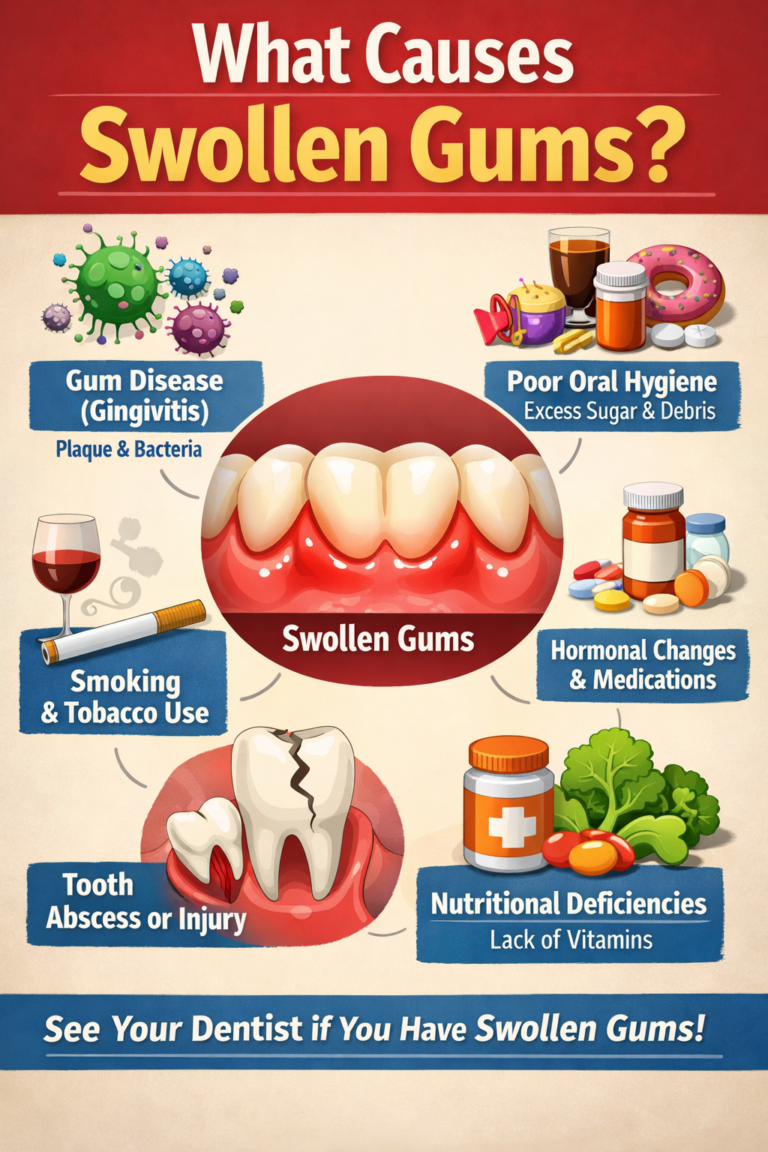
Healthy gums and healthy teeth are connected. Read this receding gums treatment guide for information about protecting gum health.
1. Brush Your Teeth Properly
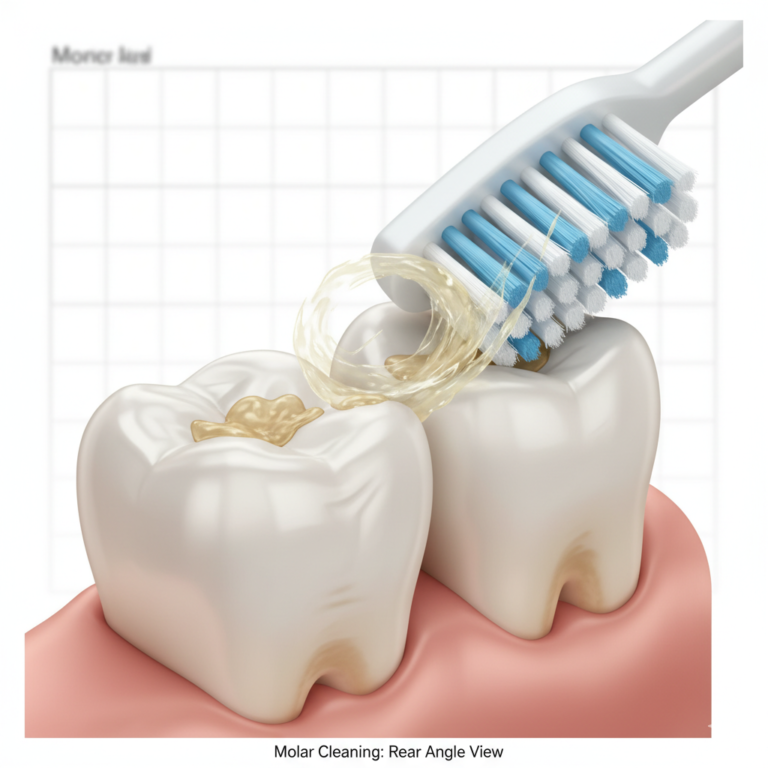
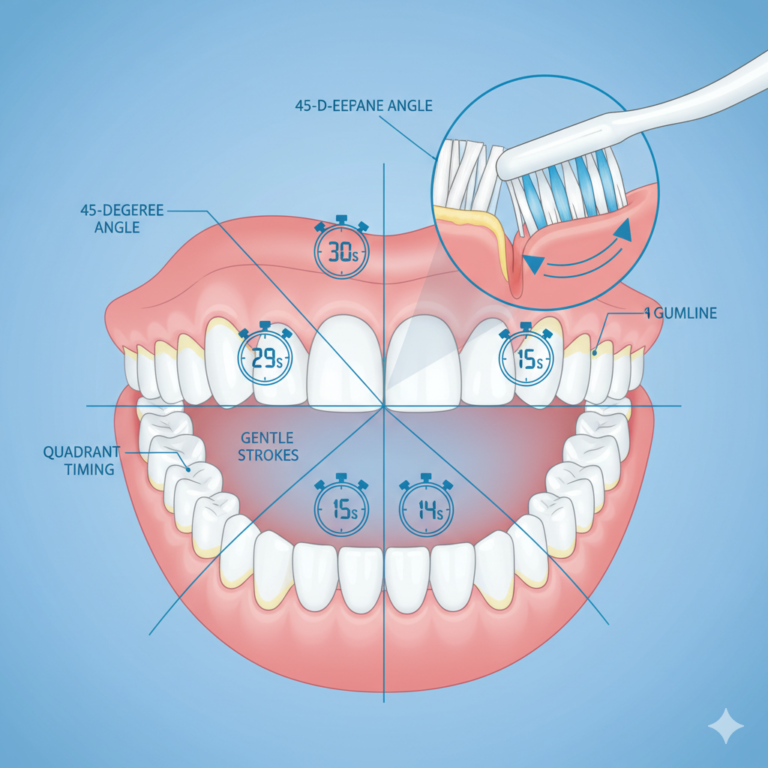
Brush twice a day with fluoride toothpaste. Use a soft-bristled toothbrush and clean gently along the gum-line.
Bacteria and plaque can also contribute to bad breath. Explore this bad breath treatment guide for additional oral-care information.
2. Floss Daily
Floss daily to remove plaque and food particles between teeth, where a toothbrush may not reach well.
3. Use Fluoride Products
Fluoride toothpaste helps strengthen enamel. Ask a dental professional whether additional fluoride products may suit your needs.
4. Limit Frequent Sugar Exposure
Choose fewer sugary snacks and drinks. When you do consume them, keep them to mealtimes where practical.
5. Drink Water Regularly
Water helps rinse away food particles. Fluoridated tap water can also provide additional protection where available.
6. Visit Your Dentist Regularly
Dental checkups help identify early problems. Professional cleanings also remove hardened deposits that brushing cannot remove.
Best Foods for Healthy Teeth
A balanced diet can support tooth decay prevention. Consider including:
- Crunchy fruits and vegetables, such as apples and carrots
- Dairy products, such as milk, cheese, and yogurt
- Leafy greens
- Nuts and seeds
- Foods containing calcium and phosphorus
Food choices also affect the oral environment. Limiting frequent sugar exposure supports enamel protection and can complement daily brushing and flossing.
Early Signs of Tooth Decay
Early dental problems may be easier to manage when identified promptly. Possible signs include:
- Tooth sensitivity
- White, brown, or dark spots on teeth
- Persistent bad breath
- Mild toothache
- Pain when eating sweet or hot foods
Some symptoms can also occur with gum disease. Review gum disease early signs for more information.
If you notice persistent sensitivity or visible deposits near the gum-line, arrange a dental assessment. Hardened tartar can irritate gums, and a dental professional can assess whether it contributes to your symptoms.
Natural Ways to Support Oral Health
- Maintain a balanced diet.
- Drink enough water.
- Clean your tongue as part of your oral hygiene routine.
- Use oral care products according to their instructions.
Home remedies should not replace brushing with fluoride toothpaste, inter-dental cleaning, or professional advice. Evidence for some popular practices varies.
Common Mistakes to Avoid
- Brushing too hard, which can damage gums and contribute to wear
- Skipping inter-dental cleaning
- Frequently sipping sugary drinks
- Ignoring persistent symptoms
- Missing recommended dental visits
Tooth Decay Prevention: Practical Tips for Long-Term Protection
- Replace your toothbrush when bristles become worn.
- Choose a soft-bristled toothbrush.
- Avoid tobacco products.
- Clean your tongue daily if appropriate for your routine.
- Consider sugar-free gum to stimulate saliva when suitable.
Tartar Buildup, Tooth Discoloration, and Tooth Decay Prevention
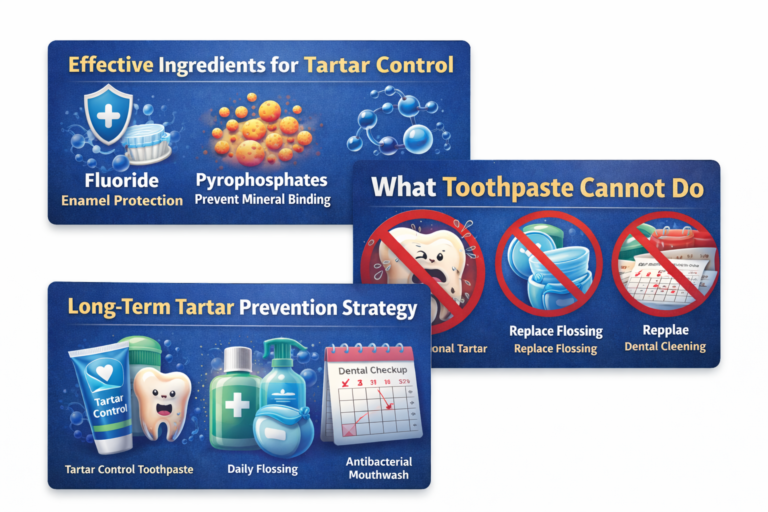
Plaque that remains on teeth can harden into tartar. Tartar may appear yellow or brown and can collect near the gum-line. Brushing and flossing help control plaque, but they do not reliably remove tartar that has already hardened.
If tartar returns soon after a cleaning, review tartar buildup recurrence: why it happens. This guide can help explain common contributing factors and the importance of consistent plaque control.
Tartar can also affect the appearance of teeth. Learn more about tartar buildup and tooth discoloration and discuss persistent stains or deposits with a dental professional.
Some readers also ask about possible links between oral health and general health. Read high blood pressure and tartar: is there a connection? for a careful discussion. An association does not prove that tartar directly causes high blood pressure.
A dentist or dental hygienist can remove hardened tartar with professional instruments. Dental Pro 7 should not be described as a tartar-removal treatment. Daily oral care mainly helps control new plaque and maintain oral hygiene.
Conclusion: Tooth Decay Prevention for Healthier Teeth
Consistent tooth decay prevention helps protect enamel and supports a healthier smile. Brush twice daily with fluoride toothpaste, clean between your teeth, limit frequent sugar exposure, and visit your dentist as recommended.
If you notice recurring bad breath, gum bleeding, tooth sensitivity, or visible tartar, seek appropriate dental advice. Small daily habits can support oral health, while professional care addresses problems that home care cannot resolve.
For complete oral care, explore our guides on bad breath treatment and healthy gums naturally.
FAQ: Tooth Decay Prevention
How can I help prevent tooth decay?
Brush twice daily with fluoride toothpaste, floss or clean between your teeth every day, limit frequent sugar exposure, and see a dental professional regularly.
What is a major cause of tooth decay?
Tooth decay develops when acids produced by bacteria in dental plaque damage enamel over time. Frequent sugar exposure can increase this risk.
Can early tooth decay be reversed?
Early enamel changes may sometimes be remineralized with fluoride and appropriate oral care. A dentist can assess the stage of decay and recommend suitable care. Cavities that have formed usually need dental treatment.
How often should I brush my teeth?
Brush twice a day with fluoride toothpaste, following guidance from your dental professional.
Can brushing remove hardened tartar?
Brushing and flossing help control plaque, but hardened tartar generally requires professional removal by a dentist or dental hygienist.
Affiliate Disclosure
Some links contained within this article may be affiliate links. If a purchase is made through one of these links, Dental Pro 7 Ingredients may earn a commission at no additional cost to the reader.
Affiliate commissions help support website maintenance, content research, and educational resources. Editorial opinions remain independent and are not influenced by affiliate partnerships.
Dental Pro 7 Ingredients Editorial Policy
Dental Pro 7 Ingredients publishes educational content focused on oral hygiene, plaque management, gum health, ingredient research, and oral care products.
Our editorial process emphasizes accuracy, transparency, and reader value. Content is developed using publicly available resources, product information, oral health references, and educational materials whenever available.
Medical Disclaimer
This article does not provide medical or dental advice. Individuals experiencing persistent tooth pain, gum bleeding, swelling, oral pain, or other dental concerns should consult a licensed dentist or qualified healthcare provider for diagnosis and treatment.
About the Author: Dental Pro 7 Ingredients Editorial Team
The Dental Pro 7 Ingredients Editorial Team researches oral hygiene routines, gum health support strategies, plaque-control habits, and ingredient-focused oral care products. Content is developed using publicly available dental references, preventive care resources, and practical oral hygiene information to help readers understand long-term gum care.
Disclaimer
This article is for informational and educational purposes only and should not be considered medical or dental advice. Oral health conditions vary between individuals. Readers experiencing persistent gum pain, bleeding, swelling, tooth sensitivity, or oral discomfort should consult a licensed dentist or healthcare professional for proper diagnosis and treatment.

One Comment