How to Break Down Sticky Teeth Plaque (Safely and Effectively Without Damaging Enamel)
Break Down Sticky Teeth Plaque on teeth is one of the most common — and most misunderstood — oral health issues.
Many people assume that plaque is just a thin layer that can be easily brushed away. But in reality, plaque often becomes sticky, stubborn, and resistant, especially when it has been sitting on teeth for hours or days.
If not addressed properly, this sticky plaque can harden into tartar — a much more serious problem that requires professional removal.
The key question is:
👉 How do you break down sticky plaque effectively without damaging your enamel or gums?
This guide explains the real causes, practical solutions, and smarter strategies that go beyond aggressive brushing.
What Is Sticky Plaque (And Why It’s Hard to Remove)?
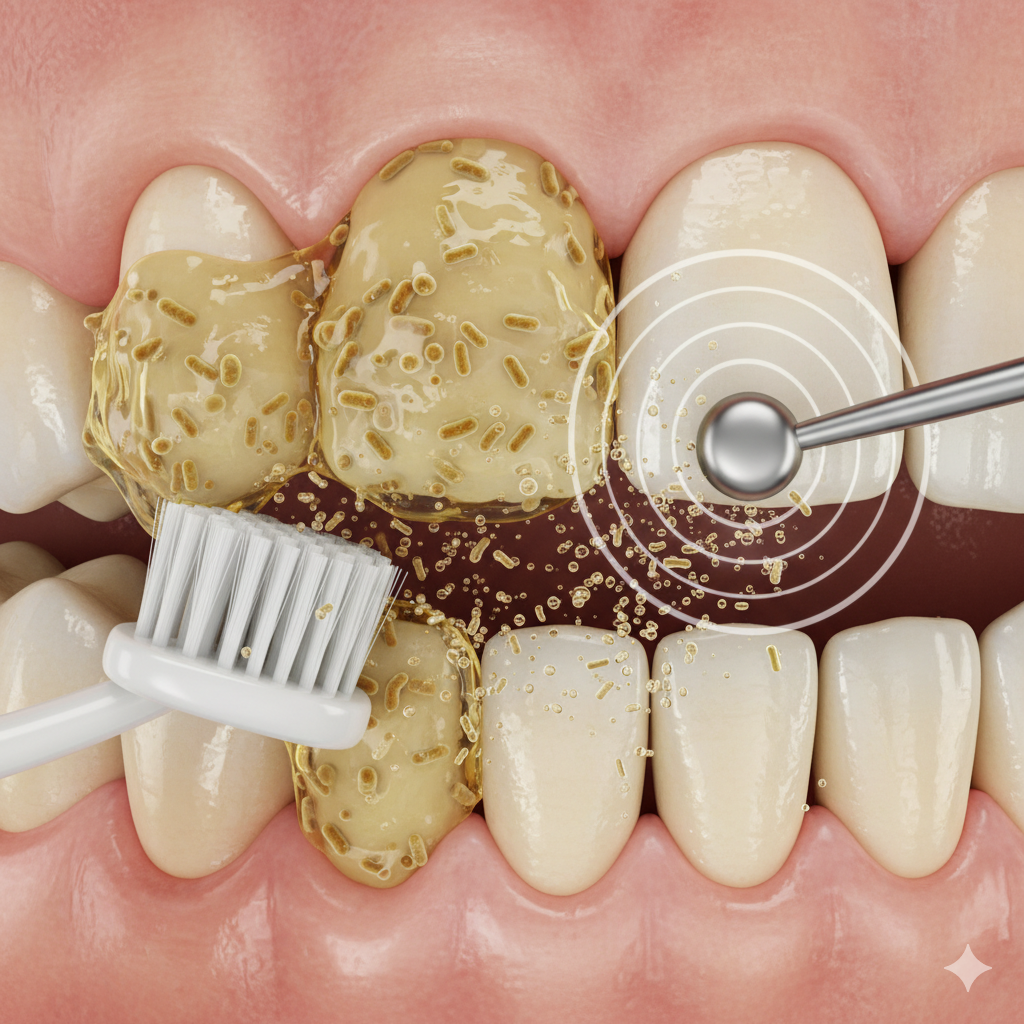
Plaque is a biofilm — a sticky layer of bacteria that forms on your teeth after eating or drinking.
Unlike loose debris, plaque:
- Adheres tightly to enamel
- Forms a protective bacterial layer
- Becomes harder to remove over time
This is why it often feels:
- Slimy or fuzzy
- Hard to clean completely
- Quickly returns after brushing
👉 The longer plaque stays, the stronger it becomes.
Why Plaque Becomes Sticky and Stubborn
Sticky plaque doesn’t happen randomly — it’s the result of several factors:
1. Sugar and Carbohydrate Residue
Bacteria feed on sugars and produce a glue-like substance that helps plaque stick to teeth.
2. Poor Saliva Flow
Saliva helps wash away bacteria. When saliva is low, plaque becomes thicker and more persistent.
3. Inconsistent Brushing Technique
Brushing quickly or aggressively often misses areas near the gumline — where plaque builds fastest.
4. Oral Microbiome Imbalance
When harmful bacteria dominate, plaque becomes more aggressive and adhesive.
The Real Problem: Plaque Turns Into Tartar
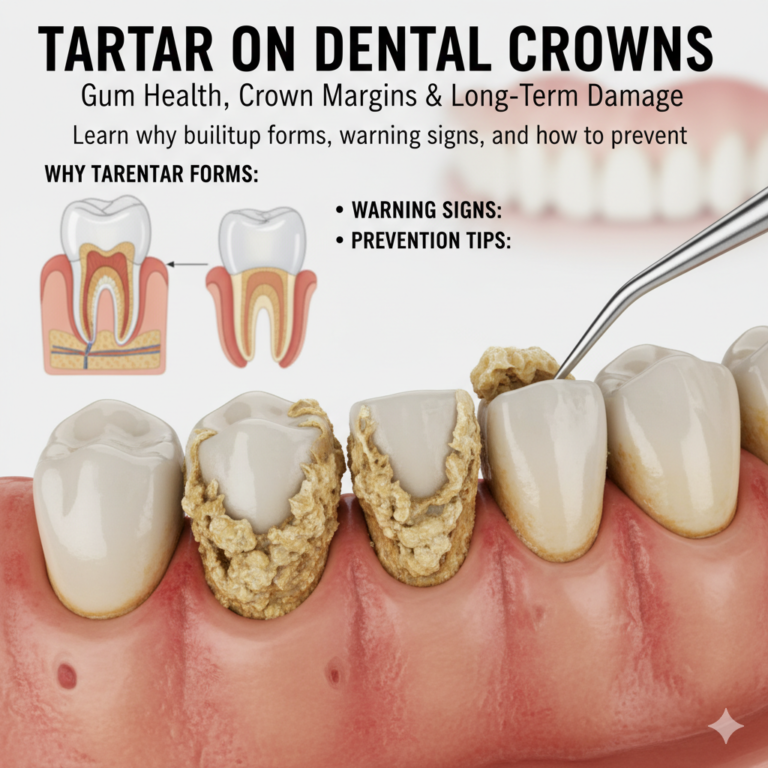
If sticky plaque is not removed in time, it begins to harden.
👉 Learn more about tartar vs plaque differences to understand why early removal is critical.
Once plaque becomes tartar it:
- cannot be removed by brushing
- hardens like a mineral deposit
- increases risk of gum disease
How to Break Down Sticky Plaque (The Right Way)
1. Focus on Technique — Not Pressure
Brushing harder does NOT remove sticky plaque more effectively.
In fact, it can:
- Damage enamel
- Irritate gums
- Miss key plaque zones
Instead:
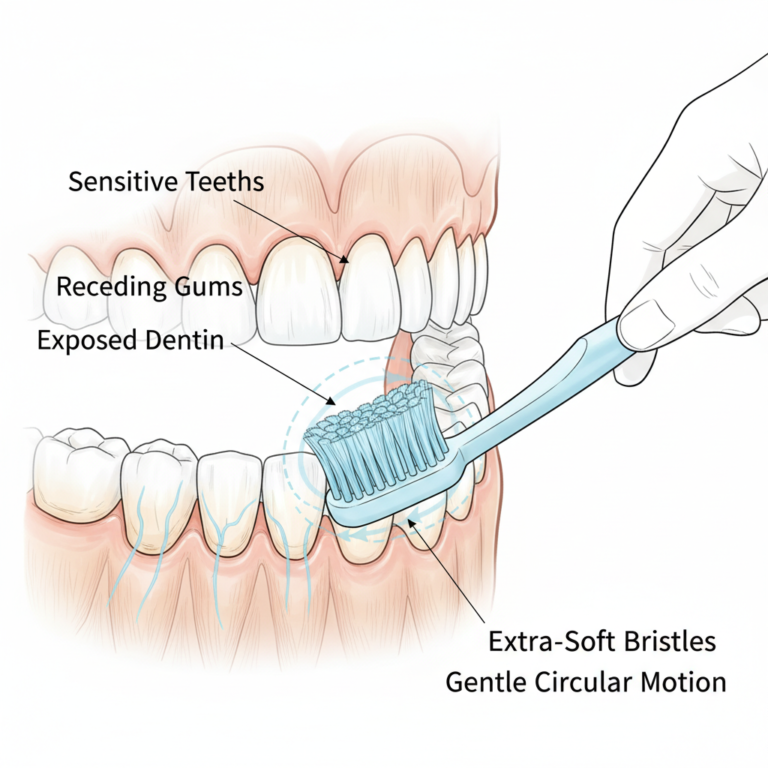
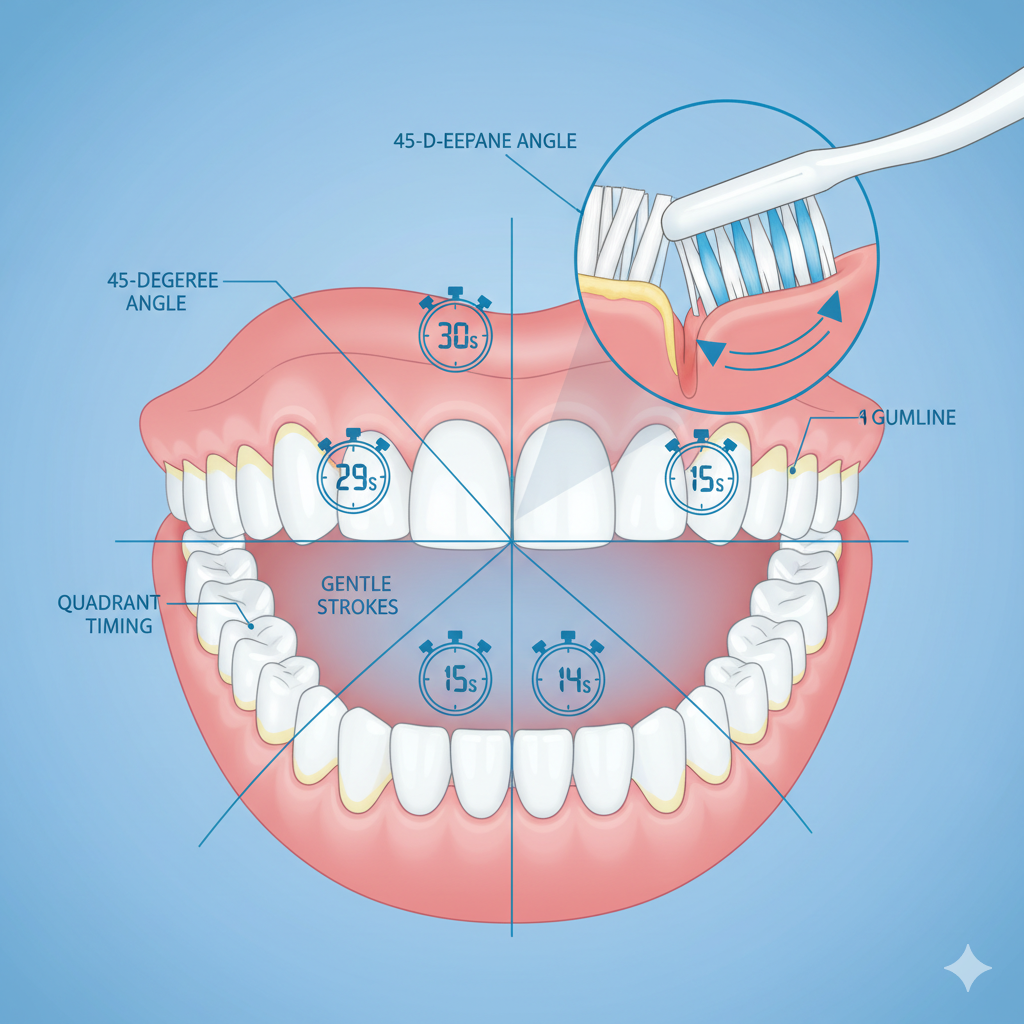
- Use gentle circular motions
- Angle your brush at 45° toward the gumline
- Spend at least 2 minutes brushing
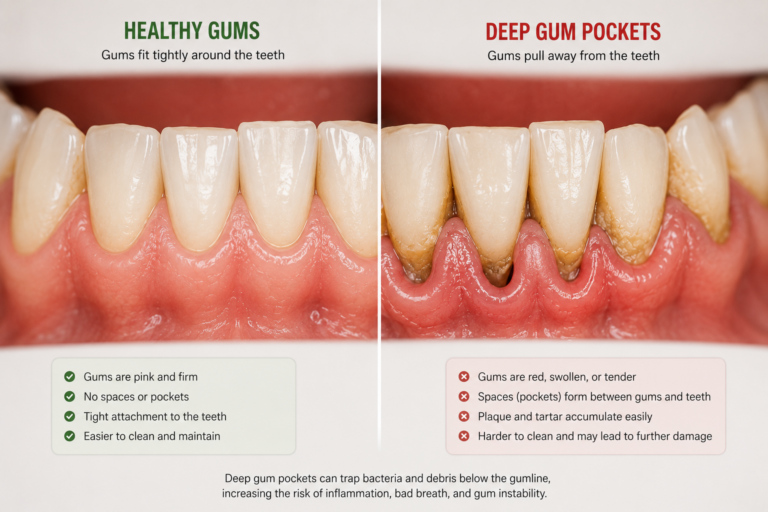
2. Target the Gumline (Critical Area)
Plaque tends to accumulate where teeth meet gums.
If you ignore this area:
👉 Plaque becomes thicker and harder to remove
This is also where tartar commonly forms — especially in specific zones.
👉 Read why tartar behind lower front teeth builds up faster than other areas.
3. Use Timing to Your Advantage
Plaque is softer and easier to remove at certain times.
Best practice:
- Brush twice daily
- Avoid brushing immediately after acidic meals
- Allow saliva to neutralize acids first
4. Support the Breakdown Process (Not Just Removal)
Here’s where most people go wrong:
👉 They try to scrub plaque away
👉 Instead of breaking it down first
A smarter approach includes:
- Supporting bacterial balance
- Reducing plaque adhesion
- Making plaque easier to remove
5. Stay Consistent (Plaque Is Time-Dependent)
Plaque builds continuously.
👉 If you skip routine care, plaque strengthens rapidly.
To understand how fast this happens, read:
👉 how fast does tartar form
Can Plaque or Tartar Break Off Naturally?
Some people believe hardened buildup may fall off on its own.
👉 Here’s the reality:
- Soft plaque → can be removed with brushing
- Hardened tartar → cannot be safely removed at home
For clarity, see:
👉 can tartar break off on its own
🦷 Sticky Plaque That Won’t Go Away?
Precision vibration disruption helps break it down.
👉Check Dental Pro 7 Deep Cleaning Tool
How to Identify Plaque Before It Gets Worse
Early detection is key.
Plaque may appear:
- Colorless or pale yellow
- Sticky or filmy
- Noticeable when you run your tongue over teeth
As it hardens into tartar, it becomes darker.
👉 Learn more about what color is tartar
Real-World Insight: Why Most People Struggle
In real-world patterns, people often fail to remove sticky plaque not because they don’t brush — but because they:
- Brush too quickly
- They focus only on visible areas
- They rely on force instead of technique
👉 The result:
Plaque remains in hidden zones and becomes harder each day.
Smarter Strategy Break down sticky teeth plaque: Think “Disrupt, Then Remove”
Instead of aggressive cleaning, use this model:
- Disrupt plaque structure
- Support oral balance
- Remove gently but consistently
This approach:
- Reduces buildup over time
- Minimizes damage
- Improves long-term results
Common Mistakes That Make Plaque Worse
Avoid these:
- Brushing too hard
- Skipping nighttime brushing
- Ignoring gumline
- Relying only on toothpaste
👉 These habits actually make plaque more stubborn.
FAQ – Break down sticky teeth plaque
Can sticky plaque be completely removed?
Yes, if addressed early with proper technique and consistency.
Why does plaque feel sticky even after brushing?
Because some areas (especially near gums) are often missed.
Is tartar just hardened plaque?
Yes. Tartar is mineralized plaque that requires professional removal.
How can I prevent plaque from becoming tartar?
Remove it daily before it hardens.
Conclusion – Break down sticky teeth plaque
Breaking down sticky plaque isn’t about brushing harder — it’s about understanding how plaque works.
By focusing on:
- Proper technique
- Consistency
- Smarter oral care strategy
You can prevent plaque from turning into a much bigger problem.
👉 The goal isn’t just clean teeth —
👉 It’s long-term oral stability.
💡 You can also explore similar dental health supplements and oral care products on Amazon.