
Advanced Periodontal Disease: Final-Stage Risks Explained
Advanced periodontal disease from tartar: A thin layer of tartar behind the teeth may not seem urgent at first.
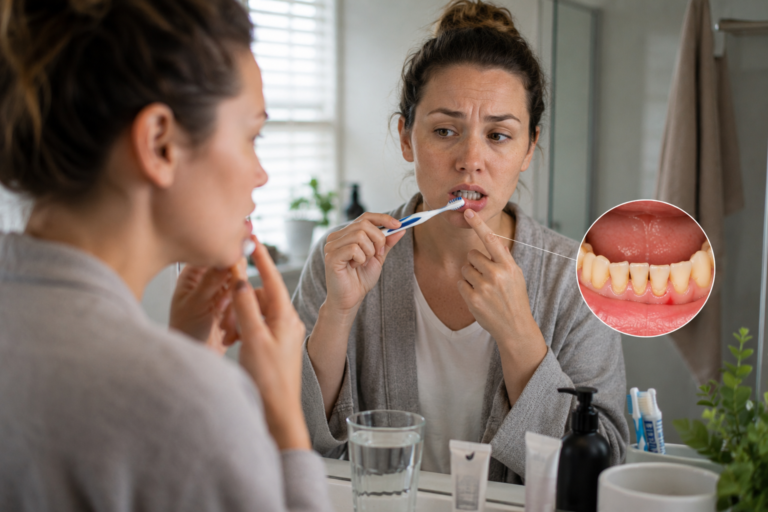
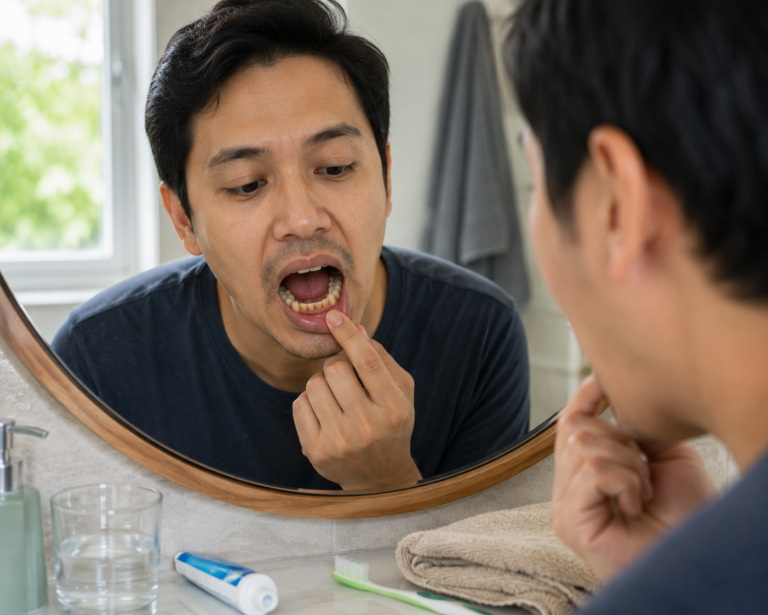
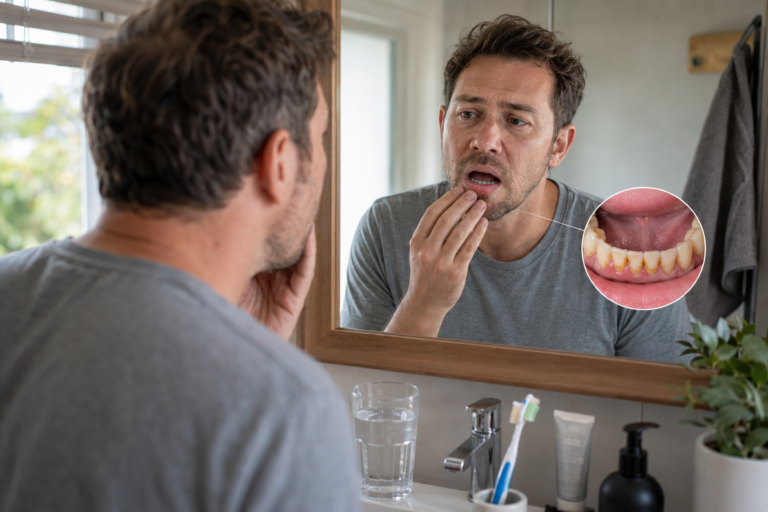
For a while, the problem often feels cosmetic more than medical. A little roughness near the gums. Slight bleeding during brushing. Persistent bad breath that keeps returning after coffee or meals.
Because the changes usually happen gradually, it becomes easy to adapt to them without realizing the condition may already be progressing deeper beneath the gums.
By the time teeth start feeling loose or gum recession becomes visible in photos, the inflammation has often been active for much longer than expected.
Understanding how tartar contributes to advanced gum disease helps explain why early prevention matters far more than aggressive treatment later.
How Tartar Becomes a Long-Term Gum Problem
Plaque forms naturally on teeth every day.
When it stays attached near the gumline long enough, minerals in saliva gradually harden it into tartar, also called dental calculus.
Unlike soft plaque, tartar creates a rough surface that bacteria can cling to more easily. That rough texture makes routine brushing less effective in certain areas, especially behind lower front teeth and around crowded teeth near the gums.
One detail dental hygienists frequently point out during cleanings is how inflammation often develops exactly where tartar has been sitting undisturbed for months or years.
The body reacts continuously to bacterial irritation near the gums. In the beginning, the symptoms may only appear as redness or mild bleeding.
But inflammation that remains active for long periods can eventually begin affecting deeper supporting structures beneath the teeth.
Related reading: Why Tartar Buildup Behind Lower Teeth Is So Common
Why Early Tartar Removal Matters More Than Many People Realize
Many people delay treatment because tartar buildup develops slowly and rarely causes immediate pain. However, the longer tartar remains attached near the gumline, the more opportunities bacteria have to trigger inflammation. What begins as minor irritation may gradually progress into more significant periodontal concerns if left untreated.
Early intervention often helps reduce bacterial accumulation before deeper tissues become affected. Individuals experiencing recurring bleeding, swelling, or gum tenderness may benefit from learning more about gingivitis treatment for healthier gums, especially when symptoms appear alongside visible tartar deposits.
What Happens During Advanced Periodontal Disease
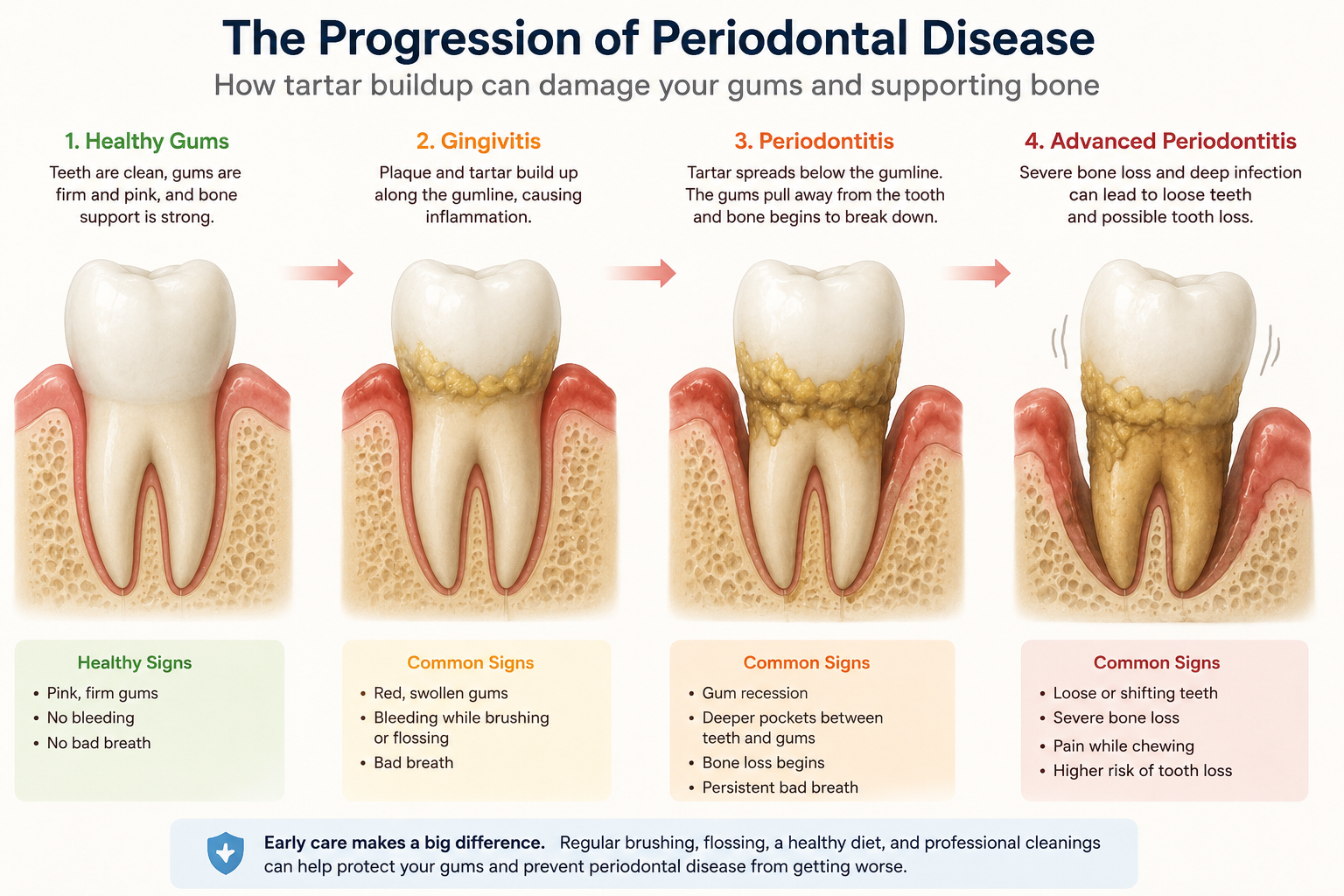
Periodontal disease becomes more serious once inflammation extends below the gumline and begins damaging connective tissue and bone.
Gum Recession
One of the first visible signs is gum recession.
Teeth may begin looking longer than before, especially near the lower front teeth. In family photos or older selfies, the gumline sometimes appears noticeably different compared to previous years.
As gums pull away from the teeth, small pockets form beneath the surface where bacteria continue accumulating.
Persistent Bad Breath
Chronic bad breath linked to periodontal disease often feels different from temporary morning breath.
Even after brushing, the odor tends to return quickly because the bacterial source remains deeper below the gumline.
Loose Teeth or Shifting Bite
As supporting bone weakens, teeth may gradually begin shifting position.
A few people first notice this while chewing certain foods or realizing their teeth no longer fit together the same way they used to.
Increased Tooth Sensitivity
Exposed tooth roots caused by gum recession can make cold drinks, sweets, or even cool air feel uncomfortable.
The sensitivity may appear suddenly even when cavities are not present.
The Connection Between Bone Loss and Advanced Gum Disease
One of the most serious consequences of advanced periodontal disease is the gradual loss of bone that supports the teeth. Unlike surface-level gum irritation, bone loss often occurs beneath the gums where it remains unnoticed for extended periods.
As periodontal disease progresses, bacteria and chronic inflammation may weaken the structures that hold teeth firmly in place. This process can eventually contribute to loose teeth and long-term oral health complications. People concerned about persistent gum inflammation may find useful information through gingivitis treatment for healthier gums, which discusses strategies for supporting healthier gum tissue before more advanced damage develops.
Why Advanced Gum Disease Often Goes Untreated Too Long
One of the more difficult aspects of periodontal disease is that pain does not always appear early.
People frequently assume serious dental problems should hurt constantly, but gum disease often progresses quietly beneath the surface.
Bleeding during brushing becomes normalized. Mild tartar buildup feels harmless because daily life continues normally.
Many people overlook the fact that bleeding gums are rarely the only warning sign. Other gum disease symptoms may develop gradually, including persistent bad breath, gum tenderness, swelling, gum recession, and increasing tooth sensitivity. Recognizing these changes early may help reduce the risk of long-term periodontal damage.
Meanwhile, the inflammatory process continues slowly in the background.
According to the
Centers for Disease Control and Prevention (CDC), untreated periodontal disease remains one of the leading causes of tooth loss in adults.
That long-term progression is what makes early gum symptoms important to recognize rather than dismiss repeatedly.
Related reading: Gum Disease Symptoms You Should Never Ignore
Dry Mouth Can Make Tartar and Gum Disease Worse
Dry mouth creates another layer of difficulty for gum health.
Saliva normally helps rinse away bacteria and food debris naturally throughout the day. When saliva flow becomes reduced, plaque tends to remain attached to teeth longer.
A dry mouth environment may also make tartar feel thicker or harder to control, especially overnight.
People who wake up with sticky teeth, morning bad breath, or dryness near the gums often notice tartar accumulating faster around lower front teeth.
This becomes especially common with:
- mouth breathing during sleep,
- certain medications,
- smoking,
- dehydration,
- or heavy caffeine intake.
Related reading: Dry Mouth and Tartar Buildup: The Hidden Connection
The Emotional Side of Advanced Gum Disease

One thing rarely discussed openly is how periodontal disease can affect confidence and social comfort.
People dealing with chronic bad breath or visible gum recession often become extremely aware of close conversations, smiling, or speaking in public settings.
Others become frustrated because they brush repeatedly throughout the day but still feel like their mouth never feels fully clean.
This emotional exhaustion sometimes leads to avoidance:
- avoiding dental visits,
- avoiding smiling in photos,
- or delaying treatment because the condition feels embarrassing.
That cycle can quietly worsen the situation further.
Habits That May Help Support Long-Term Gum Health
Advanced periodontal disease usually requires professional evaluation and treatment, but daily habits still play an important supporting role.
Prioritize Consistent Professional Cleanings
Once tartar hardens beneath the gumline, home brushing cannot safely remove it completely.
Professional cleaning helps disrupt bacterial buildup before deeper inflammation progresses further.
Pay Attention to Diet and Hydration
Nutrition influences gum tissue health more than most people realize.
Hydration, crunchy vegetables, lower sugar frequency, and nutrient-rich foods may help support healthier oral conditions.
This article explores gum-friendly dietary habits more deeply: Gum Health Diet for Stronger Teeth and Gums
Use Oral-Care Products as Supportive Tools
Certain oral-care products are sometimes included as supportive additions to brushing, flossing, tongue cleaning, hydration, and regular dental care.
Products such as: Callnature – Dental Pro 7
or tartar-focused oral-care products available through. Amazon may be explored as part of a broader oral-hygiene routine.
However, advanced periodontal disease should always be evaluated by a licensed dental professional rather than managed entirely through home products alone.
Readers who want to understand the product formulation can review the complete Dental Pro 7 ingredients guide, explaining the botanical extracts and oral-health supporting components included in the formula.
Alongside consistent brushing and flossing habits, some readers also research natural oral care options through this in-depth Dental Pro 7 review
Why Consistent Gum Care Remains Important After Treatment
Even after professional periodontal treatment, maintaining healthy habits remains essential. Plaque continues forming every day, which means bacteria can gradually return if oral hygiene routines become inconsistent.
Daily brushing, flossing, hydration, and routine dental visits may help reduce future tartar accumulation and support healthier gums. Long-term success often depends on consistency rather than aggressive short-term cleaning efforts. Readers interested in protecting gum health over time can explore gingivitis treatment for healthier gums to better understand preventive approaches commonly recommended for ongoing gum care.
Looking for Additional Gum Health Support?
Many people researching advanced periodontal disease also explore products designed to support healthier gums as part of a complete oral care routine. Dental Pro 7 is frequently discussed among individuals seeking gum-focused oral care solutions that complement brushing, flossing, hydration, and regular professional cleanings.
While no supplement replaces professional periodontal treatment, Dental Pro 7 is often used as a supportive addition to daily oral hygiene habits.
For a broader overview before deciding, explore this Dental Pro 7 review, covering customer experiences, ingredient analysis, reported benefits, and realistic expectations for long-term gum care.
Learn more about Dental Pro 7 and discover how it may support your long-term gum health goals.
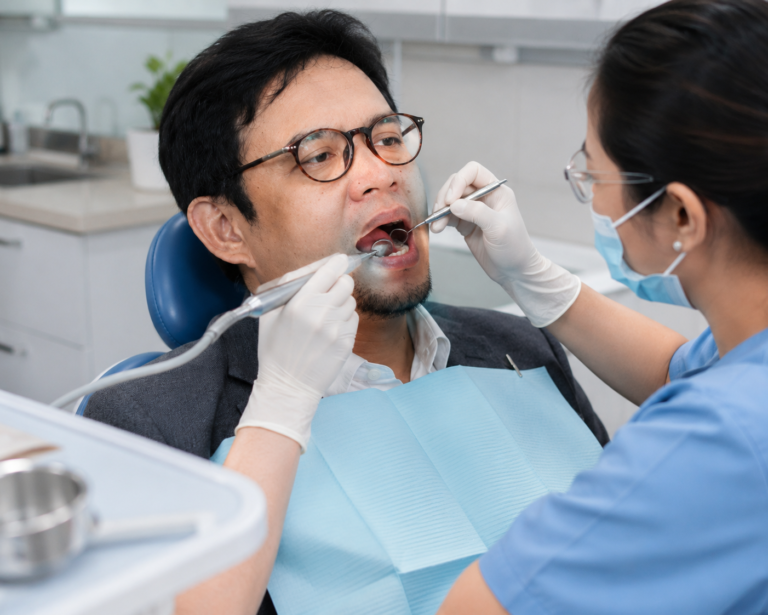
When Professional Dental Evaluation Becomes Important
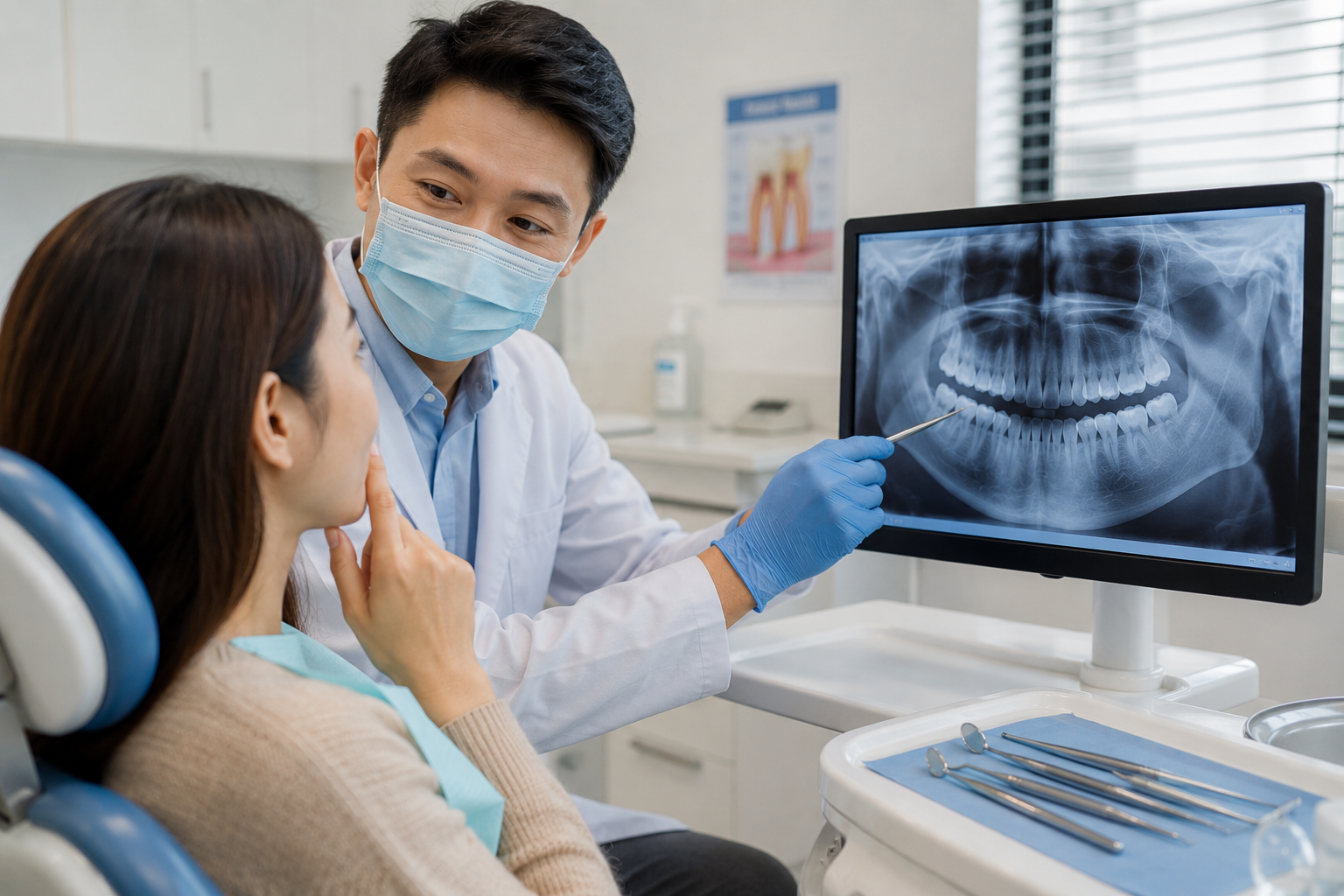
Persistent symptoms should not simply be brushed aside repeatedly.
Bleeding gums, loose teeth, visible tartar near the gumline, chronic bad breath, gum recession, or pain while chewing are all reasonable reasons to schedule a dental evaluation.
In many cases, earlier treatment helps preserve more of the supporting gum and bone structure around the teeth.
Waiting until symptoms become severe usually makes treatment more difficult, more expensive, and emotionally more stressful.
Why Delaying Treatment Can Increase Long-Term Costs
Understanding the risks of Advanced periodontal disease from tartar also highlights the importance of early intervention. As tartar remains on the teeth and inflammation progresses, treatment often becomes more complex and may require additional periodontal procedures. Because Advanced periodontal disease from tartar can involve deeper gum pockets, bone loss, and ongoing maintenance, addressing buildup early may help reduce future treatment needs. Readers interested in professional care expenses can review tartar removal cost pricing factors and treatment options to better understand the factors that influence dental and periodontal treatment costs.
Final Thoughts – Advanced Periodontal Disease From Tartar
Advanced periodontal disease rarely appears suddenly.
The condition usually begins with smaller warning signs that gradually become easier to ignore: tartar buildup, bleeding gums, persistent bad breath, gum tenderness, or dry mouth symptoms that never fully improve.
What makes the disease serious is not only the visible gum inflammation, but the slow damage that may continue beneath the surface for years.
The encouraging part is that awareness still matters.
Recognizing symptoms earlier, improving daily oral-care habits, staying consistent with dental cleanings, and seeking professional evaluation when symptoms continue can make a meaningful long-term difference for gum health.
Frequently Asked Questions – Advanced Periodontal Disease From Tartar
Can tartar lead to advanced periodontal disease?
Yes. Tartar creates rough surfaces where bacteria can accumulate near the gums, increasing long-term inflammation that may contribute to periodontal disease.
What are signs of advanced gum disease?
Common signs include gum recession, loose teeth, chronic bad breath, bleeding gums, tooth sensitivity, and discomfort while chewing.
Does dry mouth make gum disease worse?
Reduced saliva flow may allow plaque and bacteria to remain on teeth longer, increasing irritation near the gums.
Can advanced periodontal disease cause tooth loss?
Yes. Severe periodontal disease may damage the bone and supporting tissues that help keep teeth stable.
About the Author — Dental Pro 7 Ingredients Editorial Team
The Dental Pro 7 Ingredients Editorial Team publishes educational content focused on oral hygiene, gum health, plaque buildup, tartar prevention, dry mouth concerns, and long-term preventive dental habits.
Our articles are developed using preventive dentistry resources, public oral-health education materials, dental publications, and commonly discussed patient concerns observed in routine dental-care settings.
We aim to create practical and understandable oral-health content that prioritizes clarity, realistic prevention habits, and reader usefulness rather than exaggerated claims or fear-based marketing.
Content is periodically reviewed and updated to improve factual accuracy, readability, and long-term educational value.
Disclaimer – Advanced Periodontal Disease From Tartar
This article is intended for informational and educational purposes only and should not be considered medical or dental advice.
Always consult a licensed dentist or healthcare professional regarding persistent gum symptoms, loose teeth, bleeding gums, chronic bad breath, or periodontal disease concerns.
Some links within this article may be affiliate links. If a purchase is made through these links, the website may earn a small commission at no additional cost to the reader.
Product references are provided for informational purposes only and are not intended to replace professional diagnosis, periodontal treatment, or dental care.