Dry Mouth and Tartar Buildup: The Hidden Connection
Dry Mouth and Tartar Buildup: Most people think tartar buildup happens because they are not brushing well enough.
But many dental professionals notice something else during routine cleanings: some patients develop tartar unusually fast even when they brush consistently every day.
One hidden factor that often gets overlooked is dry mouth.
When the mouth does not produce enough healthy saliva, plaque can become much harder to control. The mouth loses part of its natural cleaning system, which allows bacteria, food debris, and mineral deposits to stay on the teeth longer than they should.
Over time, that combination may contribute to tartar buildup, bad breath, gum irritation, and a constant feeling that the mouth never feels fully clean.
Understanding the relationship between saliva and tartar can help explain why some people struggle with recurring buildup despite having relatively decent oral hygiene habits.
Why Saliva Matters More Than Most People Realize
Saliva does far more than simply keep the mouth moist.
A healthy flow of saliva helps:
- wash away food particles,
- neutralize acids produced by bacteria,
- support healthy oral bacteria balance,
- lubricate gum tissue,
- and reduce plaque accumulation naturally.
Dentists sometimes describe saliva as the mouth’s built-in defense system.
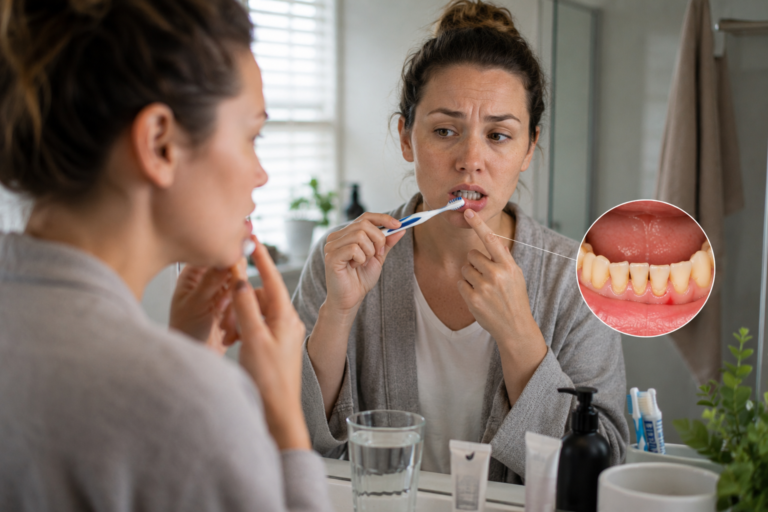
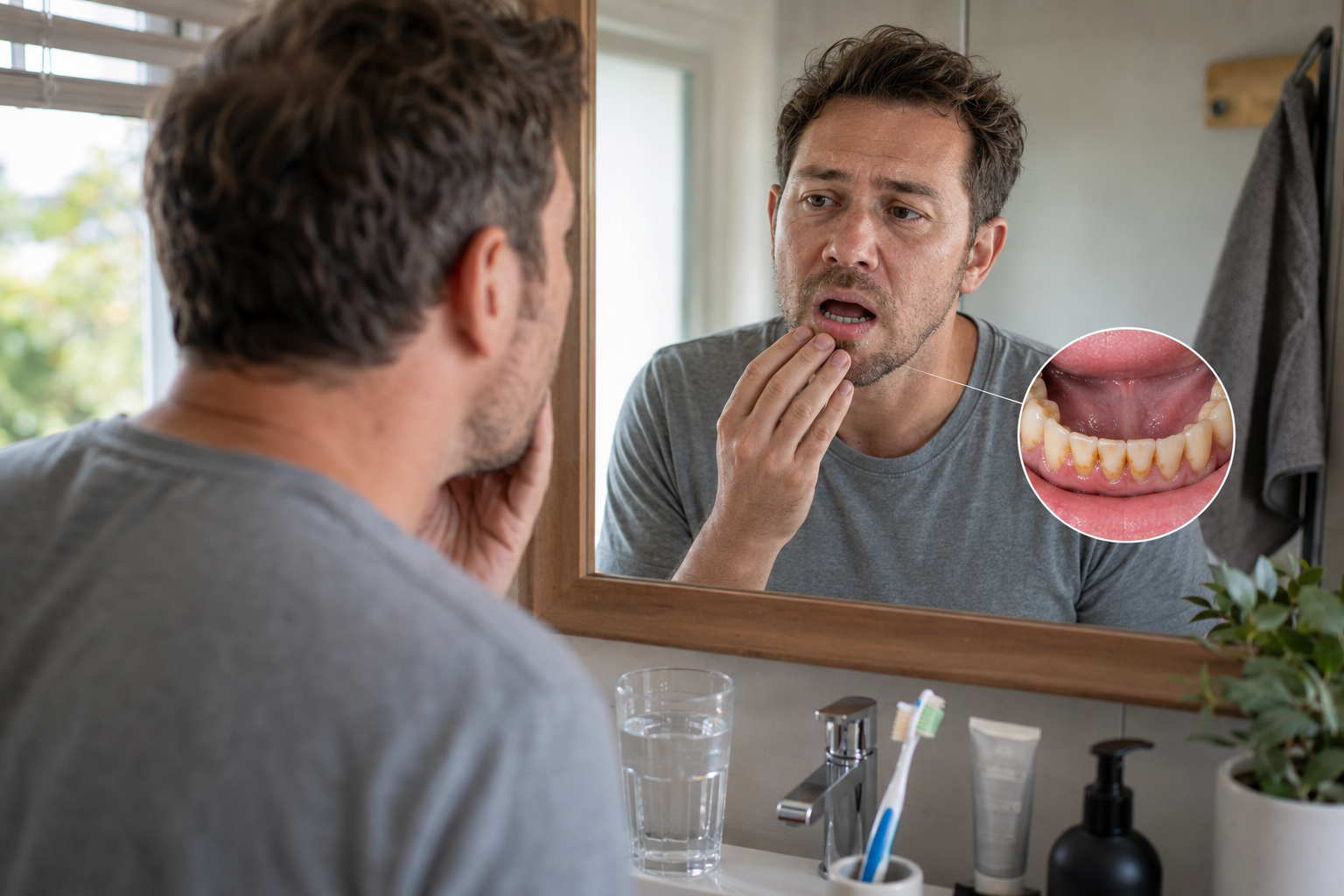
When saliva flow decreases, plaque tends to stay attached to teeth longer. This is especially noticeable around the gumline and behind the lower front teeth, where tartar commonly forms first.
That is one reason many people with chronic dry mouth notice roughness, yellow buildup, or increased staining in those areas.
Related reading: Why Tartar Buildup Behind Lower Teeth Is So Common
How Dry Mouth Contributes to Tartar Buildup
Dry mouth does not directly create tartar overnight.
The process is usually gradual.
Plaque naturally forms on teeth every day. Under normal conditions, saliva helps loosen and rinse away part of that bacterial film. But when saliva becomes limited or thick, plaque tends to remain undisturbed longer.
Eventually, minerals from saliva can harden plaque into tartar.
Ironically, even though dry mouth means “less moisture,” the saliva that remains can sometimes become thicker or more concentrated, especially during dehydration or overnight mouth breathing.
Dental hygienists often observe heavier tartar deposits in patients who complain about waking up with a sticky or dry-feeling mouth.
Common Causes of Dry Mouth

Dry mouth is more common than many people think.
Some causes are temporary, while others may persist for years.
Mouth Breathing During Sleep
People who sleep with their mouth open often wake up with dryness, bad breath, and sticky plaque accumulation near the gums.
Coffee and Caffeine Habits
Frequent coffee consumption may contribute to dehydration in some individuals, especially when water intake is low throughout the day.
Certain Medications
Many medications list dry mouth as a side effect, including antihistamines, antidepressants, blood pressure medications, and some allergy treatments.
Smoking and Tobacco Use
Tobacco products can reduce saliva quality and irritate gum tissue over time.
Chronic Stress
Stress and anxiety may indirectly affect saliva production and contribute to nighttime clenching, mouth breathing, or dehydration habits.
Signs Your Dry Mouth May Be Affecting Oral Health
Some symptoms appear subtle at first.
People often assume they simply need stronger toothpaste or more aggressive brushing.
But persistent dry mouth may show up as:
- bad breath returning quickly after brushing,
- sticky feeling on teeth,
- roughness behind lower teeth,
- increased tartar during dental cleanings,
- gums that feel irritated easily,
- frequent thirst,
- or waking up with a dry tongue.
The problem is not always poor hygiene.
Sometimes the mouth simply lacks the protective environment needed to control plaque effectively.
Reduced saliva flow may allow plaque to remain on teeth longer, increasing the risk of tartar buildup.
Why Tartar and Gum Disease Often Develop Together
Tartar creates rough surfaces where bacteria can continue accumulating.
As bacteria remain near the gums, inflammation may gradually develop.
This is why tartar buildup and gum disease frequently appear together during dental exams.
In early stages, symptoms may include:
- mild bleeding during brushing,
- gum tenderness,
- redness near the gumline,
- or persistent bad breath.
Unfortunately, many people ignore these warning signs because they are painless at first.
This article explains some of those symptoms more deeply:
Gum Disease Symptoms You Should Never Ignore
In more advanced situations, untreated tartar and gum inflammation may contribute to periodontal disease and bone loss.
Advanced Periodontal Disease From Tartar: Final Stage Risks
Small Daily Habits That May Help Reduce Dry Mouth and Tartar

Improving saliva support usually involves small, sustainable habits rather than dramatic changes.
Drink Water More Consistently
Many people only drink water when they already feel thirsty. Mild dehydration throughout the day can quietly worsen dry-mouth symptoms.
Avoid Overbrushing
Aggressive brushing does not remove tartar once it hardens. In fact, brushing too hard may irritate already-sensitive gums.
Gentle consistency usually works better than force.
Support Oral Bacteria Balance
Some people explore probiotic supplements, herbal oral-care products, and ingredient-focused formulations as part of a broader oral hygiene routine. Understanding the ingredients used in these products may help individuals choose options that align with their oral health goals.
Products such as Callnature
or selected oral-care products available through Amazon are sometimes used alongside brushing, flossing, hydration, tongue cleaning, and routine dental care.
These products are generally viewed as supportive additions rather than replacements for professional treatment.
Pay Attention to Diet
Nutrition may influence gum and saliva health more than many people realize.
Crunchy vegetables, hydration-rich foods, and reduced sugar frequency may help support healthier oral conditions over time.
Related reading: Gum Health Diet for Stronger Teeth and Gums
Professional Dental Care Still Matters
One important misconception is that tartar can be removed completely at home once it hardens.
It usually cannot.
While hydration, nutrition, and good brushing habits all contribute to better oral health, the ingredients found in daily oral care products also deserve attention. Choosing products with carefully selected ingredients may help support a cleaner mouth and healthier gums as part of a consistent routine. Readers interested in learning more about the formulation can explore Dental Pro 7 Ingredients, which provides an overview of the ingredients commonly discussed for everyday gum care.
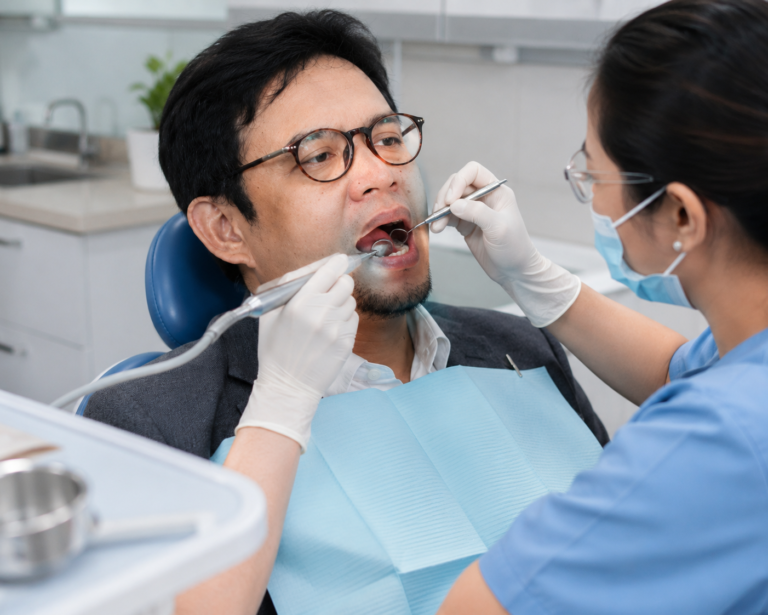
Professional cleanings remain one of the most effective ways to remove hardened tartar safely, especially around the gumline and behind lower front teeth.
Dentists may also help identify whether dry mouth is related to medication, breathing habits, gum disease, hydration, or underlying health conditions.
For people with recurring tartar despite good brushing habits, evaluating saliva health can sometimes reveal part of the missing explanation.
Why Managing Dry Mouth Early May Help Reduce Future Treatment Needs
Understanding the connection between Dry Mouth and Tartar Buildup may help individuals take preventive action before oral health problems become more difficult to manage. When saliva flow remains reduced for extended periods, plaque may stay on teeth longer and increase the likelihood of tartar accumulation. Because Dry Mouth and Tartar Buildup can contribute to gum irritation and periodontal concerns, early management may help reduce future treatment needs. Readers interested in professional care expenses can explore tartar removal cost pricing factors and treatment options to better understand the factors that influence tartar removal and periodontal treatment costs.
Managing dry mouth and reducing tartar buildup often requires a combination of hydration, regular professional cleanings, and consistent oral hygiene. Some individuals also explore natural oral care products as part of their daily routine to complement these habits. For readers looking for a broader overview of one such product, this Dental Pro 7 Review explains its ingredients, intended benefits, and how it may fit into a comprehensive oral care routine alongside brushing and flossing.
Final Thoughts
Dry mouth and tartar buildup are more connected than many people realize.
When saliva flow becomes reduced or unbalanced, plaque tends to remain on teeth longer, increasing the chance that it hardens into tartar over time.
This does not automatically mean someone has poor oral hygiene.
In many cases, the issue involves a combination of anatomy, hydration, medications, breathing habits, diet, and saliva quality.
Understanding that connection helps shift the focus away from brushing harder and toward supporting a healthier oral environment overall.
Small daily improvements — hydration, gentle cleaning habits, regular dental visits, and paying attention to dry-mouth symptoms — often make a more meaningful difference than aggressive routines that are difficult to maintain.
Frequently Asked Questions – Dry mouth and tartar buildup
Can dry mouth really cause tartar buildup?
Dry mouth itself does not instantly create tartar, but reduced saliva flow allows plaque to remain on teeth longer, increasing the chance of tartar formation.
Why does tartar build up faster behind lower teeth?
The lower front teeth sit near major saliva glands, where mineral-rich saliva can contribute to plaque hardening more quickly.
Can drinking more water help reduce tartar?
Staying hydrated may support healthier saliva flow, which helps rinse away food particles and bacteria naturally.
Does dry mouth also cause bad breath?
Yes. Reduced saliva allows bacteria to accumulate more easily, which may contribute to persistent bad breath.
Can tartar be removed naturally at home?
Once tartar hardens, it usually requires professional dental cleaning for safe removal.
Are natural oral-care products enough to prevent tartar?
Natural oral-care products may support daily hygiene routines, but they should not replace brushing, flossing, hydration, or professional dental care.
About the Author — Dental Pro 7 Ingredients Editorial Team
The Dental Pro 7 Ingredients Editorial Team researches oral health topics related to plaque buildup, gum health, bad breath, tartar prevention, and daily oral hygiene habits. Our editorial process focuses on combining practical dental-care knowledge, preventive oral-health principles, and real-world concerns commonly experienced by dental patients.
Content is developed through the review of dental publications, oral-health education resources, and preventive care guidance to create articles that are helpful, understandable, and realistic for everyday readers.
We prioritize educational value over exaggerated claims and regularly update content to improve clarity, relevance, and reader usefulness.
Disclaimer – Dry mouth and tartar buildup
This content is provided for educational and informational purposes only and should not be considered medical or dental advice. Always consult a licensed dentist or healthcare professional regarding oral-health concerns, persistent dry mouth, gum disease symptoms, or tartar buildup.
Some links within this article may be affiliate links. If purchases are made through these links, the website may receive a small commission at no extra cost to the reader. Product mentions are intended as informational references only and should not replace professional dental evaluation or treatment.