Tartar Removal Cost: Pricing Factors, Treatment Types, and Ways to Save Money
Tartar Removal Cost: Professional tartar removal is one of the most common preventive dental procedures. While many people focus on brushing and flossing at home, hardened tartar (also called dental calculus) cannot be removed with regular oral hygiene tools once it has formed.
The cost of tartar removal varies depending on the severity of buildup, the type of treatment required, and the location of the dental clinic. Understanding these factors can help patients make informed decisions about their oral health and avoid more expensive dental problems in the future.
How Much Does Tartar Removal Cost?
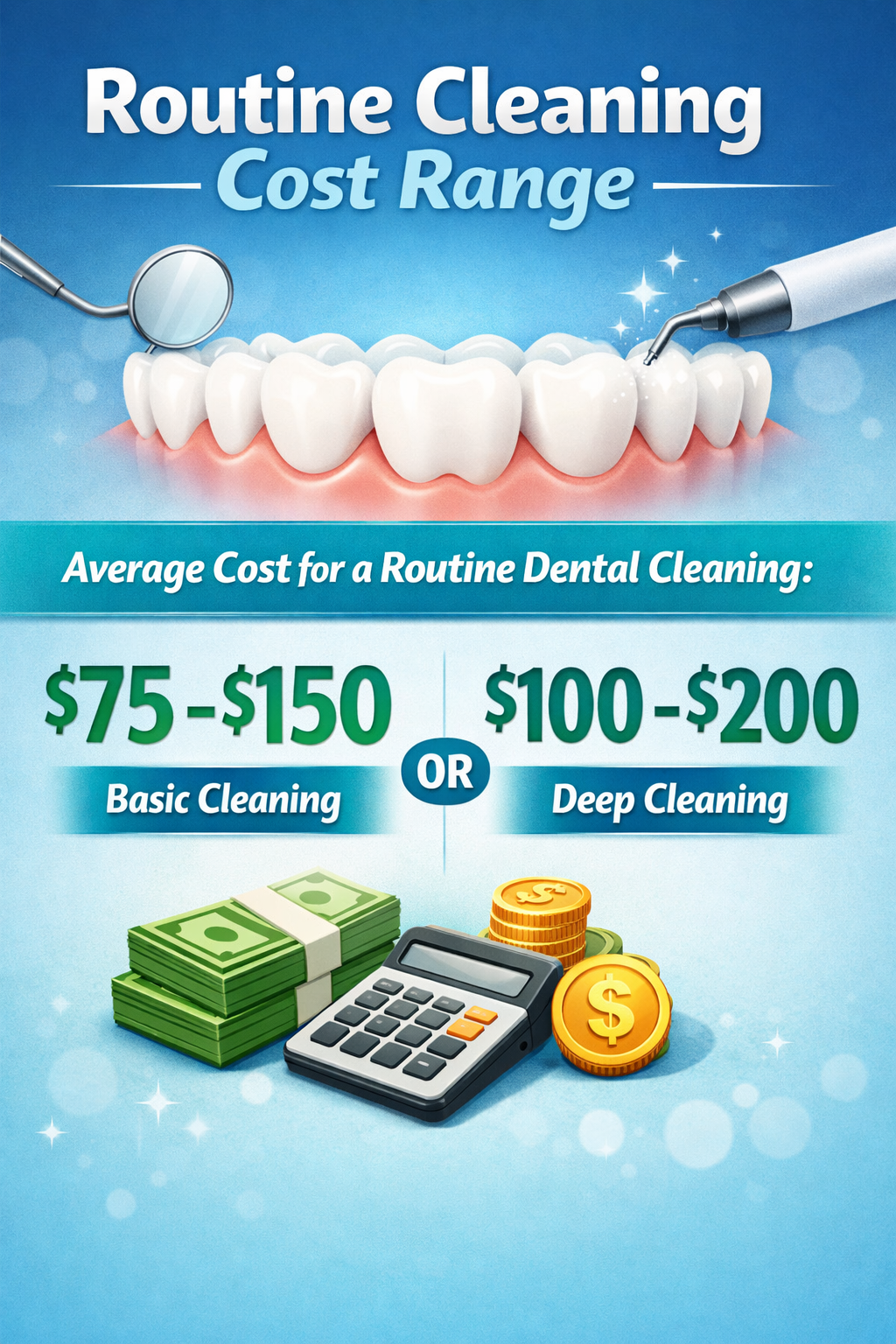
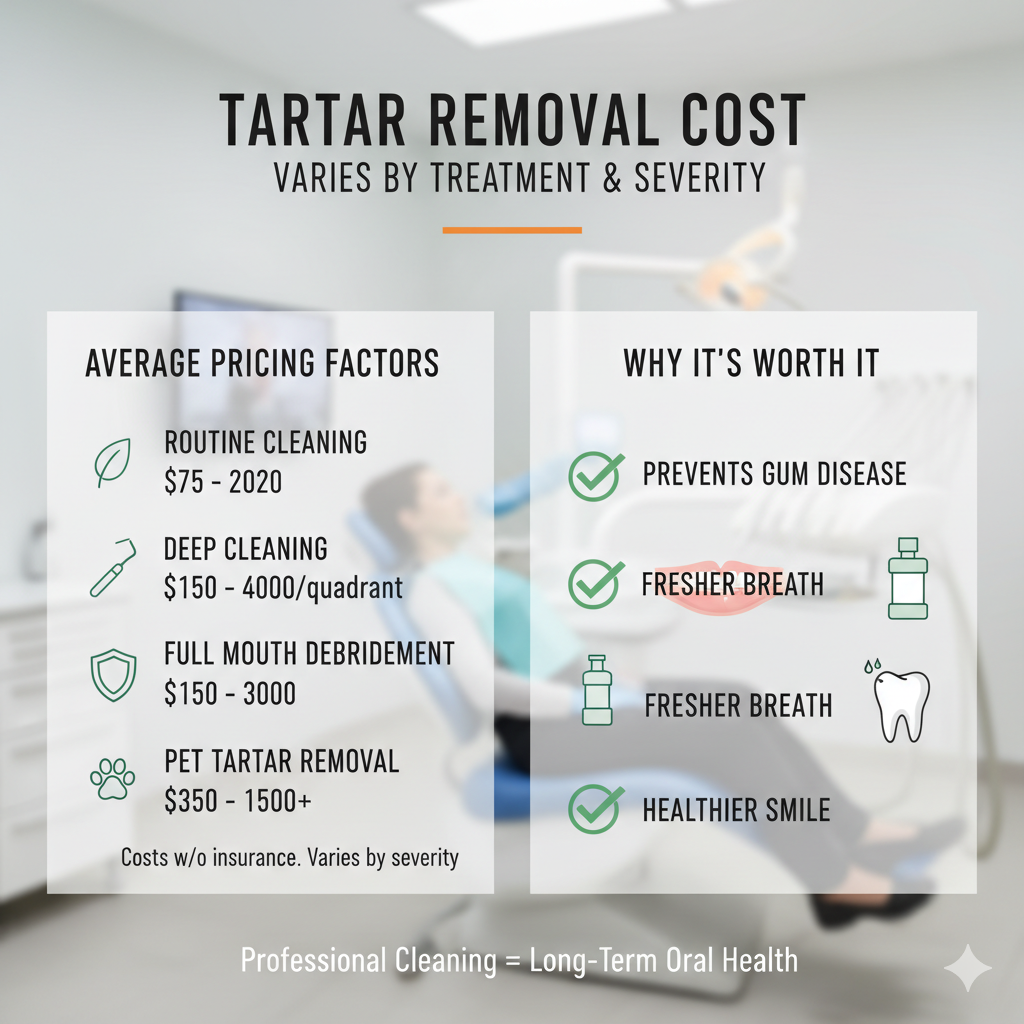
The average cost of tartar removal depends on the type of professional cleaning needed.
| Treatment Type | Typical Cost Range |
|---|---|
| Routine Cleaning (Prophylaxis) | $75–$200 |
| Full Mouth Debridement | $150–$300 |
| Deep Cleaning (Scaling and Root Planing) | $600–$1,400 per full mouth |
| Dental Examination | $50–$150 |
| Dental X-Rays | $50–$400 |
These figures are estimates and may vary significantly depending on the dental office, region, and individual treatment requirements.
For safety reasons, dental professionals generally recommend professional evaluation when visible tartar buildup is present. or visit to Dental Pro 7 official website
What Factors Influence Tartar Removal Cost?
Several variables affect the final price of treatment.
1. Amount of Tartar Buildup
Patients with minimal tartar accumulation typically require a standard cleaning, which is less expensive and can often be completed in a single appointment.
Heavy tartar deposits may require additional treatment time, specialized instruments, or multiple visits, increasing overall costs.
2. Location of the Tartar
Tartar that remains above the gumline is generally easier to remove.
When deposits extend below the gums, dentists or dental hygienists may need to perform deep cleaning procedures that involve scaling root surfaces and treating periodontal pockets.
3. Presence of Gum Disease
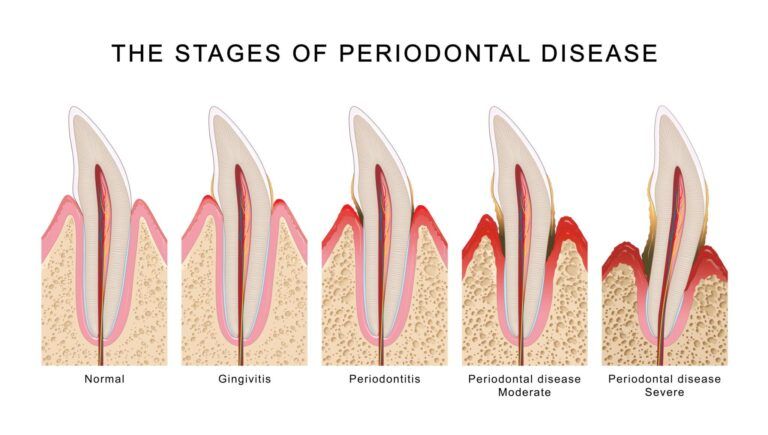
Patients diagnosed with gingivitis or periodontitis often require more advanced treatment than a routine cleaning.
Deep cleaning procedures are designed to remove bacteria and calculus from below the gumline and may involve local anesthesia, making them more costly.
Patients who delay treatment may eventually develop gum disease symptoms you should never ignore, including persistent bleeding, gum recession, and ongoing inflammation that often require more extensive periodontal care.
4. Geographic Location
Dental fees vary considerably by region.
Urban areas and locations with higher operating costs often charge more than smaller communities. Private practices and specialty periodontal offices may also have different pricing structures.
5. Additional Services
The total bill may increase if additional procedures are necessary, including:
- Dental examinations
- Diagnostic X-rays
- Fluoride treatments
- Antibacterial rinses
- Follow-up periodontal maintenance visits
Patients should ask for a detailed treatment estimate before beginning care.
Routine Cleaning vs. Deep Cleaning
Understanding the difference between these services can help explain pricing differences.
Patients who want to understand the full treatment process can review this complete tartar removal guide.
Routine Cleaning
Routine professional cleaning is intended for patients with generally healthy gums.
The procedure usually includes:
- Plaque removal
- Tartar removal above the gumline
- Tooth polishing
- Oral examination
Routine cleanings are preventive in nature and are often recommended every six months.
Deep Cleaning
Deep cleaning, also known as scaling and root planing, is used when tartar has accumulated below the gumline.
This procedure may involve:
- Removal of subgingival calculus
- Smoothing root surfaces
- Reduction of periodontal pockets
- Treatment of active gum disease
Because the procedure is more complex and time-intensive, costs are significantly higher than routine cleanings.
When tartar extends beneath the gums, tartar below the gumline may require scaling and root planing.
Is Tartar Removal Covered by Dental Insurance?
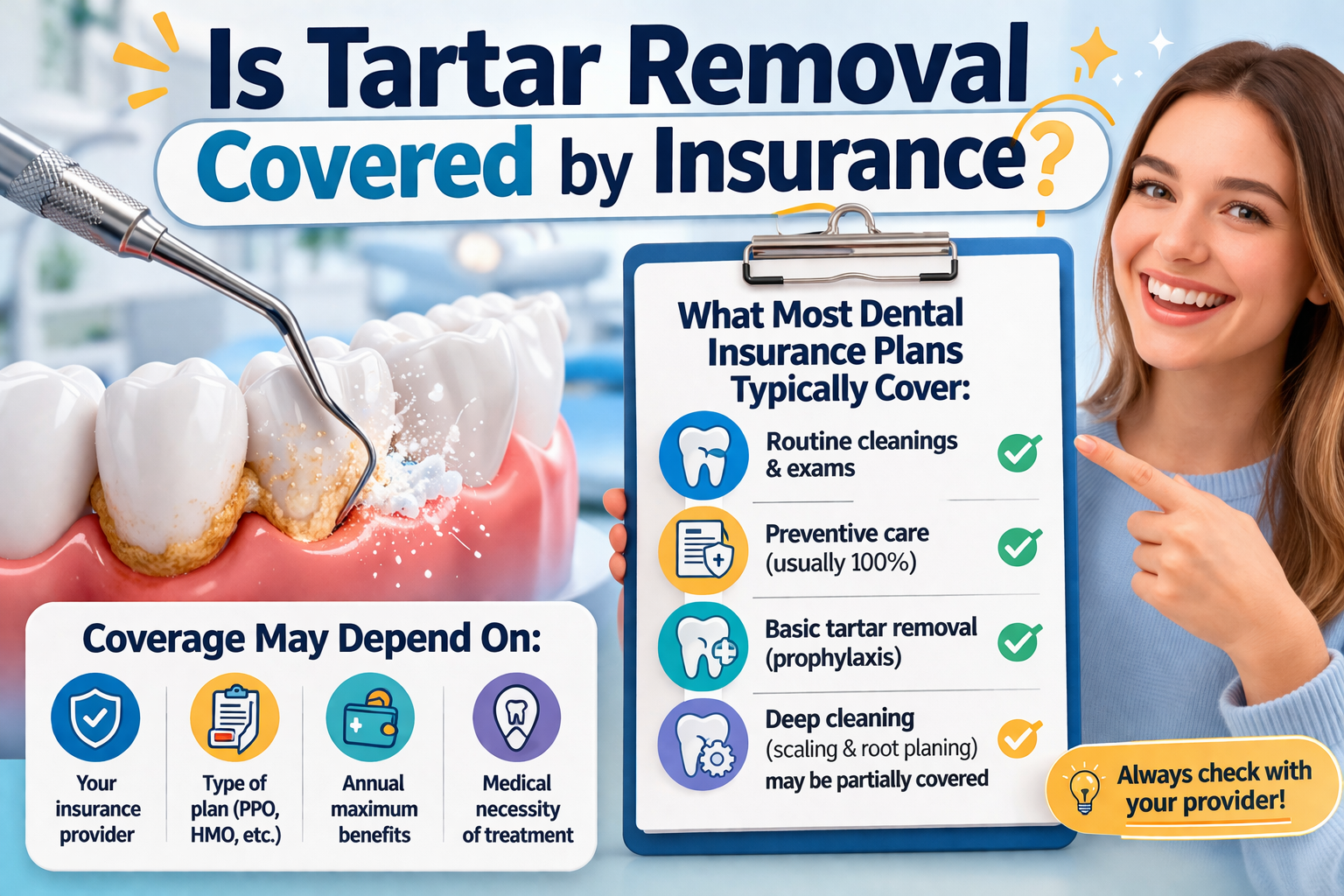
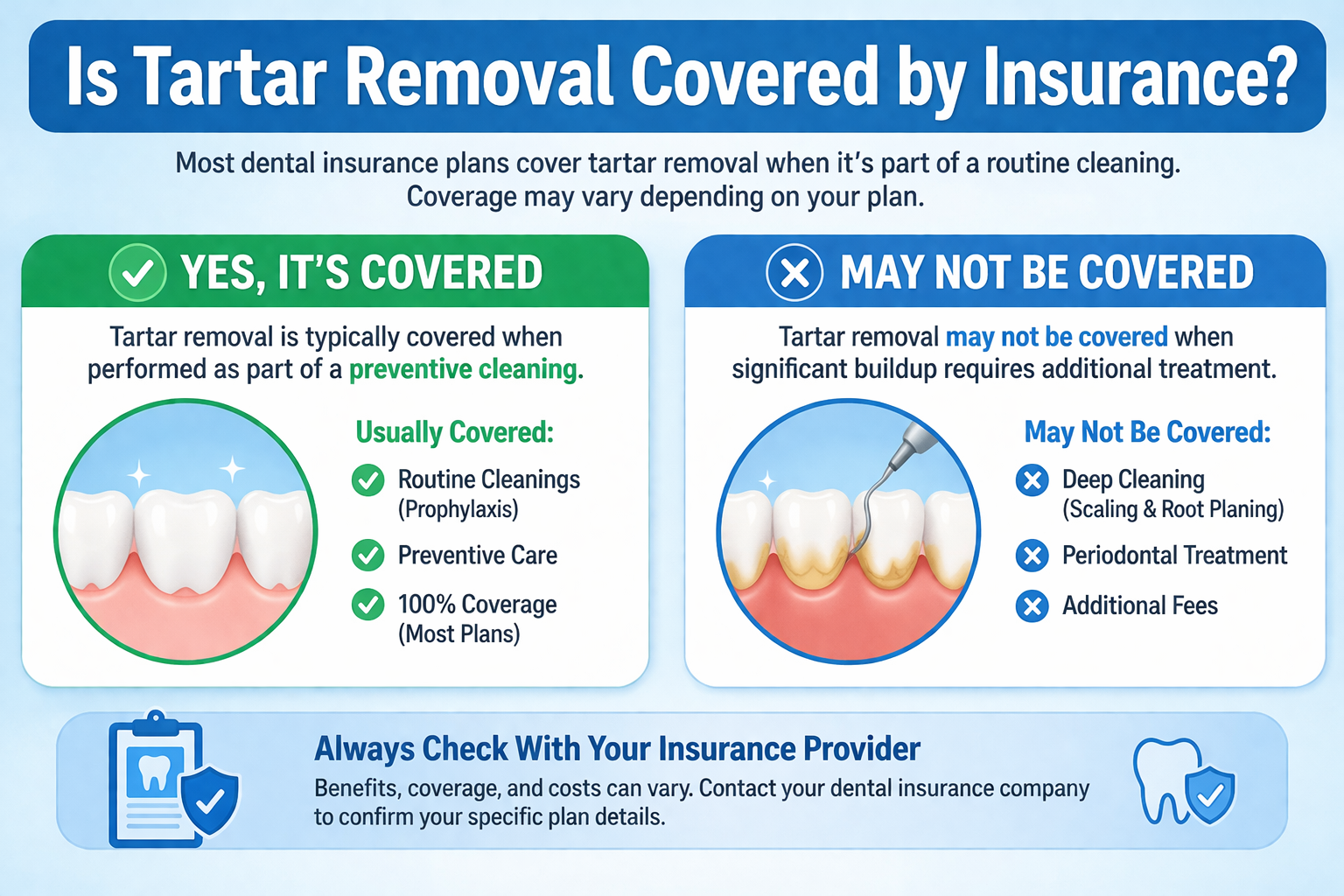
Many dental insurance plans partially or fully cover preventive cleanings.
Coverage commonly includes:
- One or two routine cleanings per year
- Basic oral examinations
- Preventive X-rays
However, coverage for deep cleaning and periodontal therapy varies widely among insurance providers.
Patients should review policy details or contact their insurance company directly to confirm benefits before treatment.
Are There Low-Cost Options for Tartar Removal?
Individuals without dental insurance may be able to reduce costs through alternative options.
Dental Hygiene Schools
Dental hygiene programs often provide supervised cleanings at reduced rates. Services are performed by students under the supervision of licensed professionals.
Community Dental Clinics
Many community health centers offer preventive dental care at lower prices than private practices.
Preventive Care Membership Plans
Some dental offices offer in-house membership programs that include discounted cleanings, examinations, and X-rays.
Insurance Benefits
Using preventive care benefits regularly can help reduce out-of-pocket expenses and lower the likelihood of requiring expensive periodontal treatment.
Why Professional Tartar Removal Is Important for Gum Health
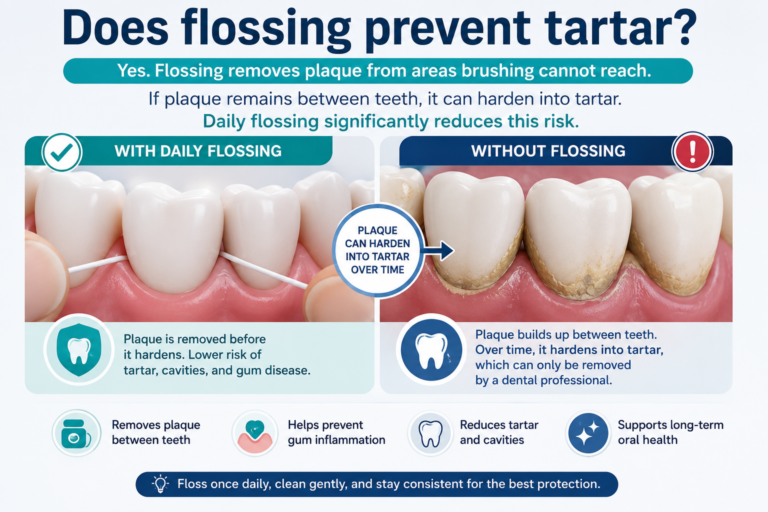
Once plaque hardens into tartar, brushing and flossing alone cannot remove it.
Without professional treatment, tartar accumulation may contribute to:
- Persistent bad breath
- Gum inflammation
- Gingivitis
- Periodontal disease
- Gum recession
- Tooth mobility
- Tooth loss
Professional cleanings help maintain healthy gums and reduce the risk of more extensive dental treatment later.
Professional cleaning remains the safest and most effective form of professional tartar removal.
Some individuals also learn about natural gum health formulas that complement plaque control, healthy gums, and long-term preventive oral care alongside professional treatment.
Why Tartar Under Gums Can Increase Treatment Costs
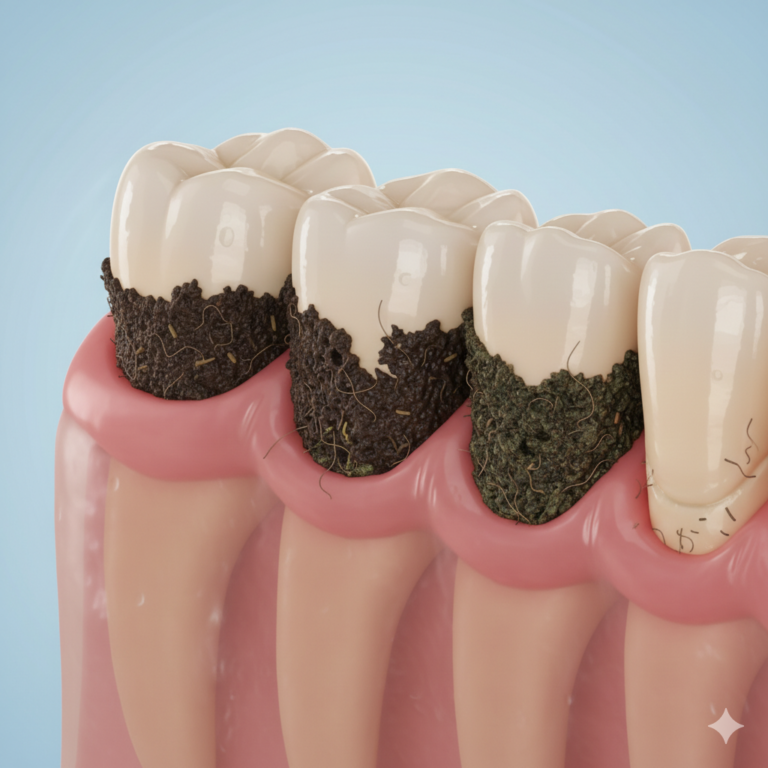
One factor that significantly affects treatment expenses is the presence of Tartar Under Gums. Unlike tartar that remains visible above the gumline, these hidden deposits often require more advanced procedures because they cannot be reached during routine brushing or standard preventive care.
When Tartar Under Gums remains untreated, bacteria may continue accumulating around sensitive gum tissue. Over time, this can contribute to inflammation, bleeding, gum pocket formation, and the early stages of gingivitis. As these conditions progress, treatment may become more complex and costly than a routine dental cleaning.
For this reason, individuals experiencing recurring gum irritation, bleeding during brushing, or persistent bad breath may benefit from learning more about gingivitis treatment for healthier gums. Early intervention can often help reduce inflammation and prevent the need for more extensive periodontal procedures later.
Another reason treatment costs may increase is that tartar extending below the gumline often requires scaling and root planing rather than a routine cleaning. Because these procedures involve removing hardened deposits from deeper periodontal pockets, they generally require additional time and specialized techniques. Early professional care and consistent plaque control can help reduce the likelihood of more extensive treatment in the future.
Can You Remove Tartar at Home?
Many over-the-counter products claim to remove tartar, but hardened calculus typically requires professional dental instruments.
Attempting to scrape tartar with household tools or non-professional devices may:
- Damage tooth enamel
- Injure gum tissue
- Increase infection risk
- Cause tooth sensitivity
For safety reasons, dental professionals generally recommend professional evaluation when visible tartar buildup is present. or visit to Dental Pro 7 official website
Long-Term Value of Regular Cleanings and Daily Gum Care
Although professional tartar removal involves an upfront cost, preventive care is usually less expensive than restorative treatment.
Regular cleanings may help:
- Maintain healthy gums
- Preserve natural teeth
- Reduce future dental expenses
- Improve oral comfort
- Support overall oral health
Patients who receive regular preventive care often avoid many of the complications associated with advanced periodontal disease.
Many people also explore natural gum health support options to complement professional dental cleanings and maintain healthier gums through consistent daily oral care.
Frequently Asked Questions – Tartar Removal Cost
How much does tartar removal usually cost?
Routine cleaning typically ranges from $75 to $200, while deep cleaning may cost several hundred dollars depending on the extent of treatment required.
Is deep cleaning more expensive than routine cleaning?
Yes. Deep cleaning involves removing tartar below the gumline and treating periodontal pockets, making the procedure more complex and time-consuming.
Does insurance cover tartar removal?
Many plans cover routine preventive cleanings. Coverage for deep cleaning and periodontal therapy varies by provider and policy.
Can delaying tartar removal increase future costs?
Yes. Untreated tartar buildup may contribute to gum disease and tooth loss, which often require more expensive restorative procedures.
Untreated buildup may eventually contribute to tartar and gum disease, increasing future treatment costs.
How often should tartar be removed professionally?
Most dental professionals recommend preventive cleanings every six months, although some individuals may require more frequent visits based on their oral health status.
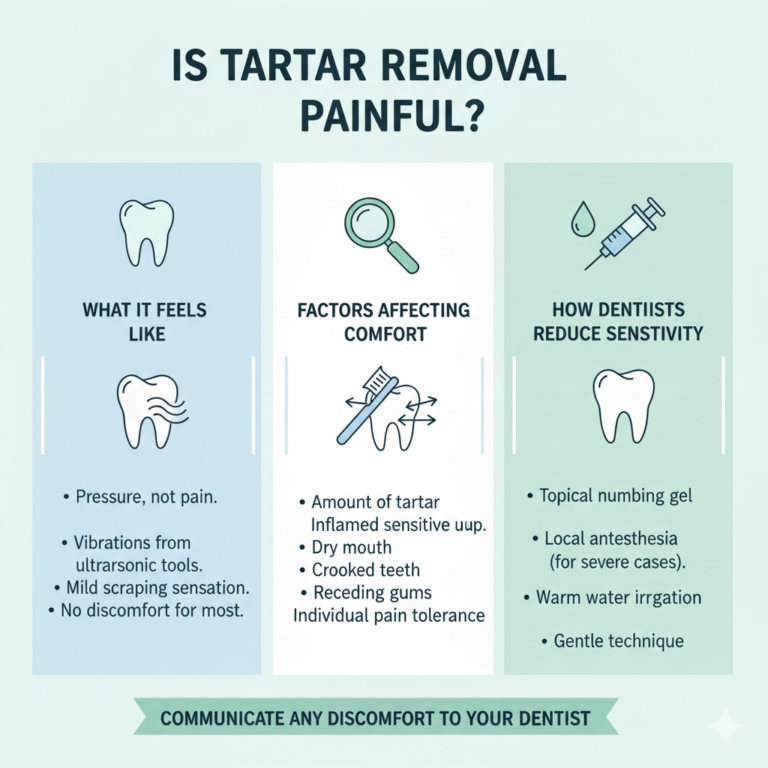
Is tartar removal painful?
Learn more about whether tartar removal is painful and what to expect during treatment.
Some people also explore natural oral care options alongside professional dental cleanings. Learn more about Dental Pro 7 ingredients and how they support daily gum care.
View current Dental Pro 7 price and discounts before ordering
About the Dental Pro 7 Ingredients Editorial Team
The Dental Pro 7 Ingredients Editorial Team creates educational content focused on oral health, dental hygiene, gum care, and evidence-based wellness information.
Our goal is to help readers better understand common dental concerns, including plaque buildup, tartar accumulation, gum disease prevention, and professional treatment options. Content is researched using reputable dental organizations, peer-reviewed publications, and publicly available educational resources whenever possible.
Articles are regularly reviewed and updated to improve accuracy, clarity, and usefulness for readers seeking general oral health information.
This content is intended for educational purposes only and should not replace professional dental advice, diagnosis, or treatment.
Disclaimer – Tartar Removal Cost
This article is provided for informational and educational purposes only. It does not constitute medical, dental, or professional healthcare advice.
Tartar removal costs, treatment recommendations, insurance coverage, and dental procedures may vary based on individual circumstances, geographic location, and provider policies. Readers should consult a licensed dentist or qualified healthcare professional regarding any oral health concerns or treatment decisions.
While every effort is made to keep information accurate and up to date, no guarantee is made regarding completeness, accuracy, or suitability for any specific situation.

14 Comments