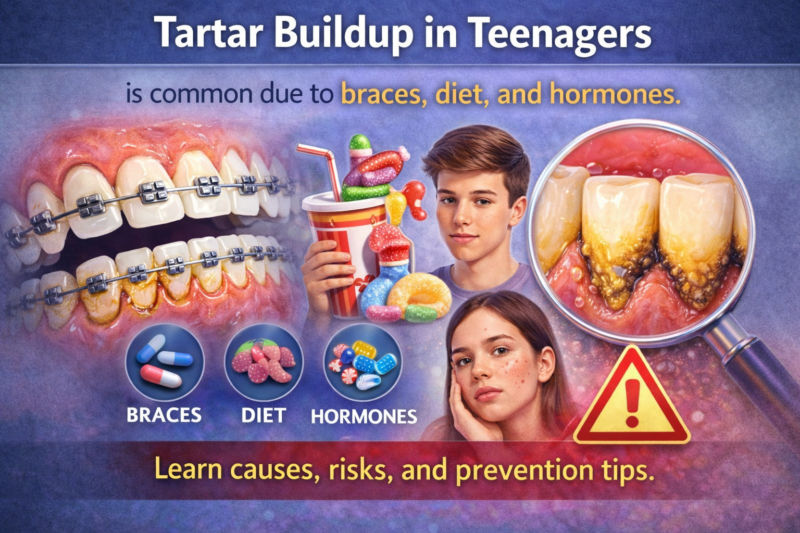
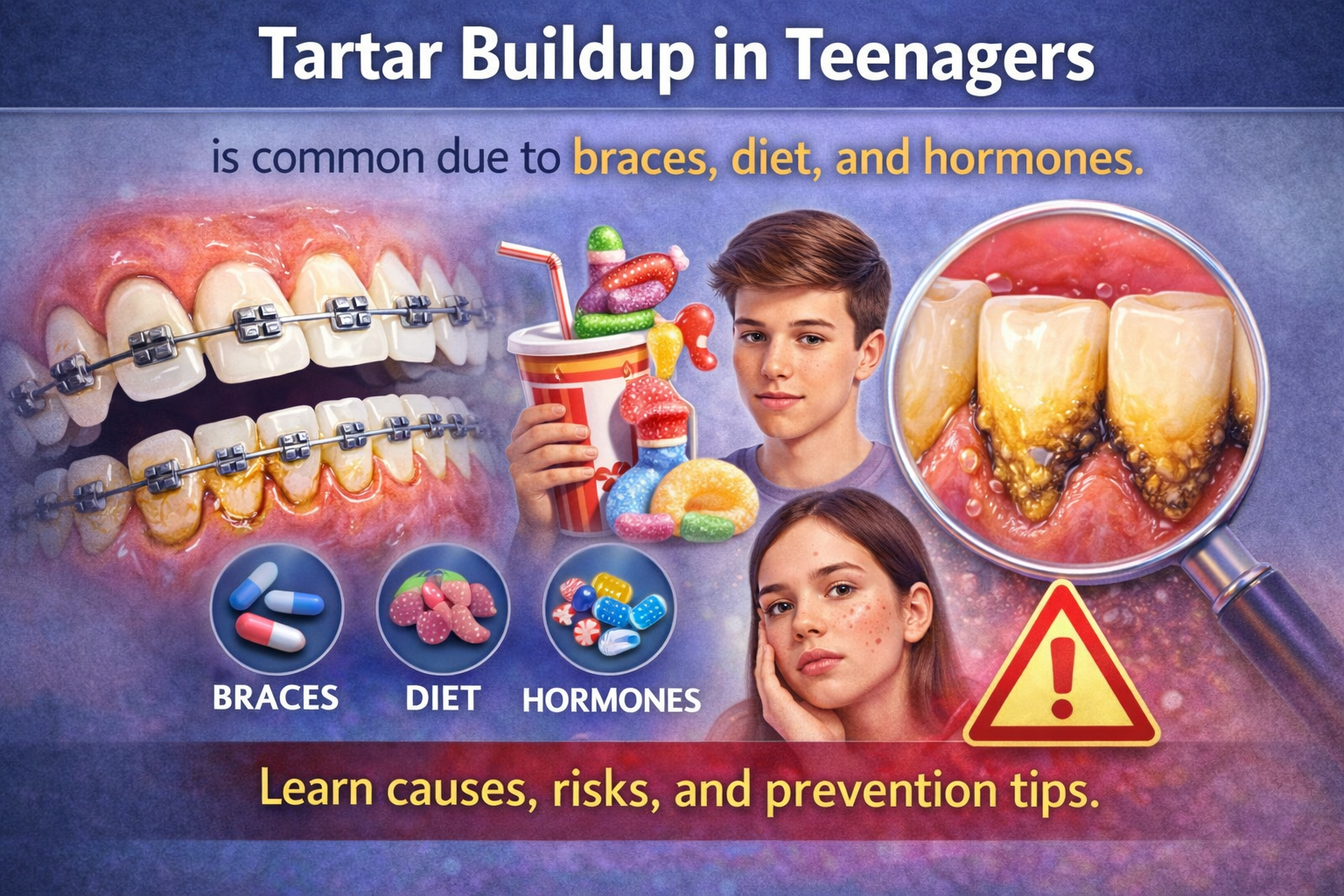
Tartar buildup in teenagers is more common than many parents realize. Adolescence is a period of rapid physical and hormonal change, and these shifts can significantly impact oral health. Combined with orthodontic appliances and evolving dietary habits, teenagers face a higher risk of plaque accumulation and hardened calculus formation.
Plaque is a sticky film of bacteria that constantly forms on teeth. If it is not removed thoroughly each day, it can harden into tartar within 24–72 hours. Once tartar develops, it cannot be removed with regular brushing and requires professional cleaning.
Hormonal Changes and Gum Response
During puberty, hormone levels increase dramatically. These hormonal fluctuations affect blood flow to gum tissues, making them more sensitive and reactive to plaque bacteria.
As a result, teenagers may experience:
Swollen or puffy gums
Bleeding during brushing or flossing
Increased redness
Heightened inflammatory response
This condition, sometimes referred to as puberty gingivitis, makes plaque more noticeable and accelerates tartar buildup in teenagers. Even small amounts of plaque can trigger exaggerated gum inflammation during these years.
Braces and Plaque Retention
Orthodontic treatment is another major contributor to tartar buildup in teenagers. Brackets, wires, and bands create additional surfaces where food particles and bacteria can accumulate.
Common problems associated with braces include:
White spot lesions near brackets
Localized gum swelling
Persistent plaque around wires
Hardened tartar deposits along the gumline
Because braces make brushing and flossing more challenging, teens require stricter and more consistent hygiene routines. Without proper cleaning, plaque quickly hardens around orthodontic appliances.
Dietary Habits and Increased Risk
Teenagers often consume sugary drinks, processed snacks, and sticky foods that feed harmful bacteria. Frequent snacking prevents saliva from neutralizing acids effectively, allowing plaque to remain on teeth longer.
High-risk dietary habits include:
Sugary sodas and energy drinks
Candy and sticky sweets
Refined carbohydrates
Late-night snacking without brushing
When plaque is exposed to these sugars repeatedly, bacterial growth increases and mineralization accelerates, leading to faster tartar formation.
Prevention Strategies for Teens
Preventing tartar buildup in teenagers requires daily consistency and parental guidance. Effective preventive measures include:
Brushing thoroughly at least twice daily (and ideally after meals)
Using orthodontic or interdental brushes if braces are present
Flossing daily with floss threaders or water flossers
Limiting sugary snacks and drinks
Scheduling professional cleanings every six months
Education is especially important during adolescence. Helping teens understand the long-term impact of gum disease and staining encourages better habits.
 Review the Full Dental Pro 7 Details Here

If your teenager shows signs of tartar buildup or gum inflammation, schedule a professional cleaning and hygiene evaluation promptly. Early intervention prevents long-term gum damage and protects developing smiles.
FAQ
1. Is tartar normal in teenagers?
Tartar buildup in teenagers is common but preventable with proper brushing, flossing, and routine dental visits.
2. Do braces increase tartar risk?
Yes. Brackets and wires trap plaque and make cleaning more difficult, increasing tartar risk.
3. How often should teens get cleanings?
Most teenagers should have professional cleanings every six months. Those with braces may benefit from more frequent visits.