Tartar Buildup in Teenagers: What Causes It and Why It Happens
Tartar Buildup in Teenagers: Last Updated: September 4, 2026 · ⏱️ Reading Time: 10 min read
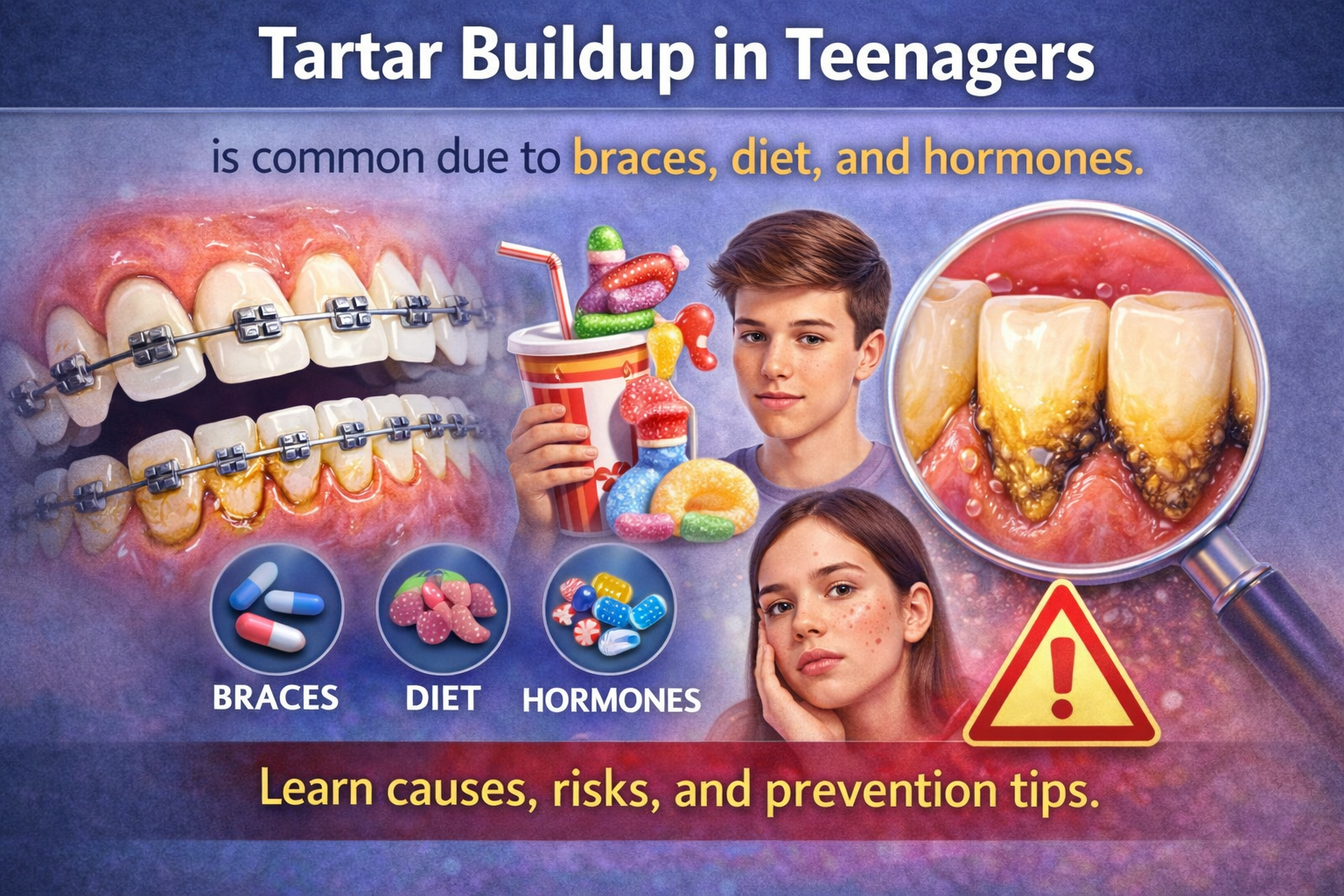
It is more common than many parents realize. Adolescence brings major physical, hormonal, and lifestyle changes. These changes can influence gum sensitivity, plaque accumulation, and daily oral hygiene.
Braces can add another challenge. Dietary habits also change during the teenage years. Sugary drinks, energy drinks, snacks, and late-night eating can increase plaque exposure.
Plaque is a sticky bacterial film that forms continuously on teeth. When plaque remains on the tooth surface, saliva minerals can gradually harden it into tartar, also called dental calculus.
Once tartar becomes established, professional dental cleaning is usually the appropriate way to remove it.
Understanding why tartar develops can help teenagers build better habits before buildup becomes a recurring problem.
Why Tartar Buildup Is Common During the Teenage Years
Teenagers experience several changes at the same time. Hormonal fluctuations can affect gum tissue. Orthodontic appliances can create additional areas for plaque retention. Busy schedules may also make consistent brushing and flossing more difficult.
Several factors commonly contribute to tartar buildup in teenagers:
- Hormonal changes during puberty
- Braces and orthodontic appliances
- Frequent sugary snacks and drinks
- Inconsistent brushing
- Skipping interdental cleaning
- Dry mouth and dehydration
- Smoking or vaping
- Limited attention to gumline cleaning
These factors can overlap. A teenager wearing braces and drinking sugary beverages throughout the day may face more plaque-retention challenges than someone with a simpler routine.
How Hormonal Changes Affect Tartar and Gum Health
Puberty brings significant hormonal changes. These changes can make gum tissues more sensitive to plaque.
Teenagers may notice:
- Swollen or puffy gums
- Increased gum redness
- Bleeding during brushing or flossing
- Greater gum sensitivity
- More noticeable inflammation around plaque
Hormonal changes do not directly create tartar. Instead, they can change the way gum tissues respond to existing plaque.
For a deeper explanation, readers can explore hormonal changes and tartar buildup to understand how puberty-related changes may influence gum response and plaque management.
During adolescence, consistent brushing and interdental cleaning become especially important. Gentle cleaning around the gumline can help manage plaque while the gums are more sensitive.
Dental Pro 7 for a Consistent Daily Oral Care Routine
Teenagers need simple routines that fit into school, sports, social activities, and busy schedules. Dental Pro 7 can be considered as a complementary oral care option alongside brushing, interdental cleaning, hydration, and professional dental care.
👉 Explore Dental Pro 7 Officially
Parents and teenagers should focus first on consistent mechanical plaque removal and regular dental visits. Any additional oral care product works best as part of that broader routine.
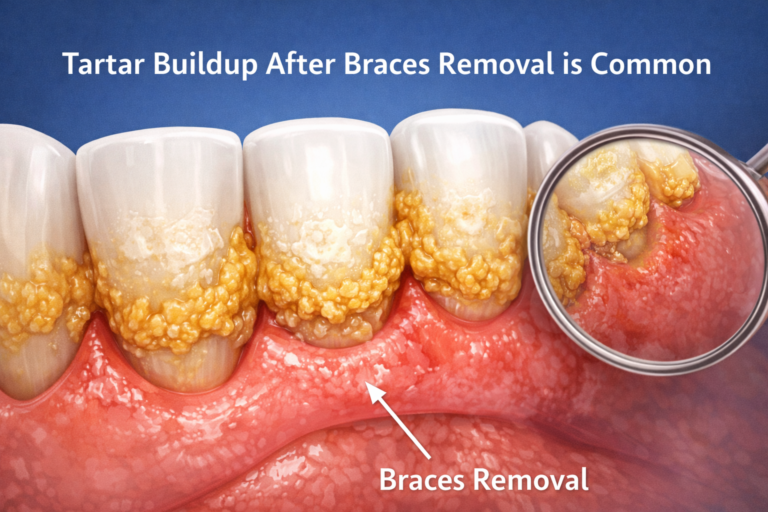
How Braces Increase Plaque and Tartar Risk
Orthodontic treatment can make daily cleaning more challenging.
Brackets, wires, bands, and retainers create additional surfaces where food particles and plaque can remain.
Common areas of concern include:
- Around orthodontic brackets
- Along the gumline
- Between brackets and wires
- Around molars
- Between crowded teeth
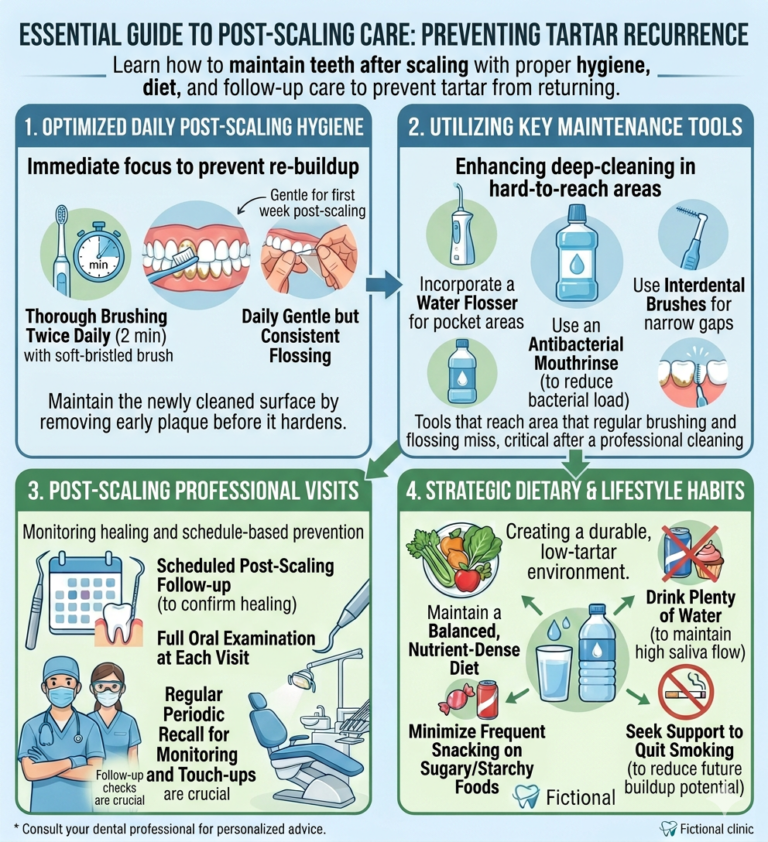
Teenagers with braces often benefit from more detailed cleaning techniques. Orthodontic brushes, interdental brushes, floss threaders, or water flossers may help reach difficult areas.
A dental professional or orthodontist can also provide personalized cleaning instructions based on the appliance being used.
Can Sugar Increase Tartar Buildup on Teenagers’ Teeth?
Teenagers often consume more sweetened beverages and snacks than younger children.
Soda, energy drinks, sweetened coffee, candy, cookies, and other processed snacks can expose teeth to fermentable carbohydrates repeatedly throughout the day.
Sugar itself does not directly turn into tartar. The connection involves plaque.
Oral bacteria use available sugars during their metabolism. Frequent exposure can support plaque formation and create conditions that encourage mineralized buildup over time.
Parents and teenagers can learn more about whether sugar causes tartar buildup on teeth to understand how frequent sugar exposure connects with plaque and tartar formation.
Practical changes include:
- Drinking water between meals
- Reducing frequent sugary drinks
- Keeping sweet snacks closer to mealtimes
- Choosing less sticky snacks
- Brushing consistently twice daily
The frequency of exposure matters. Constant sipping of sweet beverages can create a more challenging environment than an occasional treat.
Does Smoking Increase Tartar Formation in Teenagers?
Smoking and vaping can affect the oral environment and gum health.
Teenagers who smoke or vape may also develop habits that influence hydration, saliva, oral hygiene, and gum health.
For teenagers and parents seeking more information, does smoking increase tartar formation provides a broader discussion of the relationship between tobacco exposure and tartar-related oral health concerns.
Avoiding tobacco products provides broader health benefits as well. Professional dental guidance can help teenagers who already notice gum irritation, staining, bleeding, or persistent bad breath.
Can Medications Contribute to Tartar Buildup?
Some medications can affect the oral environment indirectly. For example, medications associated with dry mouth may reduce saliva flow.
Saliva helps maintain moisture and supports the mouth’s natural cleansing processes. A drier mouth can make plaque accumulation easier in some people.
Teenagers taking regular medications should discuss persistent dry mouth or other oral symptoms with their dentist or healthcare professional.
Readers can explore medications that cause tartar buildup to learn more about how certain medications and oral changes may influence tartar risk.
Medication-related factors vary considerably. Teenagers should never change or stop prescribed medication based solely on oral health concerns.
Can Diabetes Affect Tartar Buildup in Teenagers?
Diabetes can influence oral health through changes in blood glucose levels, saliva, and gum health.
Teenagers with diabetes may need to pay particular attention to daily plaque control and routine dental care.
The relationship between diabetes and tartar involves several factors rather than one direct cause. Gum inflammation, oral hygiene, dry mouth, and metabolic control can all influence oral health.
For a more detailed discussion, readers can explore diabetes and tartar buildup and learn how these factors may be connected.
Teenagers with diabetes should follow the oral and medical care plan recommended by their healthcare professionals.
How to Prevent Tartar Buildup in Teenagers
Prevention starts with simple habits that teenagers can repeat consistently.
Brush Twice a Day With Proper Technique
Brush for approximately two minutes in the morning and before bedtime.
Focus on the gumline, back molars, and areas around orthodontic brackets.
A soft-bristled toothbrush and gentle technique can help clean effectively while keeping the gums comfortable.
Clean Between Teeth Every Day
Toothbrush bristles cannot reach every space between teeth.
Floss, interdental brushes, or another suitable cleaning method can help remove plaque from these areas.
Teenagers with braces may need specialized tools recommended by their orthodontist.
Drink More Water
Water helps maintain hydration and supports normal saliva function.
Encouraging teenagers to carry a reusable water bottle can make regular hydration easier during school and sports activities.
Limit Frequent Sugary Drinks and Snacks
Reducing the frequency of sugary exposure can support better plaque control.
Water is a practical alternative to soda, sweetened beverages, and energy drinks throughout the day.
Clean the Tongue
The tongue can collect bacteria and food particles.
Gentle tongue cleaning can be added to the daily routine, especially for teenagers who experience a coated tongue or persistent morning breath.
Schedule Regular Dental Visits
Professional examinations allow dentists to identify plaque, tartar, gum inflammation, cavities, and orthodontic cleaning challenges.
Teenagers with braces may receive additional cleaning guidance during orthodontic appointments.
Why Early Tartar Control Matters for Teenagers
Tartar often develops in areas that are difficult to clean. Behind the lower front teeth, along the gumline, around brackets, and between crowded teeth are common examples.
Once tartar becomes established, daily brushing focuses mainly on preventing additional plaque. Professional dental instruments provide the appropriate method for removing hardened calculus.
Early attention also helps teenagers recognize the connection between daily habits and oral health.
A teenager who learns effective brushing and interdental cleaning during adolescence may find it easier to maintain those habits into adulthood.
Natural Oral Care as a Complement to Daily Hygiene
Some families explore botanical oral care products as part of a broader daily routine.
Dental Pro 7 is one example of a botanical-focused oral care product discussed for everyday use.
The product should complement fundamental habits such as brushing, interdental cleaning, hydration, and professional dental care.
The primary goal remains effective plaque control. Product selection can then focus on ingredients, formulation, intended use, and personal preferences.
What Parents Can Do to Support Better Teen Oral Hygiene
Parents can make oral care easier by turning it into a predictable routine rather than an occasional reminder.
Helpful strategies include:
- Keeping oral care products easily accessible
- Encouraging twice-daily brushing
- Providing appropriate interdental tools
- Scheduling regular dental visits
- Limiting frequent sugary drinks
- Encouraging water consumption
- Discussing tobacco and vaping risks
- Supporting orthodontic cleaning instructions
Teenagers often respond better when oral care becomes part of their normal morning and evening routine.
Positive reinforcement can also be more effective than criticism when helping teenagers improve their habits.
When a Teenager Should See a Dentist
Professional evaluation becomes especially important when a teenager experiences:
- Persistent gum bleeding
- Swollen or painful gums
- Heavy yellow or brown deposits
- Persistent bad breath
- Gum recession
- Tooth sensitivity
- Loose teeth
- Pain while chewing
- Significant buildup around braces
A dentist can determine whether the symptoms relate to plaque, tartar, gingivitis, orthodontic factors, or another oral health condition.
Professional cleaning may also be appropriate when hardened tartar has already developed.
Frequently Asked Questions About Tartar Buildup in Teenagers
Is tartar normal in teenagers?
Tartar can develop during adolescence. The amount and speed of buildup vary between individuals based on oral hygiene, saliva, diet, orthodontic appliances, and other factors.
Do braces increase tartar risk?
Yes. Brackets, wires, and other orthodontic components create additional areas where plaque can remain. More detailed cleaning can help manage buildup during orthodontic treatment.
How often should teenagers get professional cleanings?
Many people benefit from routine dental visits approximately every six months. Teenagers with braces, gum concerns, or significant tartar may receive a different schedule based on professional recommendations.
Can sugar cause tartar directly?
Sugar does not directly become tartar. Frequent sugar exposure can support plaque formation, and plaque can later mineralize into tartar.
Can hormonal changes cause tartar?
Hormonal changes can affect gum sensitivity and inflammation during puberty. They can therefore influence the oral environment in which plaque and tartar develop.
Can medications increase tartar risk?
Some medications can contribute indirectly by causing dry mouth or other oral changes. A dentist or healthcare professional can help evaluate individual circumstances.
Does smoking increase tartar formation?
Smoking can affect gum health and the oral environment. Teenagers who smoke or vape should discuss any gum or oral symptoms with a dental professional.
Can diabetes affect tartar buildup?
Diabetes can influence gum health and other oral conditions. Teenagers with diabetes should maintain consistent oral hygiene and follow their healthcare team’s recommendations.
About the Author — Dental Pro 7 Ingredients Editorial Team
The Dental Pro 7 Ingredients Editorial Team researches oral hygiene, plaque control, tartar prevention, gum health, and ingredient-focused oral care.
Our content focuses on practical information that helps readers understand daily oral hygiene and make informed decisions about complementary oral care products.
Disclaimer
This article is for educational and informational purposes only. It does not replace professional dental diagnosis, treatment, or personalized medical advice.
Teenagers experiencing persistent bleeding, swelling, pain, heavy tartar buildup, or other ongoing oral symptoms should receive an evaluation from a licensed dentist.
References to oral care products are provided for informational purposes. Individual experiences may vary.


2 Comments