
Does Brushing Once a Day Cause Tartar Formation?
Does Brushing Once a Day Cause Tartar Formation?: Brushing once a day might seem “good enough,” especially when your teeth still look clean in the mirror. But tartar buildup often develops quietly in places people rarely check closely, especially behind lower front teeth and around the back molars.
One of the more frustrating things about tartar is that it usually starts as something invisible. Plaque feels soft and harmless at first. Then, after repeated exposure to saliva minerals, it hardens into a rough deposit that brushing can no longer remove.
This is one reason dentists frequently recommend brushing both in the morning and before bed. The timing matters just as much as the brushing itself.
The short answer is yes: brushing only once daily can increase the likelihood of tartar formation, particularly if flossing and tongue cleaning are inconsistent.
But the full story is more practical than dramatic. Tartar buildup is usually connected to daily habits, saliva chemistry, dry mouth, food choices, smoking, and how thoroughly the teeth are cleaned — not simply the number of brushing sessions alone.
What Exactly Is Tartar?
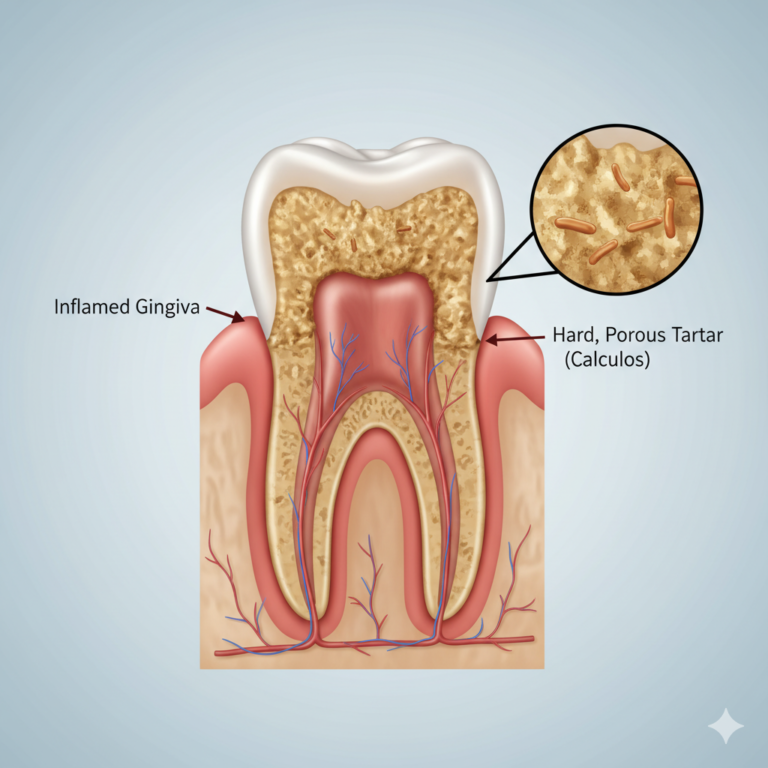
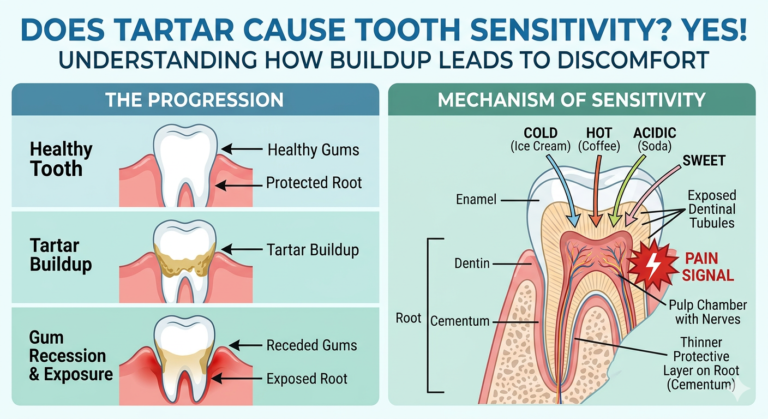
Tartar, also called dental calculus, forms when plaque is left on the teeth long enough to harden.
Plaque itself is a sticky film made from bacteria, food debris, and proteins naturally present in saliva. If it is not disrupted regularly, minerals in saliva begin turning it into a hardened deposit.
Once tartar forms, it creates a rough surface that attracts even more plaque.
This process is discussed in greater detail in our related guide on how tartar forms on teeth and how to stop it.
Why Brushing Only Once Daily Can Increase Tartar Risk
Plaque Has More Time to Harden

When brushing is skipped for long periods — especially overnight — plaque remains attached to the teeth for hours without interruption.
Sleep creates conditions that bacteria tend to like:
- Reduced saliva flow
- Dry mouth
- Less swallowing
- Longer bacterial contact with teeth and gums
A person may wake up feeling normal while plaque has already been sitting undisturbed for eight or nine hours.
That is why nighttime brushing matters more than people sometimes realize.
Missed Areas Become Buildup Zones
Even individuals who brush daily often miss certain areas repeatedly.
Common tartar buildup zones include:
- Behind lower front teeth
- Near the gumline
- Back molars
- Around dental crowns or retainers
If brushing happens only once a day, those missed areas have even longer exposure to plaque accumulation.
One common real-world example is someone who brushes thoroughly before work but skips brushing before sleep because they are exhausted late at night. After several months, tartar tends to appear near the lower front teeth first because saliva glands in that area encourage mineral buildup.
Morning Brushing Alone Is Usually Less Effective
Brushing in the morning helps freshen breath and remove overnight bacterial buildup.
However, if brushing only happens in the morning, plaque from the rest of the day remains on the teeth until the next morning.
That means food residue, sugars, acidic drinks, coffee stains, and bacteria stay in contact with enamel and gums for an extended period during sleep.
This can also contribute to persistent odor problems discussed in what causes bad breath even after brushing.
Signs You May Already Have Tartar Buildup

Tartar is not always obvious immediately.
Early signs may include:
Rough or Chalky Areas Near the Gums
Teeth may feel rough when touched with the tongue, especially behind the lower front teeth.
Yellow or Brown Deposits
Tartar often appears yellowish at first and may darken with coffee, tea, or smoking exposure.
Gums That Bleed Easily
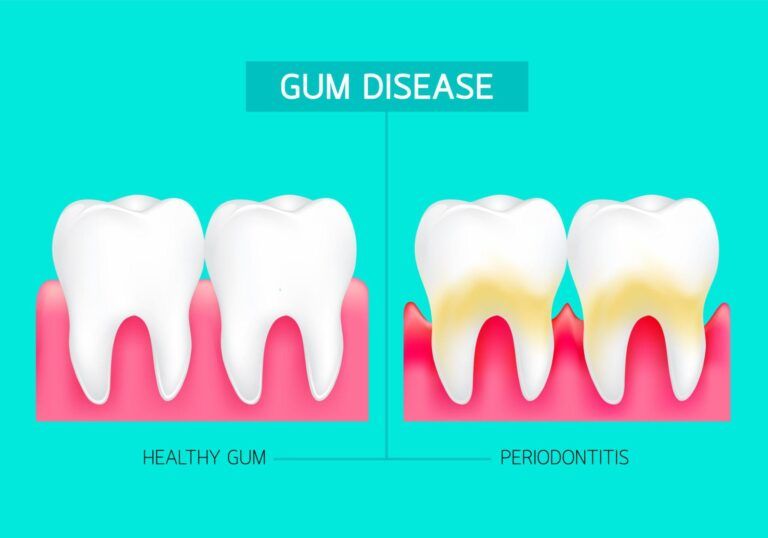
Plaque and tartar near the gums can irritate tissue and trigger inflammation.
If you notice bleeding while brushing or flossing, you may also want to read gum disease symptoms you should never ignore.
Bad Breath That Returns Quickly
Tartar creates a textured surface where bacteria collect more easily.
That bacterial activity may contribute to lingering breath odor despite brushing.
Why Some People Develop Tartar Faster Than Others
Not everyone develops tartar at the same speed.
Several factors influence how quickly plaque hardens:
Saliva Composition
Certain individuals naturally produce saliva with higher mineral content, which may encourage faster tartar accumulation.
Dry Mouth Habits
Coffee, smoking, dehydration, mouth breathing, and certain medications can reduce saliva flow.
Dry environments inside the mouth allow bacteria to thrive more easily.
Diet and Snacking Frequency
Frequent snacking and sugary drinks provide bacteria with repeated fuel throughout the day.
Sticky foods also tend to cling to teeth longer.
Crowded Teeth or Dental Appliances
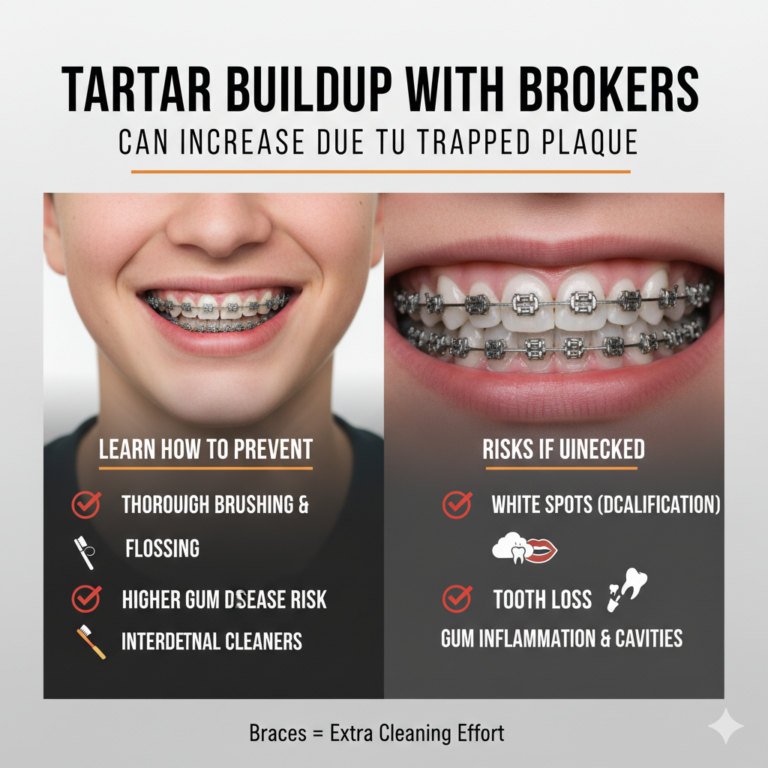
Retainers, braces, and overlapping teeth create narrow areas that are harder to clean thoroughly.
Can You Prevent Tartar Completely?
No oral hygiene routine guarantees zero tartar forever.
Even people with excellent habits can still develop small deposits in difficult-to-clean areas.
The realistic goal is not perfection. It is reducing buildup before it becomes heavy enough to irritate the gums or require extensive cleaning.
Practical Ways to Reduce Tartar Formation
Brush Before Bed Every Night
If you only brush once daily, nighttime is generally the more important session.
Sleeping with uncleaned plaque on the teeth creates ideal conditions for buildup.
Spend Longer on the Gumline
A quick brushing pass across the center of the teeth often misses the gum margins where tartar commonly forms.
Gentle circular brushing angles tend to work better than aggressive scrubbing.
Floss More Consistently
Flossing removes plaque between teeth where toothbrush bristles cannot reach.
Even a few neglected spaces can become tartar hotspots.
Clean the Tongue
Tongue coating contributes to bacterial accumulation inside the mouth overall.
A tongue scraper can help reduce buildup and improve breath freshness.
Stay Hydrated
Dry mouth encourages bacterial growth and thicker plaque accumulation.
Water helps maintain a healthier oral environment.
Schedule Professional Cleanings
Once tartar hardens, home brushing usually cannot remove it safely.
Professional cleanings remain one of the most reliable ways to manage hardened buildup.
Being Careful With “Instant Tartar Removal” Claims
Online oral care marketing can become exaggerated quickly.
Be cautious with products or videos claiming dramatic tartar removal at home within minutes. Aggressive scraping techniques may damage enamel or irritate the gums if done incorrectly.
If you are researching alternative oral care products, our article discussing Dental Pro 7 scam or legit concerns explains common marketing claims and realistic expectations.
For readers exploring additional oral hygiene tools, Callnature Oral Care Support and practical cleaning accessories on Amazon Oral Care Products are sometimes used alongside regular brushing and professional care.
The important part is consistency rather than chasing “instant” solutions.
Final Thoughts – Does Brushing Once a Day Cause Tartar Formation?
Brushing once a day does not guarantee tartar buildup immediately, but it does give plaque more opportunity to harden, especially overnight.
The effect is usually gradual and easy to overlook at first. A person may feel their teeth are clean while tartar quietly accumulates near the gums or behind the lower front teeth.
In practice, brushing twice daily, flossing regularly, staying hydrated, and getting occasional professional cleanings remain the most realistic ways to reduce tartar buildup and support healthier gums.
The goal is not a perfect mouth. It is maintaining habits that keep small problems from becoming larger ones.
FAQ – Does Brushing Once a Day Cause Tartar Formation?
Is brushing once a day enough to prevent tartar?
Brushing once daily may reduce plaque, but it often leaves long periods where bacteria remain on the teeth, especially overnight.
Why does tartar form behind lower front teeth?
Saliva glands near the lower front teeth release minerals that can harden plaque more quickly in that area.
Can tartar be brushed away at home?
Soft plaque can be removed with brushing, but hardened tartar usually requires professional cleaning.
Does flossing help prevent tartar?
Yes. Flossing removes plaque between teeth where toothbrushes often cannot reach.
Can dry mouth increase tartar buildup?
Dry mouth reduces saliva’s natural cleansing effect and may allow plaque to thicken more easily.
About the Author – Does Brushing Once a Day Cause Tartar Formation?
Dental Pro 7 Ingredients Editorial Team
The Dental Pro 7 Ingredients Editorial Team researches oral hygiene habits, plaque buildup, gum health, and consumer oral care products. Articles are created with a focus on practical everyday routines, evidence-informed education, and realistic oral health guidance for general readers.
Disclaimer – Does Brushing Once a Day Cause Tartar Formation
This article is intended for informational and educational purposes only and does not replace professional dental or medical advice. Always consult a licensed dentist or healthcare provider regarding tartar buildup, gum problems, oral discomfort, or treatment decisions.

2 Comments