What Causes Bad Breath Even After Brushing?
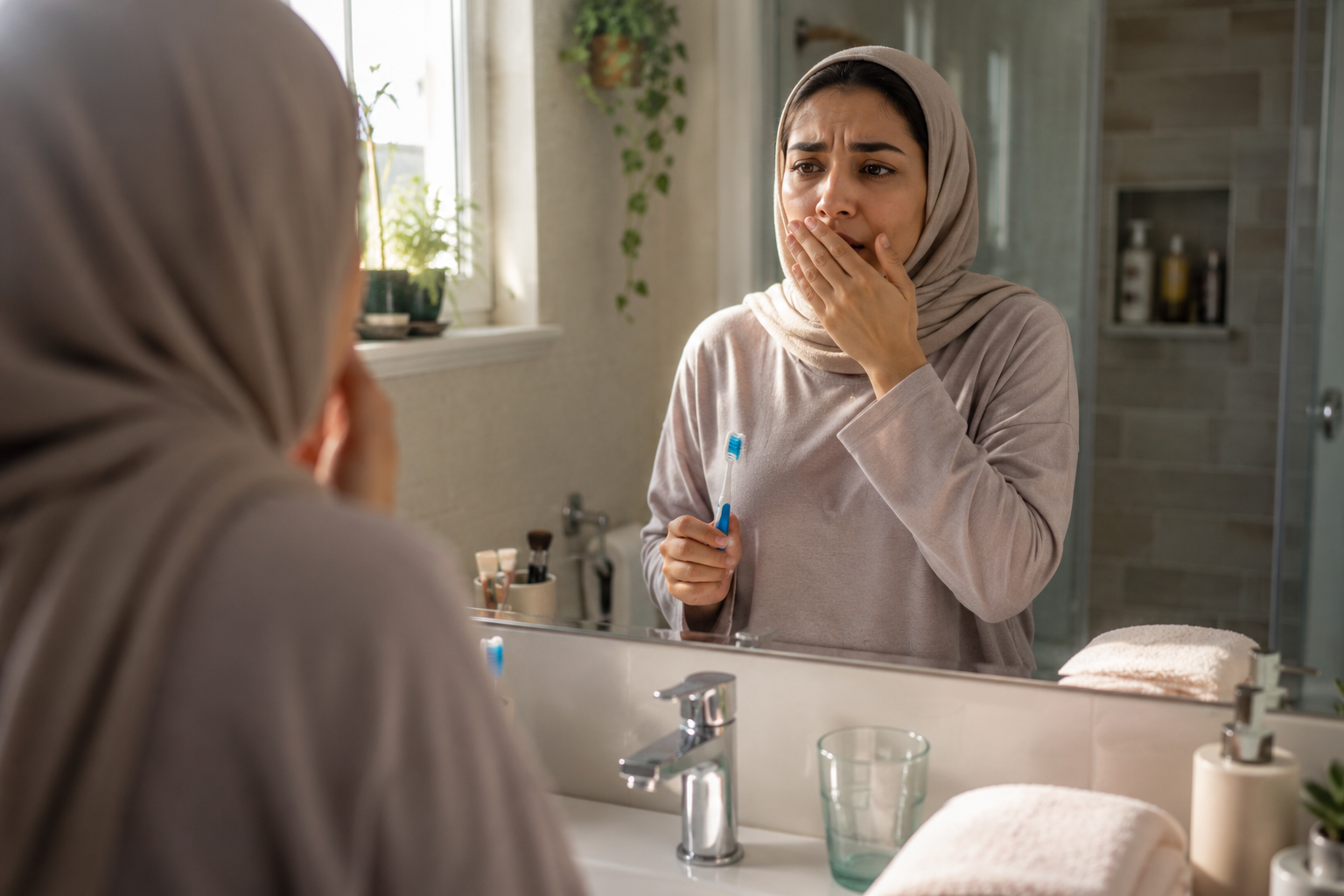
What Causes Bad Breath Even After Brushing?: Brushing your teeth should leave your mouth feeling fresh. Yet for a surprising number of adults, bad breath seems to return within an hour or two. Sometimes it never fully goes away at all.
That can be frustrating, especially when you are already brushing twice a day, using mouthwash, and trying to stay clean. . The problem is often more subtle.
A dry mouth after long work hours, bacteria trapped along the gumline, thick tongue coating, coffee habits, skipped flossing, mouth breathing during sleep, digestive discomfort, smoking, or old dental restorations can all contribute.
This article explains the most common reasons bad breath lingers even after brushing, what actually helps, and when it may be time to get professional advice.
Why Brushing Alone Sometimes Is Not Enough
A toothbrush mainly cleans the visible surfaces of teeth. It does not always reach between teeth, below the gumline, or across the back of the tongue where odor-causing bacteria tend to collect.
One practical example dentists frequently see is a patient with clean-looking front teeth but heavy plaque buildup between molars. From the outside, everything appears fine. Up close, trapped food particles and bacterial film create a persistent smell that returns quickly after brushing.
Another overlooked issue is brushing too quickly. A rushed 30-second brushing session may spread toothpaste around without fully disrupting plaque biofilm.
Persistent bad breath often develops from a combination of small habits rather than one major problem.
Common Causes of Bad Breath That Return Quickly
Tongue Bacteria and Coating
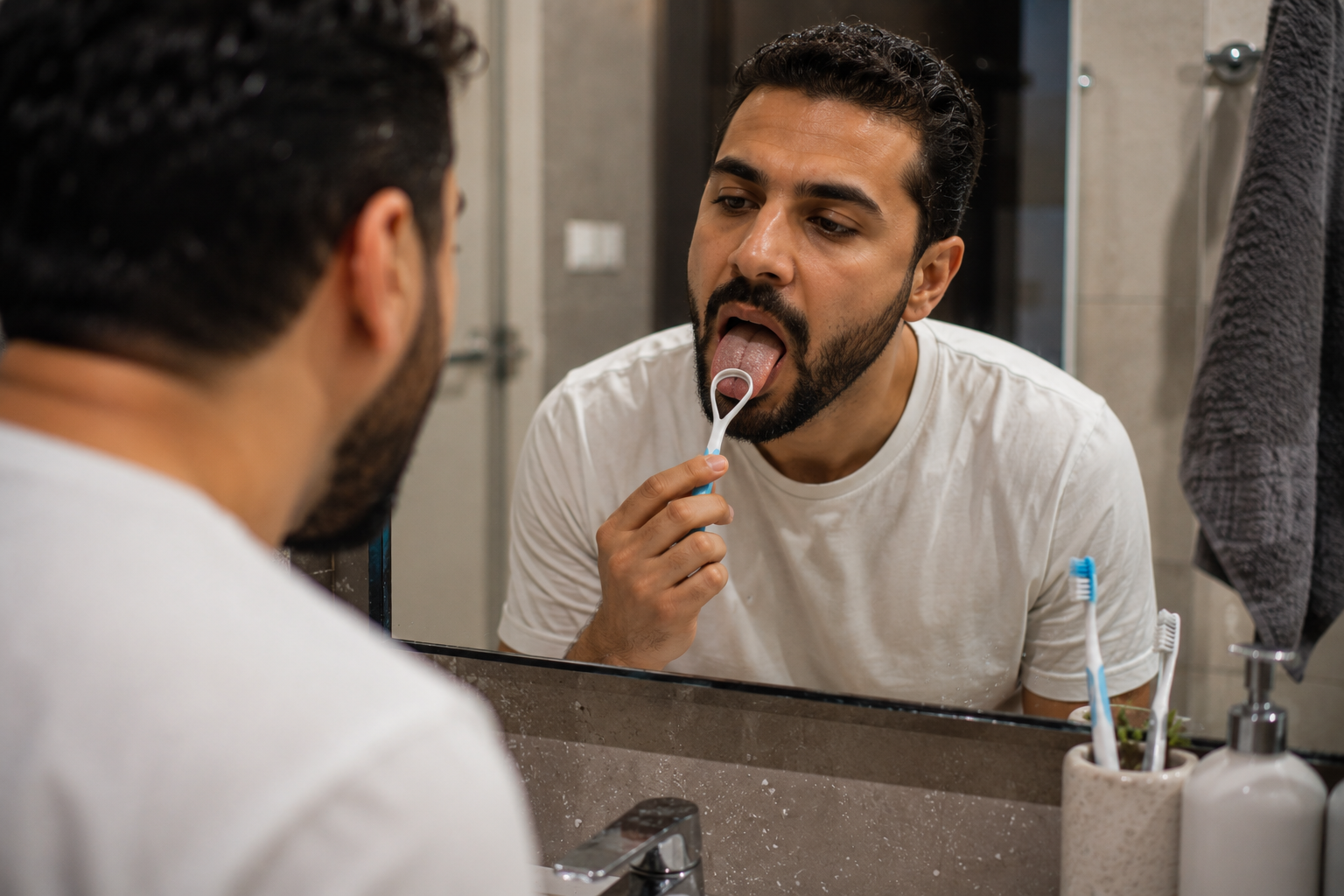
The tongue is one of the most common sources of unpleasant breath.
Its rough surface can trap bacteria, food debris, dead cells, and dry saliva. This coating is especially noticeable in the morning or after coffee consumption.
Even people with otherwise healthy teeth may still struggle with bad breath if the tongue is ignored during oral care.
Signs this may be contributing include: White or yellow coating on the tongue, Bad taste that returns shortly after, brushing, Strong morning breath, Dry or sticky feeling in the mouth
A gentle tongue scraper or soft brushing across the tongue can help reduce buildup without irritating the tissue.
Gum Inflammation and Plaque Near the Gumline
When plaque sits near the gumline, bacteria begin breaking down proteins and food debris. That process can produce sulfur compounds associated with bad breath.
If your gums bleed during flossing or brushing, it may be worth reviewing your gum health routine. Early warning signs are discussed further in our guide on gum disease symptoms you should never ignore.
Dry Mouth During Sleep or Daily Activities

Saliva naturally helps rinse away bacteria. When saliva production drops, odor tends to increase.
Dry mouth is surprisingly common among adults who:
- Sleep with their mouth open
- Drink several cups of coffee daily
- Take certain medications
- Work long hours without drinking water
- Smoke or vape regularly
A pattern many people notice is waking up with severe morning breath despite brushing before bed. In those situations, overnight dryness may be a larger factor than brushing quality itself.
Drinking water consistently throughout the day can make a noticeable difference.
Food Trapped Between Teeth
Tiny food particles stuck between molars can create a sour smell within hours.
This becomes more common when flossing is inconsistent or when tartar buildup creates rough surfaces that trap debris more easily.
If tartar accumulation has already started, brushing alone may not remove it effectively. You can learn more about the process in how tartar forms on teeth and how to stop it.
Tonsil Stones
Small white tonsil stones can also produce strong odors.
These stones form when debris becomes trapped inside tiny pockets near the tonsils. They are often associated with:
- Chronic bad breath
- Sore throat sensation
- Metallic taste
- Feeling something stuck in the throat
Because the smell comes from the throat area rather than the teeth, brushing may not improve it much.
Habits That Quietly Make Bad Breath Worse
Brushing Once a Day
Skipping nighttime brushing allows bacteria and food particles to remain in the mouth for several hours during sleep.
This can increase plaque formation and contribute to odor by morning.
If you are curious how brushing frequency affects buildup, this related article explains whether brushing once a day can contribute to tartar formation.
Using Mouthwash as a Shortcut
Strong mint mouthwash can temporarily mask odor without addressing the source.
Alcohol-based rinses may also leave the mouth feeling drier afterward, which can eventually worsen breath problems for certain individuals.
A healthier long-term strategy usually focuses on reducing bacterial buildup and improving moisture balance instead of covering odor with intense flavor.
Smoking and Vaping
Smoking affects saliva flow, gum circulation, and bacterial balance inside the mouth.
Even after brushing, smoke residue and dry tissue can create lingering odor. Vape liquids may also contribute to dryness depending on ingredients and frequency of use.
When Bad Breath Could Be Related to Dental Problems
Persistent odor sometimes signals an underlying oral health issue that should not be ignored.
Examples include: Gum infection, Deep cavities, Failing crowns or fillings, Food trapped under dental work, Advanced tartar accumulation, Wisdom tooth inflammation
One real-world clue is when another person notices the odor before you do. Long-term exposure can make people less sensitive to their own breath changes.
If bad breath continues despite improved hygiene for several weeks, a dental examination is usually worthwhile.
Practical Ways to Improve Bad Breath Naturally
Most cases improve through consistent daily habits rather than aggressive products.
Here are practical steps that genuinely help:
Clean the Tongue Daily
A tongue scraper or soft toothbrush can reduce bacterial coating significantly.
Be gentle. Scrubbing too hard may irritate tissue.
Floss More Consistently
Flossing removes odor-producing debris from spaces a toothbrush cannot reach.
If floss smells unpleasant after use, that often indicates trapped bacteria between teeth.
Stay Hydrated Throughout the Day
Dry mouth often becomes worse during long meetings, driving, fasting, or caffeine-heavy routines.
Simple hydration can noticeably improve breath quality.
Schedule Professional Cleanings
Tartar below the gumline cannot usually be removed with home brushing alone.
Professional cleaning helps remove hardened deposits that trap bacteria and odors.
Support a Balanced Oral Environment
Certain oral care products are designed to support healthier bacterial balance instead of simply masking odor.
Products like Callnature Oral Care Support are sometimes explored by adults looking for gentler daily support alongside regular hygiene routines.
The key is keeping expectations realistic. No supplement or rinse replaces brushing, flossing, hydration, and dental care.
Choosing Oral Care Products Carefully
The oral care market is filled with exaggerated promises.
Be cautious around phrases claiming instant cures or dramatic transformations. Sustainable oral health usually comes from routine habits maintained consistently over time.
For readers researching alternative products online, our analysis of Dental Pro 7 scam or legit claims discusses common marketing concerns and what consumers should realistically expect.
You may also find helpful oral hygiene tools on Amazon Oral Care Products, including tongue scrapers, floss picks, and soft-bristle toothbrushes.
Final Thoughts – What Causes Bad Breath Even After Brushing
Bad breath after brushing is usually a sign that the source of odor is being missed rather than ignored.
For one person, the issue may be tongue coating. For another, it may involve dry mouth, gum inflammation, trapped food, or tartar below the gumline.
The encouraging part is that persistent bad breath often improves when daily habits become more thorough and realistic instead of more aggressive.
Fresh breath is usually less about harsh mouthwash and more about consistency, hydration, gum care, and paying attention to the small areas brushing tends to miss.
FAQ – What Causes Bad Breath Even After Brushing
Why does my breath still smell after brushing my teeth?
Bad breath can persist because bacteria remain on the tongue, between teeth, near the gums, or in a dry mouth environment.
Can dry mouth cause bad breath?
Yes. Reduced saliva allows bacteria and odor compounds to build up more easily.
Does flossing help bad breath?
Flossing helps remove trapped food particles and plaque between teeth, which are common odor sources.
Are tongue scrapers effective?
Tongue scrapers can help reduce bacterial coating that contributes to unpleasant breath.
When should I see a dentist for bad breath?
If bad breath continues despite improved oral hygiene for several weeks, a dental examination is recommended.
About the Author – What Causes Bad Breath Even After Brushing
Dental Pro 7 Ingredients Editorial Team
The Dental Pro 7 Ingredients Editorial Team researches oral hygiene habits, gum health topics, plaque prevention, and consumer oral care products. Articles are written with a focus on practical daily care, readability, and evidence-informed information designed for general educational purposes.
Disclaimer – What Causes Bad Breath Even After Brushing
This article is intended for informational and educational purposes only and does not replace professional dental or medical advice. Always consult a licensed dentist or healthcare provider regarding concerns about oral health, gum disease, persistent bad breath, or treatment decisions.
One Comment