Autoimmune Disease and Tartar Buildup Risk: How It Affects Your Oral Health
Autoimmune disease and tartar buildup: Last Updated: September 7, 2026 · 6 min read
It can be connected through inflammation, changes in saliva production, and the body’s response to plaque bacteria.
Autoimmune conditions affect how the immune system regulates inflammation and tissue repair. These changes may influence gum health and the way oral tissues respond to bacterial plaque.
Some autoimmune conditions can also cause dry mouth. Reduced saliva can allow plaque to remain on tooth surfaces for longer. Over time, plaque can absorb minerals from saliva and harden into tartar, also called dental calculus.
For people with autoimmune conditions, consistent oral hygiene and regular dental monitoring can provide important support for long-term gum health.
How Autoimmune Conditions Affect Gum Health
Autoimmune disorders can influence inflammation and tissue healing. These effects may make gum tissue more sensitive to plaque accumulation.
Common oral effects include:
- Increased gum inflammation
- Slower tissue recovery
- Dry mouth
- Greater tooth or gum sensitivity
- Increased susceptibility to oral infections
When plaque collects along the gumline, the immune response can contribute to swelling and bleeding. Regular plaque removal helps limit this inflammatory response.
If plaque remains on the teeth, minerals can gradually harden it into tartar. Tartar then creates a rough surface that can retain additional plaque.
The relationship between autoimmune disease and oral health can also vary by age. Older adults may face additional factors that increase tartar risk and make preventive dental care especially important.
Learn more about tartar buildup in seniors and why tartar risk can increase with age.
Get Dental Care Products on Amazon
Looking for oral health products to complement your daily routine? Explore available options on Amazon and compare products based on your individual oral care needs.
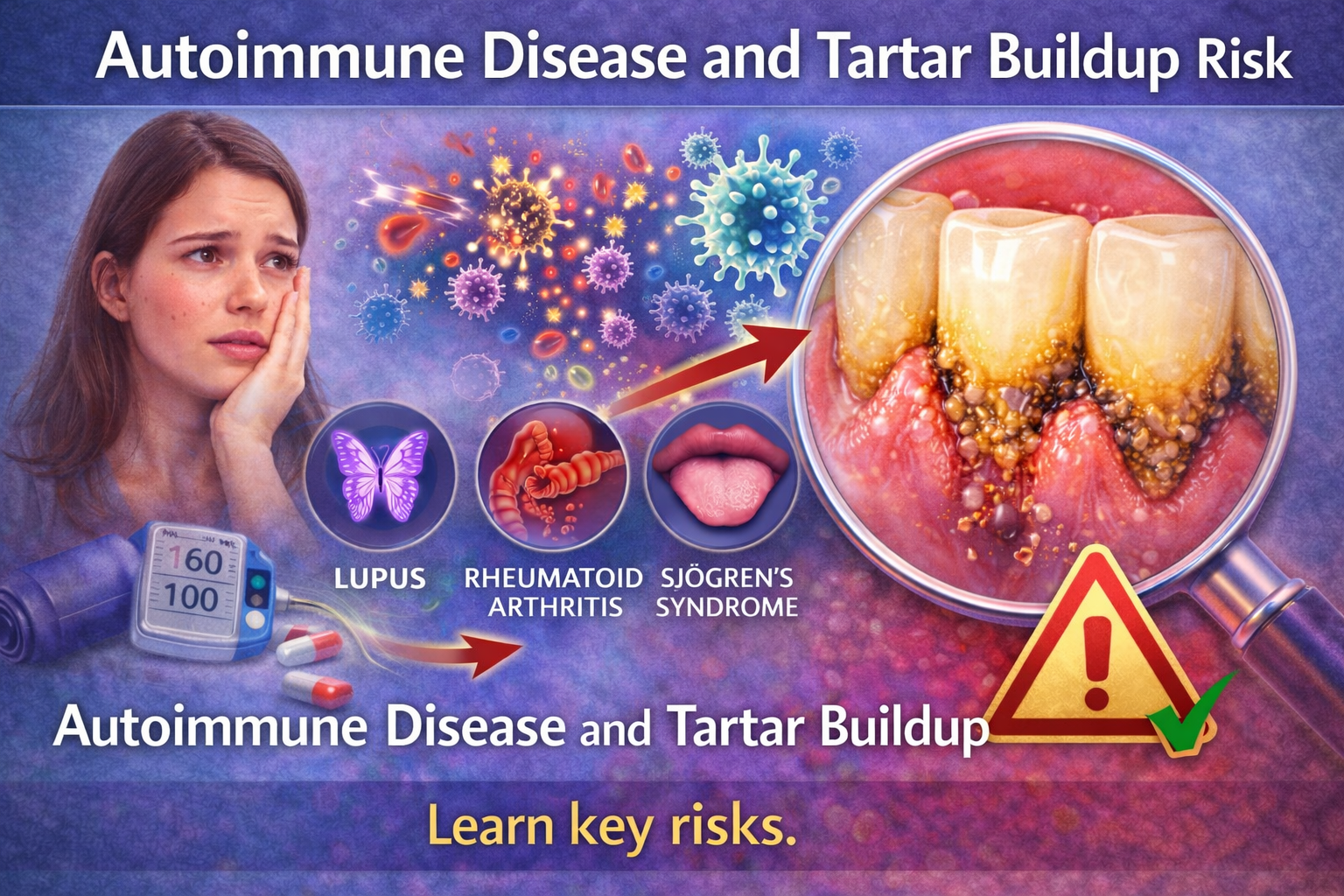
Autoimmune Conditions Associated With Oral Health Changes
Several autoimmune conditions can affect gum health and saliva production.
Examples include:
- Rheumatoid arthritis
- Lupus
- Sjögren’s syndrome
Rheumatoid arthritis and lupus involve systemic inflammatory processes. These conditions may influence how gum tissue responds to plaque.
Sjögren’s syndrome can significantly reduce saliva production. Saliva normally helps wash away food particles, support oral moisture, and protect teeth.
Hormonal changes can also influence gum sensitivity and saliva. Puberty, pregnancy, menstruation, and menopause may change how gum tissue responds to plaque.
Learn more about hormonal changes and tartar buildup and how different life stages can affect gum health.
Support Your Daily Oral Care Routine
A consistent plaque-control routine can help support gum health alongside professional dental care. Dental Pro 7 may complement brushing, interdental cleaning, and other daily oral hygiene practices.
Discover Dental Pro 7 for cleaner tooth surfaces and daily gum and plaque-control support.
Explore Dental Pro 7 →
Why Tartar Can Be More Problematic
For people with autoimmune conditions, tartar can contribute to ongoing gum irritation. Hardened deposits provide a rough surface where plaque can accumulate.
Potential concerns include:
- Persistent gum inflammation
- Gum bleeding
- Deeper periodontal pockets
- Increased plaque retention
- Greater difficulty maintaining gum health
Tartar below the gumline can be especially difficult to identify at home. Professional dental cleaning allows the dental team to assess and remove hardened deposits.
People with autoimmune conditions may also experience dry mouth. This can increase plaque retention and create additional challenges for daily oral hygiene.
Many people explore natural options that support gum health alongside professional dental care as part of their oral health routine.
Preventive Strategies for Autoimmune-Related Oral Risks
Managing autoimmune disease and tartar buildup benefits from a proactive oral care routine.
Useful strategies include:
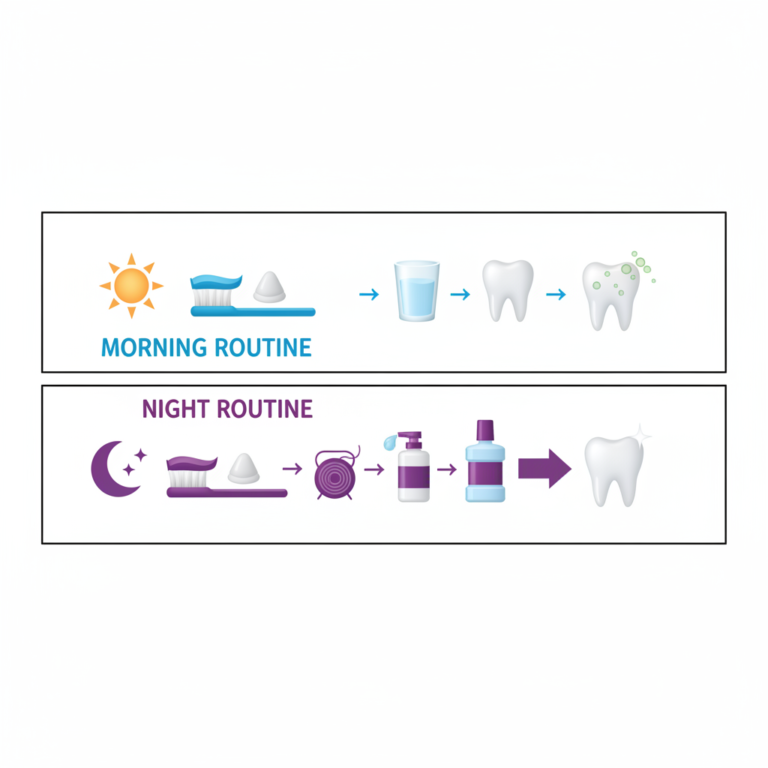
- Brush gently twice daily with fluoride toothpaste
- Clean between teeth every day
- Use an interdental brush when appropriate
- Drink water regularly
- Monitor dry mouth symptoms
- Schedule professional dental cleanings
- Follow the cleaning schedule recommended by your dentist
Dental cleaning frequency may vary based on gum condition and individual risk.
Children and teenagers with autoimmune conditions may also need age-appropriate oral care guidance. Their changing routines, diet, and brushing habits can affect plaque accumulation and tartar formation.
Parents can learn more about tartar buildup in children and the importance of early prevention.
Teenagers can also explore information about tartar buildup in teenagers and common factors that influence plaque control during adolescence.
Choosing an oral care product without SLS, perfumes, or unnecessary fillers may also appeal to people seeking a gentle daily oral hygiene routine.
Diabetes, Medications, and Tartar Risk
Autoimmune conditions are one factor that can influence oral health. Other health conditions and medications can also affect plaque control.
Diabetes can influence gum health and may require closer attention to daily plaque control. Understanding the relationship between diabetes and tartar can help support better preventive care.
Learn more about diabetes and tartar buildup and the importance of maintaining good oral hygiene.
Some medications can reduce saliva production or influence gum tissue. Dry mouth can increase plaque retention and make tartar control more challenging.
Learn more about medications that cause tartar buildup and how medication-related dry mouth can affect oral health.
When to See a Dental Professional
People with autoimmune conditions should pay attention to changes in their gums and teeth.
Consider scheduling a dental evaluation if you notice:
- Persistent gum bleeding
- Swollen or tender gums
- Visible tartar deposits
- Persistent bad breath
- Increasing tooth sensitivity
- Changes around the gumline
- Ongoing dry mouth
Early professional evaluation allows dentists to identify tartar and gum problems before they become more difficult to manage.
Regular communication between dental and medical providers can also help coordinate care when systemic conditions affect oral health.
FAQ: Autoimmune Disease and Tartar Buildup
1. Does autoimmune disease cause tartar?
Autoimmune disease can influence factors associated with tartar formation, such as inflammation and dry mouth. Plaque remains the starting point for tartar formation.
2. Can autoimmune conditions cause dry mouth?
Yes. Some autoimmune conditions, including Sjögren’s syndrome, can significantly reduce saliva production. Dry mouth can increase plaque retention and affect oral comfort.
3. Should people with autoimmune conditions have more frequent dental cleanings?
Some people may benefit from more frequent professional cleanings. The appropriate schedule depends on gum health, tartar accumulation, disease activity, and individual risk.
4. Can children with autoimmune conditions develop tartar?
Yes. Children can develop tartar when plaque remains on their teeth. Consistent brushing, parental guidance, and regular dental visits can help control plaque.
5. Can diabetes affect tartar and gum health?
Diabetes can affect gum health and may make plaque control especially important. Discuss oral health concerns with your dentist and healthcare provider.
6. Can medications affect tartar buildup?
Some medications can reduce saliva production or affect gum tissue. These changes may increase plaque retention and contribute to tartar formation.
People with autoimmune conditions can support their oral health through consistent plaque control, professional dental care, and communication with their healthcare team. A personalized approach can help maintain healthier gums and teeth over time.


One Comment