
How to Reduce Harmful Oral Bacteria Naturally Without Harsh Oral Care Routines
How to Reduce Harmful Oral Bacteria Naturally: Last Updated: September 4, 2026 · ⏱️ Reading Time: 12 min read
The mouth naturally contains hundreds of types of bacteria. Most are part of a healthy oral ecosystem that interacts with saliva, teeth, gums, and the tongue.
Problems can develop when certain bacteria become too abundant. Plaque may increase, breath may become unpleasant, and the gums may feel swollen or tender.
These changes often develop gradually. Dry mouth, frequent sugary drinks, inconsistent brushing, and plaque accumulation can all influence the oral environment.
Fortunately, daily habits can help support a healthier bacterial balance. Gentle brushing, interdental cleaning, hydration, tongue cleaning, and thoughtful food choices all play a role.
This guide explains how to reduce harmful oral bacteria naturally through practical habits and ingredient-focused oral care without relying on aggressive routines.

Why Harmful Oral Bacteria Build Up in the First Place
The mouth constantly manages bacteria through saliva, chewing, swallowing, and daily oral hygiene. When these natural processes become less effective, bacterial plaque can accumulate more easily.
Several everyday factors can influence this balance.
Dry Mouth Creates a Better Environment for Bacteria
Saliva helps wash away food particles and supports the mouth’s natural defenses. Reduced saliva flow can leave oral surfaces drier and allow plaque to remain longer.
People may notice more morning breath after dehydration, poor sleep, long work sessions, or frequent coffee consumption.
Drinking water regularly can support normal saliva function and help maintain a more comfortable oral environment.
Plaque Gives Bacteria a Place to Accumulate
Plaque is a sticky bacterial film that forms continuously on teeth. It develops from bacteria, saliva components, and food particles.
Plaque commonly collects around the gumline, behind the lower front teeth, between crowded teeth, and around dental work.
Consistent plaque bacteria control helps remove this biofilm before it becomes more established.
Frequent Sugary Snacks and Drinks Feed Oral Bacteria
Sugary foods and drinks provide fermentable carbohydrates that oral bacteria can use. Frequent exposure gives the mouth less time to return to its normal environment between meals.
Reducing constant sipping and repeated snacking can therefore support better plaque control.
Can Dental Pro 7 Support a Consistent Oral Care Routine?
A consistent routine remains the foundation of daily oral hygiene. Brushing, cleaning between teeth, tongue care, hydration, and professional dental visits all contribute to long-term oral health.
For readers exploring ingredient-based oral care, Dental Pro 7 is designed as a botanical-focused oral care product that can complement established hygiene habits.
The formula is discussed in greater detail through the Dental Pro 7 natural dental product complete guide, including its ingredients, potential benefits, usage considerations, and the science behind its formulation.
👉 Explore Dental Pro 7 and Its Natural Ingredient Approach
Reducing Harmful Oral Bacteria Starts With Consistent Cleaning
Oral bacteria are managed most effectively through habits that can be repeated every day.
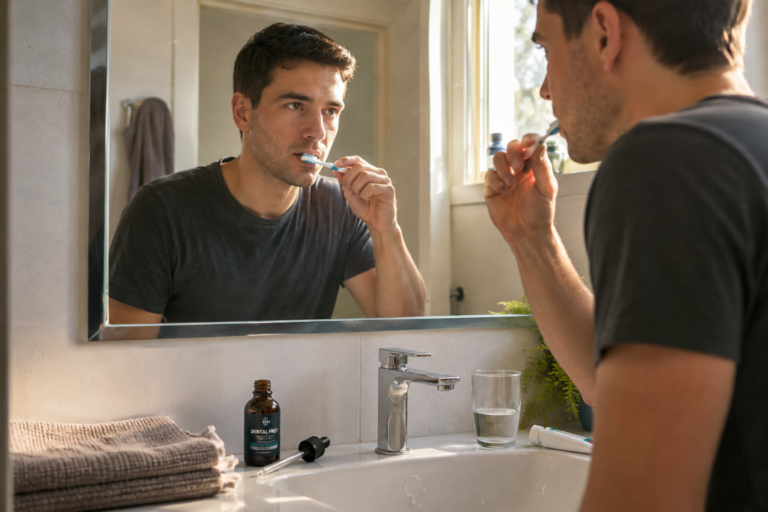
Slow Down While Brushing
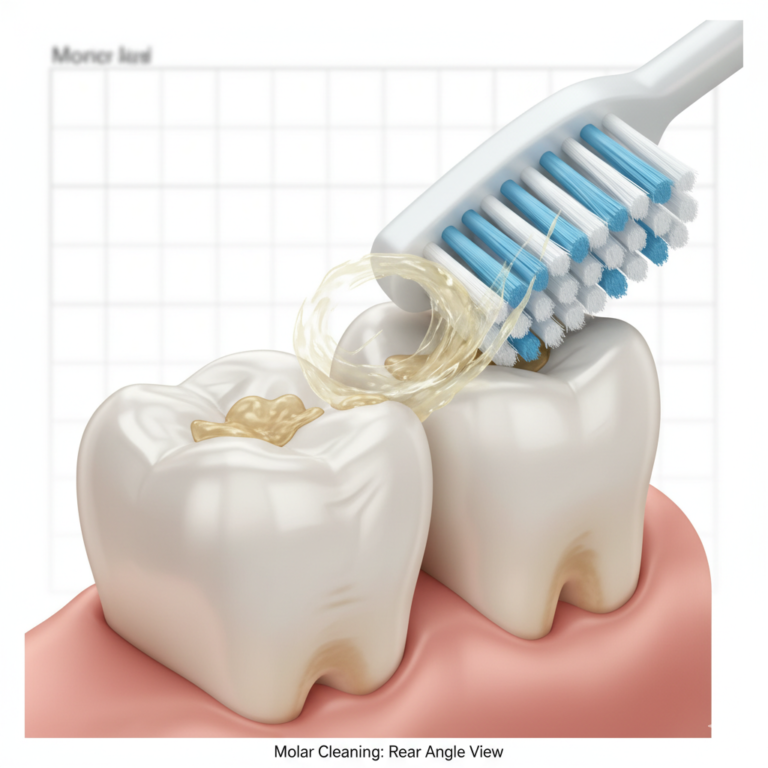
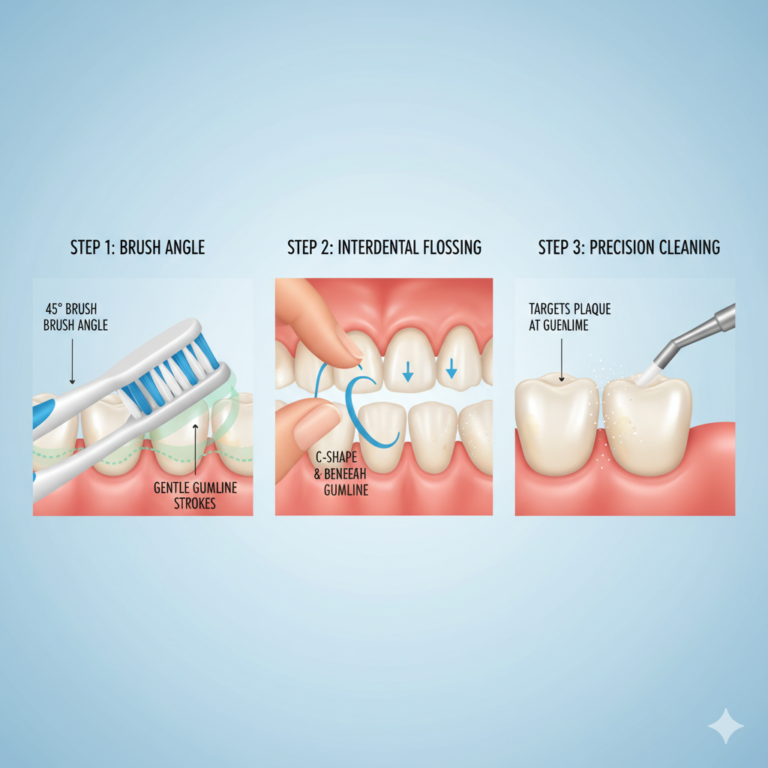
Rushed brushing can leave plaque around the gumline and other difficult-to-reach areas.
Use gentle pressure and spend enough time cleaning the outer, inner, and chewing surfaces of the teeth.
The American Dental Association recommends brushing twice daily and cleaning between teeth regularly.
Clean Between Teeth More Consistently
Toothbrush bristles have limited access between closely positioned teeth.
Floss, interdental brushes, or another suitable interdental cleaner can help remove plaque from these areas.
Regular interdental cleaning also helps maintain cleaner gum margins.
Clean the Tongue Gently
The tongue contains many small surface structures where bacteria and food particles can collect.
Gentle daily tongue cleaning can help reduce surface buildup and may contribute to fresher breath.
Persistent Bad Breath May Signal an Oral Health Issue
Persistent bad breath can have several causes. Plaque accumulation, gum inflammation, dry mouth, tongue coating, diet, and other oral conditions may contribute.
People experiencing ongoing breath concerns should consider whether gum health or another underlying issue requires professional evaluation.
How Gum Health and Oral Bacteria Are Closely Connected
Gum health plays an important role in maintaining a balanced oral environment.
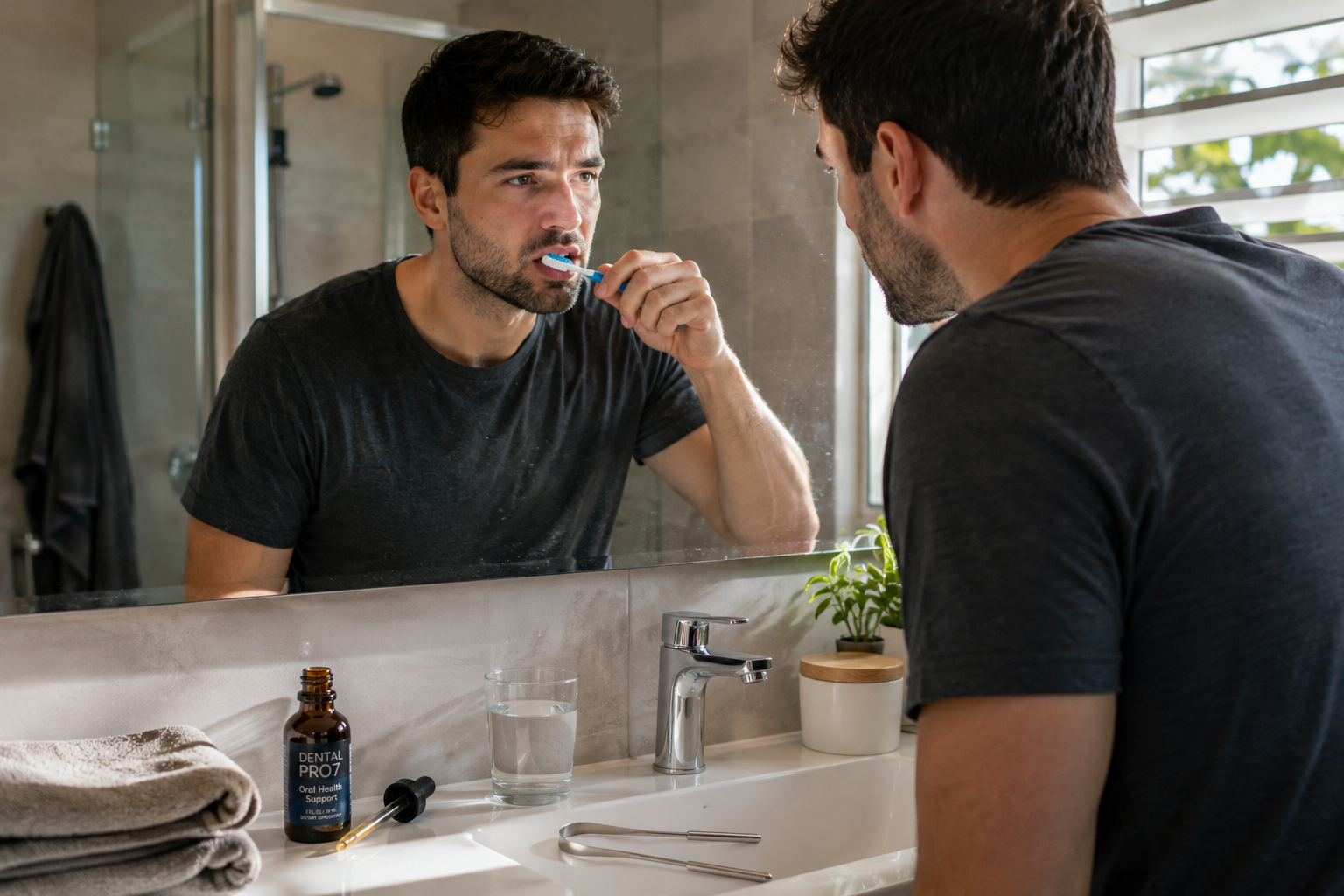
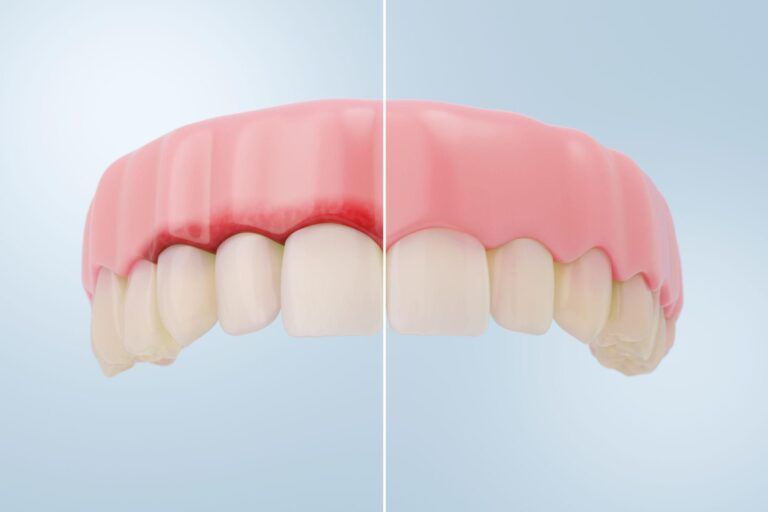
Healthy gum tissue forms a protective boundary around the teeth. Plaque accumulation near this boundary can trigger inflammation and make the gums more sensitive.
As inflammation develops, brushing and interdental cleaning may become uncomfortable. This can make thorough daily cleaning more difficult and allow additional plaque to remain.
This relationship shows why bacterial control involves more than fresh breath. Supporting healthy gums also helps maintain the mouth’s natural protective environment.
Individuals experiencing persistent tenderness, redness, or bleeding can learn more about gingivitis treatment for healthier gums and practical strategies for supporting healthier gum tissue.
Everyday Habits That Quietly Affect Oral Bacteria
Some daily routines can influence oral bacteria without receiving much attention.
Stay Hydrated Throughout the Day
Water supports normal saliva production and helps rinse away food particles.
People who spend long hours working, exercising, or drinking coffee may benefit from making regular hydration part of their routine.
Manage Late-Night Snacking
Late-night snacks can extend the amount of time teeth remain exposed to food particles and fermentable carbohydrates.
Brushing before sleep provides an important opportunity to remove accumulated plaque before the overnight period.
Consider the Effects of Smoking and Vaping
Smoking can affect gum health and the oral environment. The CDC identifies smoking as an important risk factor for gum disease.
Reducing exposure to tobacco products can support broader oral and general health goals.
Nutrition Choices That May Help Limit Harmful Bacterial Growth
Food choices can influence the environment in which oral bacteria live.
Foods that require chewing can stimulate saliva production. Saliva helps rinse food particles from the mouth and supports natural oral defenses.
Fresh vegetables, whole foods, and balanced meals can fit well within a tooth-friendly eating pattern.
Frequent sugary snacks and drinks create repeated opportunities for bacterial metabolism. Reducing the frequency of these exposures may support better plaque management.
Acidic beverages also deserve attention. Soft drinks, sports drinks, and sweetened beverages can expose teeth to acids and sugars at the same time.
The overall pattern matters more than one individual food. Consistent choices throughout the day can support a healthier oral environment.
Why Gentler Oral Care Can Support Better Long-Term Consistency
The goal of daily oral care is effective plaque management while maintaining comfortable teeth and gums.
Very aggressive brushing can irritate the gumline. Strong products may also feel uncomfortable for people with sensitive oral tissues.
A gentler approach focuses on effective techniques, appropriate products, and consistent use.
This strategy can make oral hygiene easier to maintain over months and years.
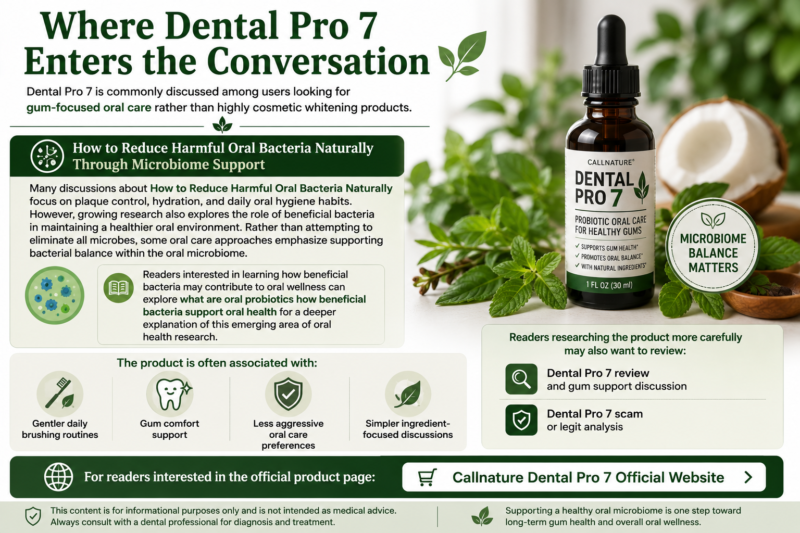
Understanding Dental Pro 7 Ingredients for Daily Oral Care
Ingredient-focused oral care can be useful for readers who want to understand what they are using rather than choosing products based only on marketing claims.
Dental Pro 7 uses a combination of natural oils and botanical ingredients as part of its formulation.
Readers can review the Dental Pro 7 ingredients review to explore the science, potential benefits, and role of individual ingredients in oral care.
A separate Dental Pro 7 ingredients breakdown provides a more detailed look at the formula and explains the purpose of its different components.
These resources can help readers compare ingredient information with their own oral care priorities.
Why Ingredient Transparency Matters
Understanding an oral care formula makes it easier to evaluate how a product fits into an existing routine.
Readers may want to consider the ingredients, intended use, application method, product claims, and available safety information before making a decision.
The goal is a practical oral care routine that combines proven hygiene habits with products that suit individual preferences.
Why Dental Pro 7 Uses a Liquid Oral Care Format
Product format can influence how an oral care product is used.
A liquid formulation can spread across different areas of the mouth during rinsing. This makes the application process different from traditional toothpaste or solid oral care products.
Readers interested in the formulation choice can explore why Dental Pro 7 natural ingredients use a liquid format, including the reasoning behind this approach and how it fits into a daily oral care routine.
The liquid format should be viewed as one part of the product experience. Brushing, interdental cleaning, tongue care, hydration, and professional dental care remain important components of oral hygiene.
Does a Natural Oral Care Product Replace Daily Brushing?
Natural ingredients can complement an oral care routine, but they work best alongside established hygiene practices.
Brushing twice daily helps remove plaque from tooth surfaces. Cleaning between teeth reaches areas that toothbrush bristles often miss.
Tongue cleaning, hydration, and regular dental examinations add further support.
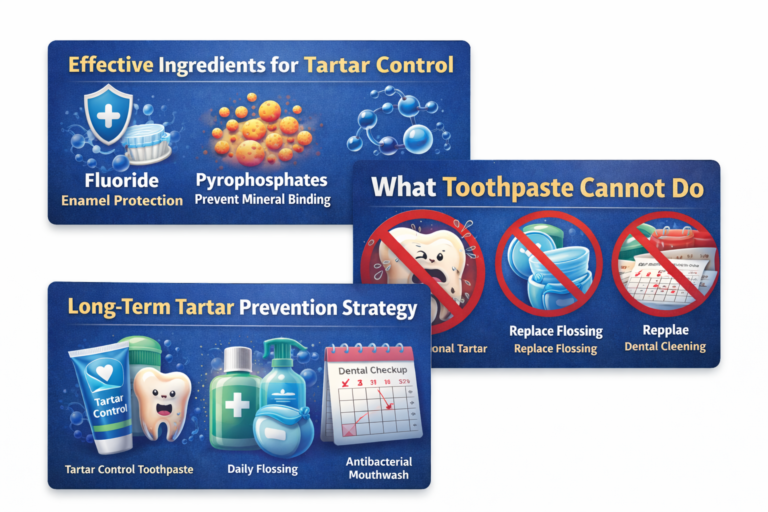
A product should therefore fit into the broader routine rather than become the only method of bacterial control.
Why Maintaining a Healthy Oral Microbiome Matters
The mouth contains a complex community of microorganisms. A healthy oral environment depends on balance rather than complete elimination of bacteria.
Some bacteria are part of the normal oral microbiome. Excessive plaque accumulation and environmental changes can shift this balance.
This is why everyday habits matter. Consistent plaque removal, hydration, balanced nutrition, and healthy gums all contribute to a more stable oral environment.
Readers interested in this broader concept can explore oral microbiome balance and the role beneficial bacteria may play in oral wellness.
The Importance of Long-Term Consistency Over Quick Fixes
Modern oral care trends often promote rapid results. Long-term oral health usually depends more on habits that people can maintain consistently.
Plaque develops continuously. A single intensive cleaning session therefore provides only temporary improvement if daily plaque control remains inconsistent.
A realistic routine may include:
- Brushing twice daily
- Cleaning between teeth regularly
- Cleaning the tongue gently
- Drinking water throughout the day
- Limiting frequent sugary drinks and snacks
- Using suitable oral care products consistently
- Scheduling professional dental visits when appropriate
Consistency also helps people notice changes in their gums, breath, or tooth surfaces earlier.
Choosing an Oral Care Product With Fewer Artificial Additives
Some readers prefer oral care products formulated without certain artificial chemicals or ingredients.
For those interested in this approach, the guide to Dental Pro 7 with no artificial chemicals explains the product’s positioning and how its ingredient philosophy relates to daily brushing.
Individual preferences can vary. Readers should consider the complete formulation, intended use, and their own oral health needs when selecting products.
Realistic Expectations About Harmful Oral Bacteria
A healthy mouth still contains bacteria. The practical goal is to support a balanced oral environment and manage plaque effectively.
Helpful daily habits include:
- Brushing thoroughly twice a day
- Cleaning between teeth
- Cleaning the tongue gently
- Staying hydrated
- Limiting frequent sugary exposures
- Supporting healthy gums
- Choosing oral care products carefully
- Visiting a dentist when symptoms persist
These steps provide a practical foundation for long-term oral hygiene.
When You Should See a Dentist
Daily oral care supports prevention, but some symptoms require professional evaluation.
Consider seeing a dentist when you experience:
- Persistent gum bleeding
- Swollen or painful gums
- Loose teeth
- Persistent bad breath
- Gum recession
- Pain while chewing
- Significant tooth sensitivity
- Repeated plaque or calculus buildup
- Oral symptoms that continue despite improved daily care
A dental professional can identify the underlying cause and recommend appropriate treatment.
Frequently Asked Questions About Reducing Harmful Oral Bacteria Naturally
Is it possible to eliminate all harmful oral bacteria?
The mouth naturally contains many microorganisms. A healthier goal is maintaining bacterial balance and controlling excessive plaque accumulation.
Can dry mouth increase bacterial buildup?
Yes. Reduced saliva flow can make it easier for plaque and food particles to remain on oral surfaces.
Does tongue cleaning help with bad breath?
Gentle tongue cleaning can reduce surface buildup that contributes to unpleasant breath.
Does brushing twice a day help reduce harmful oral bacteria?
Yes. Regular brushing removes plaque and helps control the environment where bacteria accumulate.
Can natural ingredients support daily oral care?
Some natural ingredients are used in oral care formulations for their cleansing or botanical properties. Their role should be considered within a complete oral hygiene routine.
Does Dental Pro 7 replace brushing and flossing?
Dental Pro 7 should complement, rather than replace, fundamental oral hygiene practices such as brushing and cleaning between teeth.
Why does my mouth still feel coated after brushing?
A coated sensation can relate to plaque, tongue buildup, dehydration, dry mouth, diet, or other oral factors. Persistent symptoms deserve professional evaluation.
About the Author — Dental Pro 7 Ingredients Editorial Team
The Dental Pro 7 Ingredients Editorial Team researches oral hygiene routines, plaque control, gum health, oral microbiome topics, and ingredient-focused discussions in modern oral care.
Content is developed using publicly available dental references and preventive oral health resources to help readers understand practical approaches to long-term oral care.
Disclaimer
This article is provided for informational and educational purposes only. It does not replace professional dental diagnosis, treatment, or personalized medical advice.
Oral health conditions vary between individuals. Readers experiencing persistent bleeding, swelling, pain, worsening breath concerns, or other ongoing symptoms should consult a licensed dentist or healthcare professional for appropriate evaluation.

16 Comments