
Bad breath is a common oral health problem that many people associate with certain foods or missed brushing. However, persistent odor often has underlying causes that require closer attention
Bad Breath and Gum Disease: Last Updated: Last Updated: August 2, 2026, ⏱️ 9 min read
Bad breath is one of the most common oral health concerns. Many people assume it develops only after eating certain foods or skipping regular brushing. While those factors certainly play a role, persistent bad breath can sometimes signal a deeper issue—particularly when it develops alongside unhealthy gums.
The relationship between bad breath and gum disease is closer than many people realize. The balance of bacteria inside the mouth plays an important role in maintaining oral health. As harmful bacteria accumulate along the gumline, they promote plaque buildup, trigger gum inflammation, and contribute to persistent bad breath unless daily oral hygiene keeps them under control.
Understanding this connection allows people to address the underlying cause instead of simply masking the odor with mouthwash or breath mints.
Why Bad Breath and Gum Disease Often Occur Together
The mouth naturally contains hundreds of bacterial species, and most of them are beneficial or harmless. Together, they help maintain a healthy oral environment.
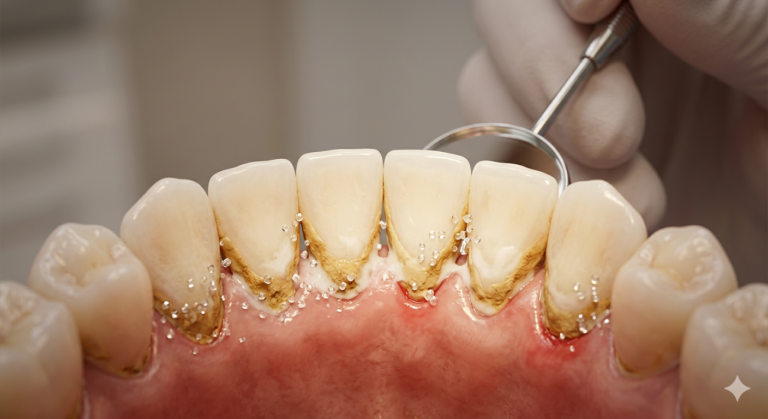
Problems begin when harmful bacteria multiply faster than the mouth’s natural defenses can control them. As these bacteria collect around the teeth and gums, they form a sticky film known as plaque.
If plaque is not removed through regular brushing and cleaning between the teeth, bacteria continue to grow. During this process they release sulfur-containing compounds that create the unpleasant odor commonly associated with chronic bad breath.
At the same time, bacterial toxins irritate the surrounding gum tissue. The gums may become red, swollen, or bleed more easily during brushing. Over time, this creates an environment where even more bacteria can accumulate beneath the gumline, making both gum irritation and bad breath increasingly difficult to control.
Better Gum Care Starts With Better Information
Learn about the botanical ingredients behind Dental Pro 7 and how they may support your long-term oral care goals.
Common Causes of Bad Breath and Gum Disease You Should Know
Although occasional bad breath is normal, persistent odor often develops because several factors work together rather than from a single cause.
Some of the most common contributors include:
- Plaque accumulation around the gumline
- Inconsistent brushing and flossing
- Dry mouth caused by dehydration or reduced saliva flow
- Early gum inflammation (gingivitis)
- Smoking or vaping
- Frequent consumption of sugary snacks and beverages
- Tongue coating that traps bacteria
Saliva plays an important role in naturally washing away bacteria and food particles. When the mouth becomes dry, bacteria can remain on oral surfaces longer, increasing both plaque buildup and unpleasant breath.
Likewise, plaque that remains undisturbed for several days provides an ideal environment for odor-producing bacteria to thrive.
People experiencing persistent irritation may benefit from learning about common gum swelling causes and practical ways to support healthier gums every day.
Support Healthier Gums With Daily Preventive Care
Keeping harmful bacteria under control requires more than masking bad breath. A complete oral hygiene routine that supports healthy gums may help maintain fresher breath over time.
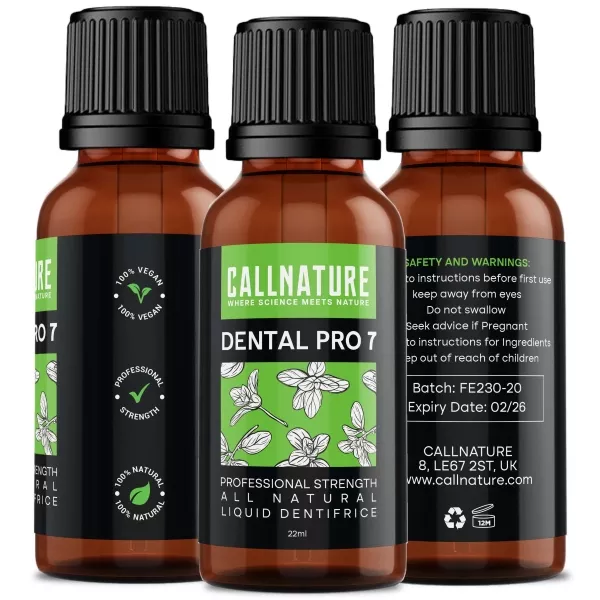
Dental Pro 7 is formulated with botanical ingredients to complement brushing and flossing as part of a long-term gum care routine.
- Supports healthy gums
- Helps maintain a balanced oral environment
- Easy to incorporate into your daily oral care routine
👉 Learn More About Dental Pro 7
Signs That Bad Breath May Be Linked to Gum Problems
Not every case of bad breath indicates gum disease. However, persistent odor accompanied by gum symptoms deserves attention.
Common signs include:
- Bad breath that returns soon after brushing
- Bleeding during brushing or flossing
- Red or swollen gums
- Tenderness along the gumline
- Visible plaque buildup
- A persistent unpleasant taste in the mouth
These symptoms often indicate that bacterial balance inside the mouth has been disrupted. Addressing the underlying bacterial buildup is generally more effective than relying on products designed only to temporarily mask odors.
Early care becomes even more important when irritation continues, and understanding effective inflamed gums treatment options may help improve overall gum comfort.
How Plaque Contributes to Bad Breath and Gum Disease
Plaque develops continuously throughout the day, even in people with good oral hygiene. The key difference is how consistently it is removed.
When plaque remains near the gums, bacteria continue producing substances that irritate the surrounding tissue. The gums may begin pulling slightly away from the teeth, creating small spaces where bacteria can collect even more easily.
This process explains why persistent plaque is associated with both unpleasant breath and declining gum health.
Learn More About Plaque Control
Effective plaque bacteria control can help reduce bacterial buildup before it contributes to chronic bad breath and ongoing gum irritation.
The Importance of Maintaining a Healthy Oral Microbiome
Modern oral health research suggests that the goal is not to eliminate every bacterium in the mouth. Instead, maintaining a balanced oral microbiome appears far more beneficial.
Beneficial bacteria compete with harmful species and help create a healthier oral environment. Aggressive oral care products that excessively dry the mouth may sometimes disrupt this natural balance.
Supporting a healthy microbiome through consistent oral hygiene, hydration, and balanced nutrition may contribute to fresher breath while helping maintain healthier gums over time.
Support a Balanced Oral Microbiome
A balanced oral microbiome helps beneficial bacteria naturally support healthier gums while limiting excessive growth of odor-producing microorganisms.
Daily Habits That Help Reduce Bad Breath Naturally
Most long-term improvements come from simple daily habits rather than dramatic treatments.
Practical routines include:
- Brush teeth thoroughly twice each day.
- Clean between teeth with floss or interdental brushes.
- Gently clean the tongue to remove bacterial coating.
- Drink enough water throughout the day.
- Limit frequent sugary snacks and sweetened beverages.
- Schedule regular professional dental cleanings.
These habits reduce the amount of plaque available for harmful bacteria while supporting healthier gum tissue.
Consistency usually produces better long-term results than aggressive cleaning performed only occasionally.
Ingredient-Based Oral Care That Supports Healthy Gums
Many people also explore oral care products formulated with botanical ingredients that focus on supporting gum health as part of their overall daily routine.
Products such as Dental Pro 7 are commonly discussed by individuals interested in gentle oral care approaches rather than heavily cosmetic whitening products.
Reading an independent Dental Pro 7 review can provide additional insight into how users incorporate the formula into their everyday gum care routine.
Those interested in understanding the formulation can review the complete explanation of Dental Pro 7 ingredients, including the botanical oils and plant-based compounds used in the formula.
Readers comparing user experiences and long-term expectations may also find value in reviewing independent Dental Pro 7 reviews, which summarize commonly reported experiences and practical observations.
Before purchasing, comparing current Dental Pro 7 price options can help you choose the package that best matches your oral care goals.
When Persistent Bad Breath Should Not Be Ignored
Occasional bad breath after certain foods is common and usually temporary.
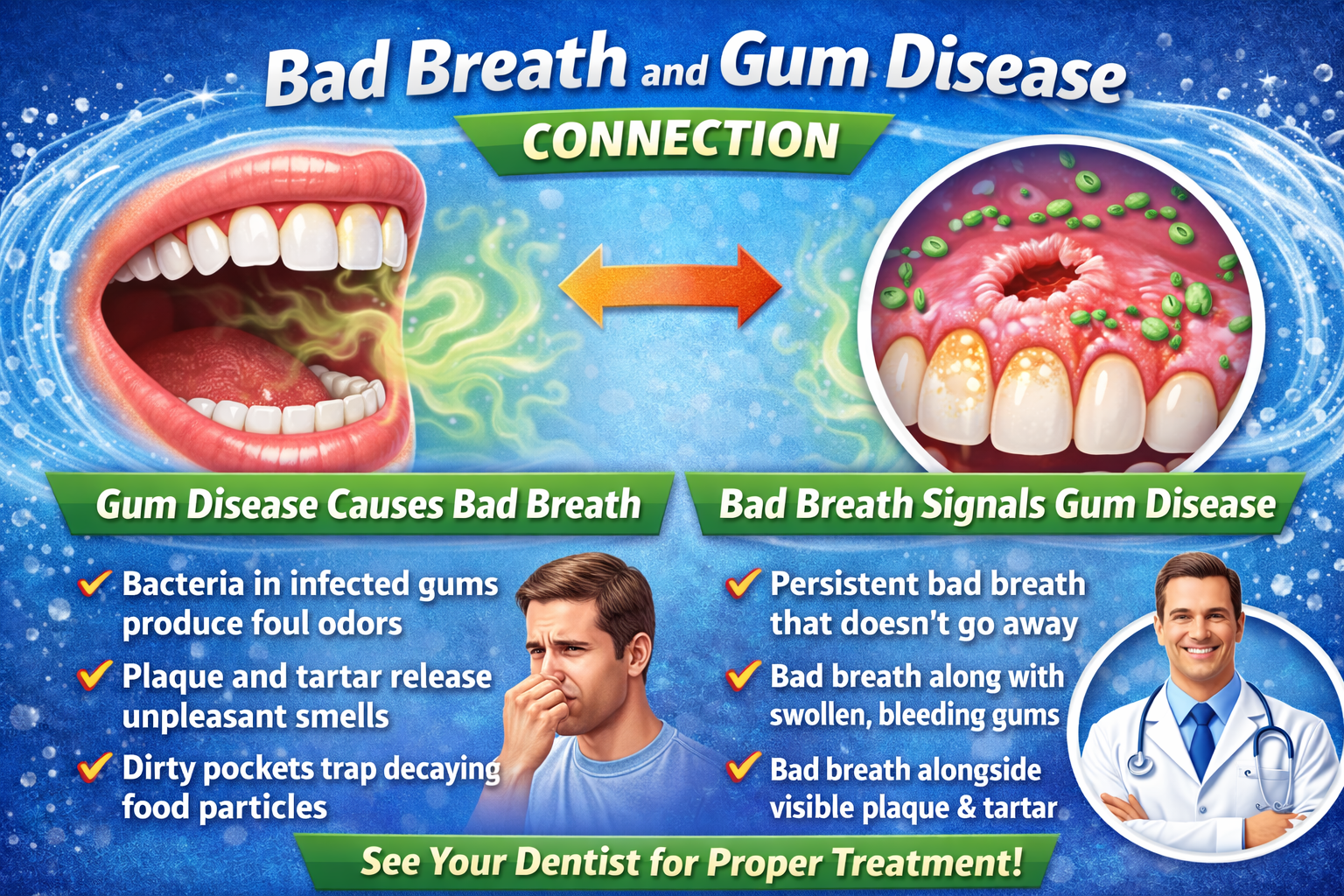
Persistent bad breath, however, may indicate ongoing bacterial activity beneath the gumline. When combined with bleeding gums, swelling, or tenderness, it may suggest that gum health requires additional attention.
Learning about the relationship between bad breath and gum disease can help individuals recognize early warning signs before more significant oral health problems develop.
If symptoms continue despite maintaining good oral hygiene, consultation with a licensed dentist is recommended for proper evaluation.
Healthy Gums Start With Smart Choices
Explore the natural ingredients, real user reviews, and practical information about Dental Pro 7 before deciding if it’s right for you.
Frequently Asked Questions – Bad Breath and Gum Disease
Can bad breath be an early sign of gum disease?
Yes. Persistent bad breath often develops alongside plaque buildup and gum inflammation, making it one of the earliest signs of developing gum problems.
Why does gum disease cause unpleasant breath?
Bacteria trapped around inflamed gums produce volatile sulfur compounds that create persistent mouth odor and may worsen as plaque accumulates.
Can improving gum health reduce bad breath?
In many cases, yes. Consistent brushing, flossing, tongue cleaning, hydration, and plaque control help reduce bacterial buildup and improve breath freshness.
Is plaque the main cause of chronic bad breath?
Plaque is one of the most common contributors because it provides an environment where odor-producing bacteria can thrive if not removed regularly.
Should I see a dentist for persistent bad breath?
Yes. If bad breath continues despite maintaining good oral hygiene or occurs with swollen or bleeding gums, a dental evaluation is recommended.
Final Thoughts – Bad Breath and Gum Disease
Bad breath is often more than a cosmetic concern. In many cases, it reflects changes occurring beneath the surface of the gums.
By controlling plaque, maintaining a balanced oral microbiome, staying hydrated, and following consistent oral hygiene habits, many people can reduce the bacterial conditions that contribute to both unpleasant breath and gum irritation.
Rather than searching for quick fixes, focusing on long-term oral care routines provides a more practical approach to maintaining fresher breath and healthier gums for years to come.
Disclaimer: This article is intended for educational purposes only and should not replace professional dental advice. Individuals experiencing persistent bad breath, gum bleeding, swelling, or oral pain should consult a qualified dentist for diagnosis and appropriate treatment.
Related articles:


3 Comments