Complete Tartar Removal Guide for Long-Term Oral Health
complete tartar removal guide: Last Updated: August 8, 2026 · Reading Time: 15 min read
Most people do not think much about tartar until they feel it.
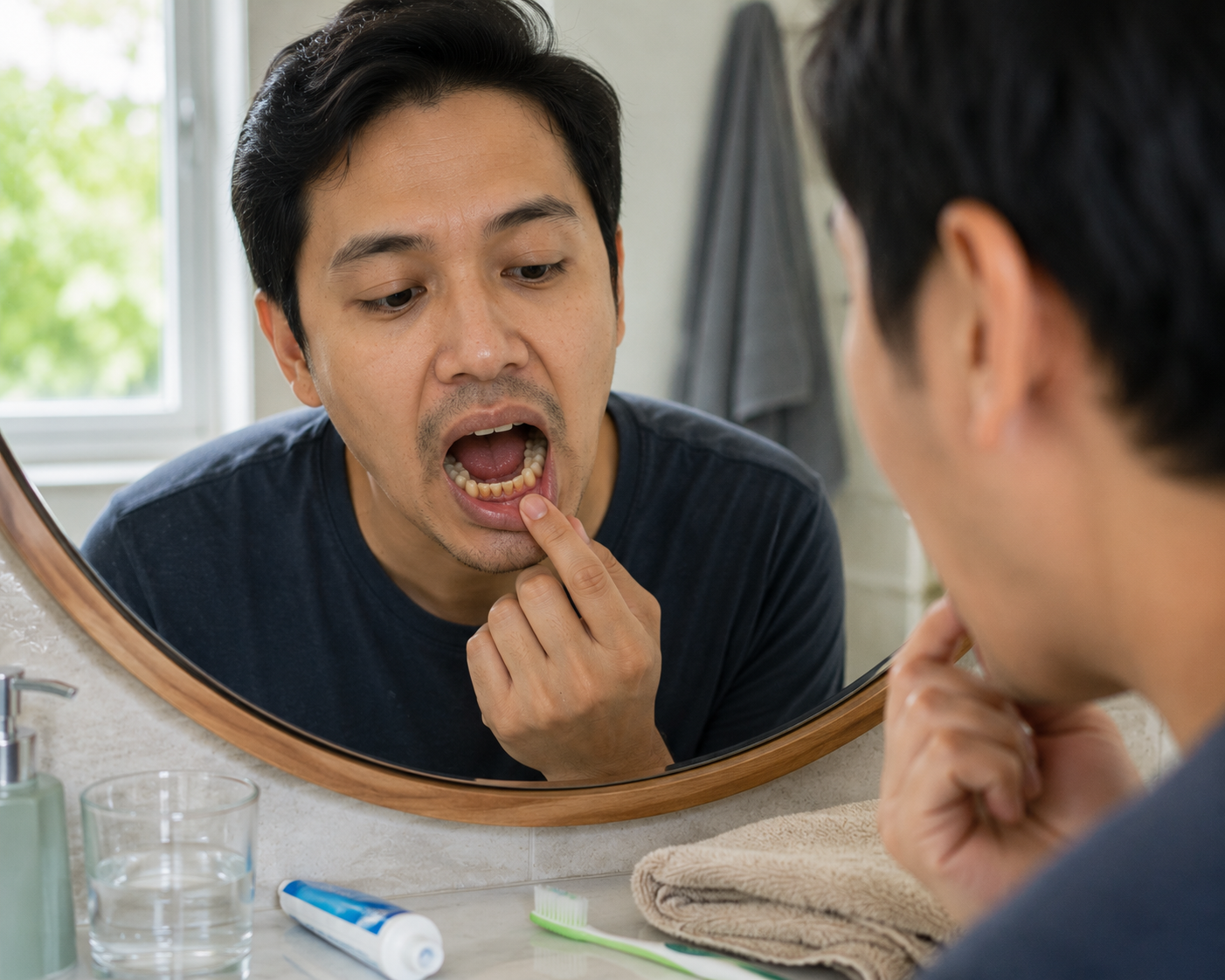
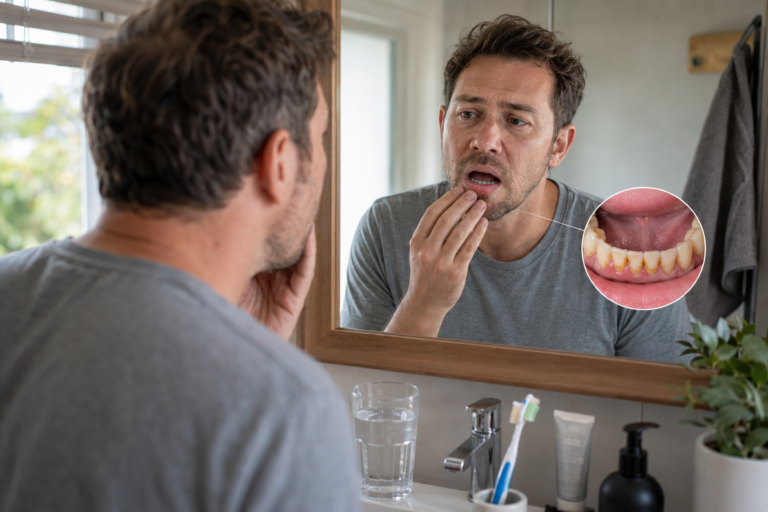
Tartar buildup usually develops gradually. At first, teeth may simply feel rough near the gumline or behind the lower front teeth.
Because hardened tartar behaves differently from soft plaque, brushing harder does not always solve the problem. Once buildup attaches firmly to the teeth, professional cleaning may be necessary.
Understanding how tartar forms, why it returns in certain areas, and how daily habits influence buildup can help support healthier long-term gum care.
What Is Tartar and How Does It Form?
Tartar, also known as dental calculus, is hardened plaque that bonds to the tooth surface.
Plaque itself is soft and sticky. It forms naturally throughout the day when bacteria mix with food particles and saliva proteins inside the mouth.
Readers seeking a visual explanation can also explore How Plaque Forms on Teeth Step by Step to understand how bacterial biofilm develops each day.
If plaque is not removed consistently, minerals found in saliva begin hardening it into tartar.
That is the key difference.
Once tartar forms, normal brushing usually cannot remove it completely.
For a more detailed comparison between early plaque and hardened tartar, see Tartar vs Plaque Differences.
Why Tartar Matters for Long-Term Gum Health
Tartar affects more than the appearance of teeth.
Its rough surface creates areas where bacteria can attach more easily near the gums. Over time, this environment can contribute to inflammation and other gum concerns.
Common issues associated with significant tartar buildup include:
- Persistent bad breath
- Bleeding gums
- Gum irritation
- Gum recession
- Increased periodontal disease risk
- Teeth feeling rough after brushing
Tartar often develops gradually. The mouth may adapt to the buildup, so some people notice the difference only after professional cleaning.
Looking for Additional Gum Care Support?
Daily brushing, flossing, and professional cleanings remain the foundation of tartar prevention. Some people also choose botanical oral care products to complement these healthy habits.
👉 Explore the Dental Pro 7 Review to learn more about its botanical ingredients and how the formula fits into a daily oral hygiene routine.
Recognizing Early Warning Signs
Bleeding gums, persistent bad breath, and gum tenderness can provide useful signals about oral health.
Recognizing these changes early can encourage timely dental care and better long-term outcomes.
Explore Gingivitis Treatment for Healthier Gums for practical daily care strategies.
Where Buildup Commonly Forms First
Dental hygienists often notice tartar forming in predictable areas.
Behind the Lower Front Teeth
This area sits close to the salivary glands beneath the tongue. Saliva contains minerals such as calcium and phosphate, which can contribute to mineralization.
Along the Gumline
Plaque can accumulate near the gums when brushing angles miss the gum margin.
Between Crowded Teeth
Tight spacing can trap bacteria and food particles more easily.
Around Dental Work
Braces, retainers, crowns, and permanent retainers create additional surfaces where plaque can remain.
On Removable Dentures
Removable dentures also collect food particles, bacteria, and saliva deposits during daily use. With consistent cleaning, wearers can reduce plaque accumulation and maintain a cleaner appliance.
Readers can learn more about tartar on dentures and discover practical methods for preventing hardened deposits on removable dental appliances.
How Plaque Gradually Becomes Hardened
Many people imagine tartar appearing suddenly, but the process develops over time.
Understanding the Plaque Formation Stages Explained Simply makes it easier to recognize when soft plaque begins changing into hardened deposits.
Plaque forms daily. If it remains undisturbed, minerals can gradually accumulate within the biofilm.
Factors that may accelerate buildup include:
- Dry mouth
- Smoking or vaping
- Frequent snacking
- Sugary drinks
- Inconsistent brushing
- Skipping flossing
- Coffee or tea consumption
- Mouth breathing during sleep
A deeper breakdown is explained in How Tartar Forms on Teeth and How to Stop It.
Areas behind the lower front teeth often collect deposits faster because saliva naturally gathers there throughout the day.
Can You Remove Tartar at Home?
This is one of the most searched oral health questions.
If your teeth appear yellow because of plaque buildup, How to Remove Yellow Plaque From Teeth explains practical cleaning strategies.
Very early plaque can often be removed with consistent brushing and flossing. Hardened tartar usually requires professional removal.
Why Regular Brushing Has Limits
Soft plaque can typically be removed with brushing and flossing.
Once plaque hardens, tartar bonds more firmly to tooth surfaces. Toothbrush bristles are not designed to safely break apart hardened calculus.
This explains why brushing harder may produce little improvement.
Gentle technique and thorough coverage are more useful than excessive brushing pressure.
Understanding DIY Removal Risks
Online videos sometimes show people scraping tartar with metal tools.
Professional dental instruments require training and controlled technique. Improper scraping can damage enamel or irritate the gums.
Potential problems include:
- Enamel scratches
- Gum injury
- Increased sensitivity
- Gum recession
- Deeper bacterial accumulation
Professional scaling provides a safer approach for established tartar.
How Professional Tartar Removal Works
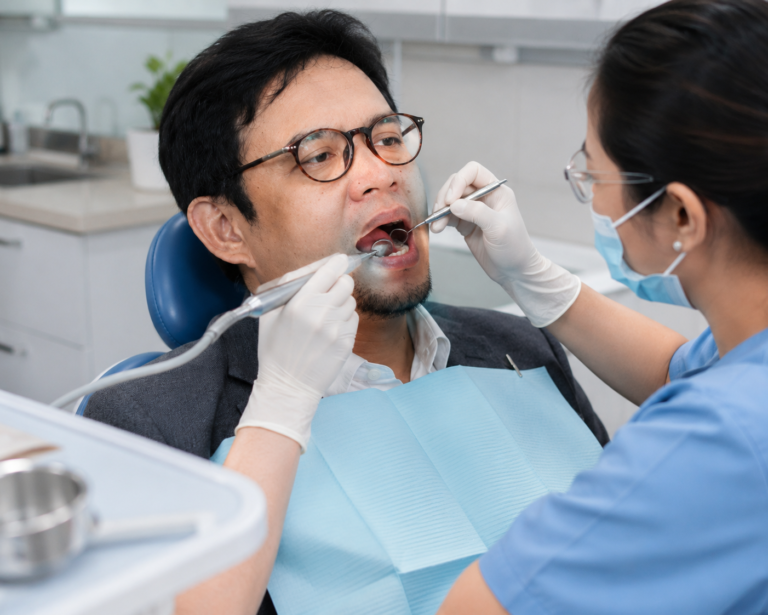
Professional cleanings remain an effective method for moderate or severe tartar buildup.
The treatment approach depends on the amount and location of the deposits. When hardened deposits extend below the gumline, treatment can become more complex.
Scaling and root planing may be recommended for some periodontal conditions. These procedures help remove deposits below the gumline and support healthier gum tissues.
Before scheduling treatment, readers can explore tartar removal cost, pricing factors, and treatment options.
🦷 Thinking About Trying Dental Pro 7?
Understanding the ingredients, proper usage, and safety information can help you make an informed decision before adding a new oral care product to your routine.
👉 View the Official Dental Pro 7 Information
Scaling
Dental hygienists use specialized instruments to remove hardened deposits above and below the gumline.
This may involve hand scalers or ultrasonic devices.
Polishing
After scaling, teeth are often polished to smooth the surfaces and support easier plaque control.
Deep Cleaning for Gum Disease
When tartar extends beneath the gums, dentists may recommend scaling and root planing.
This treatment helps reduce deposits and bacterial accumulation in deeper gum pockets.
Read the Professional Tartar Removal Procedure: Benefits and Safety guide for more information.
Why Can Tartar Return After Professional Cleaning?
Professional tartar removal clears hardened deposits from the teeth and helps create a cleaner surface for daily oral care. However, plaque can begin forming again soon after a cleaning. Saliva minerals may gradually harden this new plaque into tartar, especially around areas where buildup commonly develops.
Readers who notice deposits returning after a cleaning can learn more about tartar after teeth cleaning and the habits that may help reduce recurring buildup.
Daily Habits That Help Prevent Buildup
Long-term improvement usually comes from sustainable routines.
Many people find that small changes are easier to maintain than dramatic changes.
Improve Brushing Technique
Focus on coverage rather than pressure.
Brush gently along the gumline and reach the back molars. Consistent technique helps remove plaque from areas that commonly collect deposits.
Make Flossing a Daily Habit
Many buildup-prone areas develop between teeth where toothbrush bristles rarely reach.
Improving flossing consistency can help remove plaque from these spaces.
Support Healthy Saliva Flow
Saliva naturally helps rinse food particles and regulate the oral environment.
Staying hydrated throughout the day supports normal saliva function.
Schedule Regular Dental Cleanings
Preventive cleanings can identify and remove hardened deposits before they contribute to more advanced gum concerns.
People looking for supportive oral care products can also review the Dental Pro 7 Price Comparison Guide before choosing a package.
Botanical Ingredients and Long-Term Oral Care
Some consumers explore botanical oral care products as part of a broader daily hygiene routine.
Dental Pro 7 combines several plant-derived ingredients in a concentrated oral care formula.
The botanical blend includes ingredients associated with freshness, oral hygiene, and gum care.
For example, readers can explore Mentha arvensis herbal extract to learn more about this botanical ingredient and its cooling, refreshing role in oral care.
Another ingredient of interest is Punica granatum seed extract, which provides additional information about pomegranate seed and its naturally occurring compounds.
Readers can also explore Commiphora myrrha (myrrh) for more information about this traditional botanical ingredient and its role in natural oral care.
These ingredients can be considered within the context of the complete formula rather than individually.
Dental Pro 7 and the Gum Care Formula
The Dental Pro 7 Gum Formula provides a detailed explanation of the product’s botanical ingredients and their role in a daily oral hygiene routine.
The formula combines several plant-derived oils and extracts in a concentrated liquid.
Dental Pro 7 can complement brushing, flossing, hydration, and professional dental care.
Readers can review the full ingredient information before deciding whether the product fits their personal oral care routine.
Does Brushing Once a Day Increase Buildup?
For many people, consistent twice-daily brushing provides stronger plaque control than brushing only once a day.
Plaque forms throughout the day and night. Consistent cleaning reduces the time plaque remains on tooth surfaces.
More detailed information is available in Does Brushing Once a Day Cause Tartar Formation?.
Why Hardened Deposits Are More Difficult to Remove
Soft plaque and hardened tartar require different approaches.
Plaque remains relatively soft and can usually be disrupted with brushing and flossing.
Tartar becomes a mineralized layer that attaches more firmly to tooth surfaces.
Once deposits thicken near the gumline or between teeth, regular brushing may no longer remove them completely.
This is why professional cleaning remains an important part of long-term oral care.
Choosing Oral Care Products for Daily Plaque Control
Some people prefer botanical oral care products because they provide a plant-based approach to everyday hygiene.
Before choosing a product, consider the ingredient list, formulation, intended use, and available safety information.
Readers can review the Dental Pro 7 Scam or Legit guide for a balanced discussion of product expectations.
The Dental Pro 7 Side Effects and Safety Guide provides additional information about appropriate use and precautions.
Readers interested in a gentler formulation can also explore fluoride-free oral care and learn more about this approach to everyday oral hygiene.
The complete Dental Pro 7 ingredients guide provides additional information about the botanical blend.
Dental Pro 7 can complement established oral hygiene habits. Brushing, flossing, hydration, and professional dental care remain important foundations for long-term oral health.
Daily Habits That Support Cleaner Teeth
Recurring buildup often relates to everyday routines.
Busy schedules can make people skip flossing or shorten brushing sessions. Coffee consumption, low water intake, and frequent snacking can also influence the oral environment.
Small improvements can make daily care easier to maintain.
Useful habits include:
- Brush twice daily.
- Clean between teeth daily.
- Drink water regularly.
- Limit frequent sugary snacks.
- Clean the tongue.
- Schedule professional dental cleanings.
- Follow appropriate denture care instructions when applicable.
Consistency matters more than perfection.

When You Should See a Dentist
Professional evaluation is important when you notice:
- Persistent bleeding gums
- Dark deposits near the gumline
- Loose teeth
- Chronic bad breath
- Gum recession
- Pain while chewing
- Swollen gums
- Teeth that remain rough after brushing
Persistent symptoms may indicate an underlying dental condition.
Learn about Gum Disease Symptoms You Should Never Ignore for additional guidance.
The Bleeding Gums Treatment Guide also provides practical information for supporting healthier gums.
Long-Term Oral Health Outlook
Tartar prevention works best as part of a complete oral hygiene routine.
Daily brushing, flossing, hydration, professional cleanings, and appropriate oral care products can work together to support healthier teeth and gums.
For people who wear removable dentures, specialized denture cleaning remains equally important.
For readers interested in botanical oral care, Dental Pro 7 offers another option to explore alongside established hygiene practices.
👉 Explore Dental Pro 7 Officially
FAQ – Complete Tartar Removal Guide
Can tartar break off naturally?
Small pieces can occasionally loosen. Established tartar usually requires professional removal.
Is tartar permanent?
Tartar can be removed by a dental professional. Daily brushing and flossing help reduce the plaque that contributes to new buildup.
Why does tartar return after cleaning?
Plaque begins forming again after professional cleaning. Consistent daily hygiene helps control plaque and slow new mineralized buildup.
Can mouthwash dissolve tartar?
Mouthwash can support freshness and bacterial control. Professional cleaning remains the appropriate method for removing established tartar.
Does everyone develop tartar?
Many adults develop some tartar over time. The rate varies with oral hygiene, saliva composition, diet, lifestyle, and other factors.
Why does tartar return in the same areas?
Certain areas are harder to clean thoroughly. The lower front teeth and gumline are common locations because saliva and plaque can collect there.
Can tartar feel rough after brushing?
Yes. Hardened deposits can leave a rough texture that remains after regular brushing.
Can dentures develop tartar?
Yes. Dentures are exposed to food particles, bacteria, and saliva during daily use. Read our guide to tartar on dentures for practical denture-cleaning information.
Does Dental Pro 7 remove tartar?
Dental Pro 7 is designed as a complementary oral care product. Professional dental cleaning remains the appropriate method for removing established tartar.
About the Author — Dental Pro 7 Ingredients Editorial Team
The Dental Pro 7 Ingredients Editorial Team researches and publishes educational content focused on oral hygiene, gum wellness, plaque management, tartar prevention, and practical long-term dental care habits.
Our editorial process combines preventive dental guidance, oral health research, and practical hygiene information.
Articles are periodically reviewed and updated to improve clarity, usefulness, and alignment with current oral care information.
Disclaimer
The information provided in this article is intended for educational purposes. It does not replace an examination, diagnosis, or treatment from a licensed dentist or qualified healthcare professional.
People experiencing persistent bleeding gums, severe tartar buildup, tooth pain, loose teeth, swelling, or ongoing oral health concerns should seek professional dental care.
References to Dental Pro 7 and other oral care products are provided for informational purposes. These products complement daily brushing, flossing, routine dental examinations, and professional cleanings.



Manfaat dan keamanan perawatan gigi, khususnya membahas Plak karang gigi. Artikel atau keterangan diatas sangat profesional, detail, dan wawasan bertambah luas. Dari mulai pembersihan karang gigi sampai dengan cara merawat gigi, setelah pembersihan karang gigi dengan tepat.